
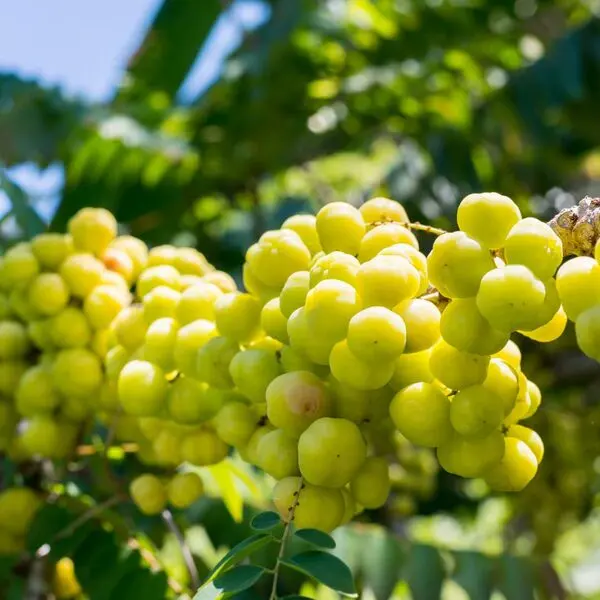
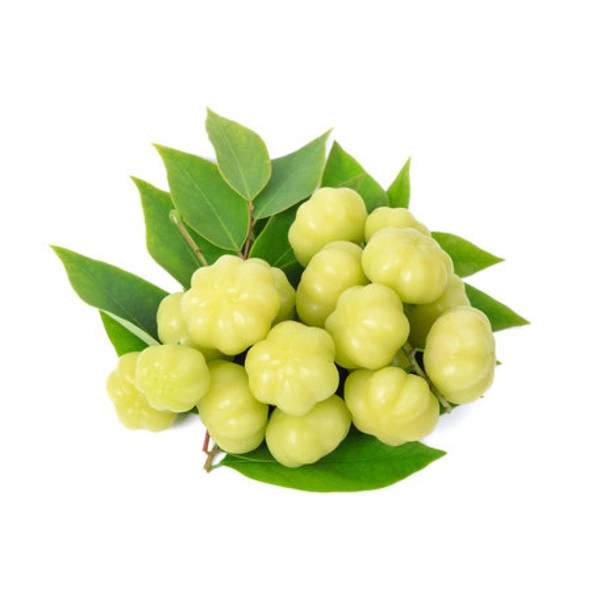
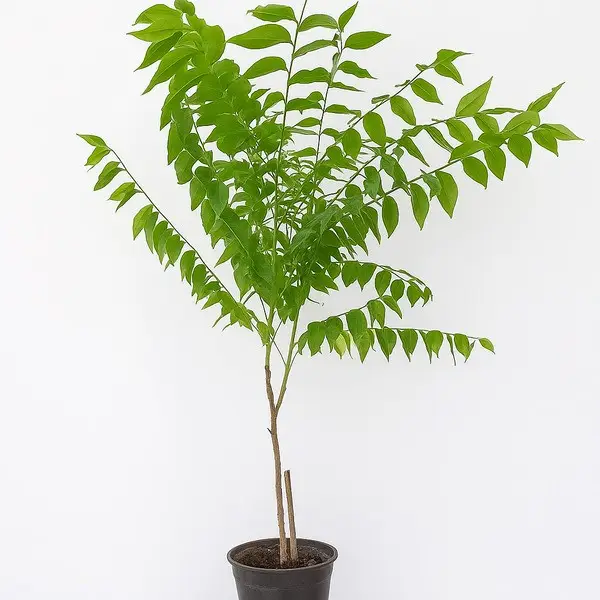
Phyllanthus Acidus, Ari Nellikka, Star Gooseberry
Original price was: ₹559.00.₹149.00Current price is: ₹149.00.
46 in stock
Size: Single Plant | 2.5″ Pot Included | Secure Packing
Phyllanthus acidus, also known as star gooseberry or Otaheite gooseberry, is a small tropical tree prized for its edible, tart fruits. It is a relatively low-maintenance plant, but providing the right conditions will ensure a healthy and productive tree.
Here’s a guide to the care of Phyllanthus Acidus, Ari Nellikka, Star Gooseberry:
Light
- Full to Partial Sun: The plant thrives in full sun, receiving at least 6-8 hours of direct sunlight per day. It can tolerate some partial shade, but too little light may lead to stunted growth and reduced fruit production.
Water
- Regular Watering: Star gooseberry prefers a consistently moist environment, so regular watering is essential, especially during dry periods.
- Avoid Overwatering: While it likes moisture, the soil should be well-drained to prevent waterlogging, which can lead to root rot. Allow the soil to dry out slightly between waterings.
- Frequency: A good watering schedule is once every 1-2 weeks, but this can vary depending on your climate and whether the plant is in a pot or the ground. In very hot, dry climates, you may need to water more frequently.
Soil
- Well-Drained and Rich: This tree thrives in well-drained, fertile soil. A loamy soil with a mix of organic matter is ideal.
- pH: The optimal soil pH is slightly acidic to neutral, in the range of 6.0-7.0.
Temperature and Humidity
- Tropical Climate: Phyllanthus acidus is a tropical plant and grows best in warm, humid climates.
- Temperature Tolerance: It is resilient and can tolerate temperatures from () to (). However, it prefers a temperature range of ().
- Protect from Frost: Young plants, in particular, should be protected from extreme cold and frost, which can cause leaf drop or wilting.
Fertilization
- During Growing Season: Fertilize the plant every 4-6 weeks during the growing season to promote healthy growth and fruit production.
- Type: A balanced fertilizer with a 10-10-10 N-P-K ratio is suitable. Organic compost or well-rotted cow dung is also an excellent option.
Pruning
- Purpose: Regular pruning helps to maintain the tree’s shape, improve air circulation, and encourage new growth.
- When to Prune: The best time to prune is during the dormant season or after the fruiting period. Remove any dead, damaged, or overlapping branches.
- Benefits: Pruning can make harvesting easier and help to prevent disease problems.
Pests and Diseases
- Phyllanthus acidus is generally resistant to most pests. However, keep an eye out for common pests like aphids, spider mites, and mealybugs.
- If a pest problem arises, you can treat the plant with an organic insecticide, such as diluted neem oil spray.
Other Tips
- Mulch: Mulching around the base of the tree helps to retain soil moisture and suppress weeds. Keep the mulch a few inches away from the trunk to prevent rot.
- Container Growing: If you are growing the plant in a pot, choose a large container with good drainage. Repot the plant every 2-3 years or when it outgrows its current container.
- Fruiting: A grafted tree will typically start bearing fruit in 2-3 years, while a seedling-grown tree may take 6-8 years.
You must be logged in to post a review.
Related products
-
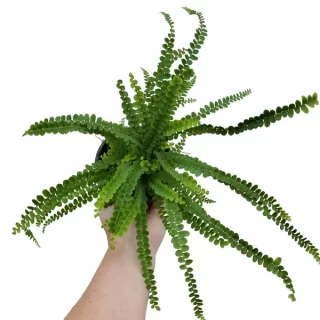
Lemon Button Fern Plant
Original price was: ₹539.00.₹179.00Current price is: ₹179.00.Add to cartSelling Size: Single plant | 2.5″ Pot Included The Lemon Button Fern (Nephrolepis cordifolia ‘Duffii’) is a popular and relatively easy-to-care-for fern. It’s known for its compact, arching fronds with small, button-like leaves and a subtle, lemony scent when you brush against them. Unlike some ferns, it’s a bit more forgiving of indoor conditions, making …
-
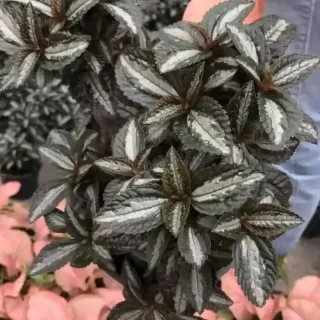
Pilea involucrata ‘Norfolk’ – Friendship Plant
Original price was: ₹450.00.₹199.00Current price is: ₹199.00.Add to cartSize: Single Plant | 2.5″ Pot Included | Free Shipping The Pilea involucrata ‘Norfolk’, commonly known as the Friendship Plant, is a delightful houseplant celebrated for its unique, velvety, quilted foliage. The leaves have a rich texture and a beautiful color palette, with deep green and bronze tones on the upper surface and a reddish-purple …
-
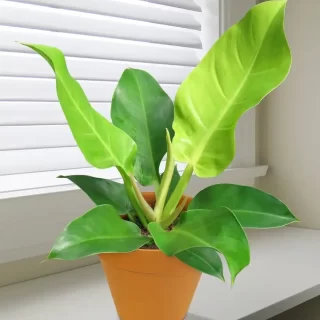
Philodendron Moonshine
Original price was: ₹1,250.00.₹249.00Current price is: ₹249.00.Add to cartSelling size: Single plant | Pot included | Secure Packing The Philodendron Moonshine (often also called ‘Moonlight’) is a popular hybrid known for its vibrant, almost glowing, chartreuse-colored leaves. It has an upright, self-heading growth habit, so unlike many vining philodendrons, it doesn’t need a trellis or pole. Here is a comprehensive guide to caring …
-
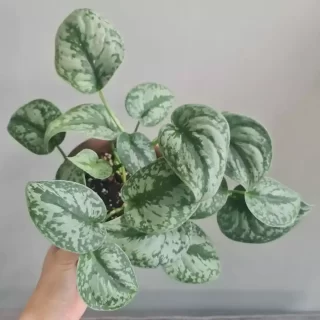
Scindapsus Pictus Exotica
Original price was: ₹380.00.₹99.00Current price is: ₹99.00.Add to cartSelling size: Single Plant | 2.5″ Pot Included The Scindapsus Pictus Exotica, also known as the silver pothos, is a houseplant with large, dark green leaves that have silver spots and mottling. Here’s a guide to caring for your Scindapsus pictus Exotica plant: Light: Prefers bright, indirect light. An east or west-facing window that’s about …
-
String Of Nickels (Dischidia nummularia)
Price range: ₹99.00 through ₹599.00Select options This product has multiple variants. The options may be chosen on the product pageSelling size: Well rooted plant in a Jiffy bag The Dischidia nummularia, commonly known as the String of Nickels or Button Orchid, is a delightful and easy-to-care-for trailing epiphyte. Its common name comes from its small, round, coin-shaped leaves that densely cover its long, slender stems. As a relative of the Hoya, it shares a similar …
-
Black zz plant, Raven ZZ Plant
Price range: ₹99.00 through ₹499.00Select options This product has multiple variants. The options may be chosen on the product pageSelling size: Please Choose (Single – Bushy) | 2.5″-5” Pot Included | Secure Packing The Black ZZ Plant, or Raven ZZ Plant (Zamioculcas zamiifolia ‘Raven’), is a popular, exceptionally resilient houseplant known for its striking, nearly black foliage. It shares the easy-care nature of the standard green ZZ plant, making it perfect for beginners or …



 If you need any assistance, I'm always here. Have you found what you were looking for?
Reviews
There are no reviews yet.