
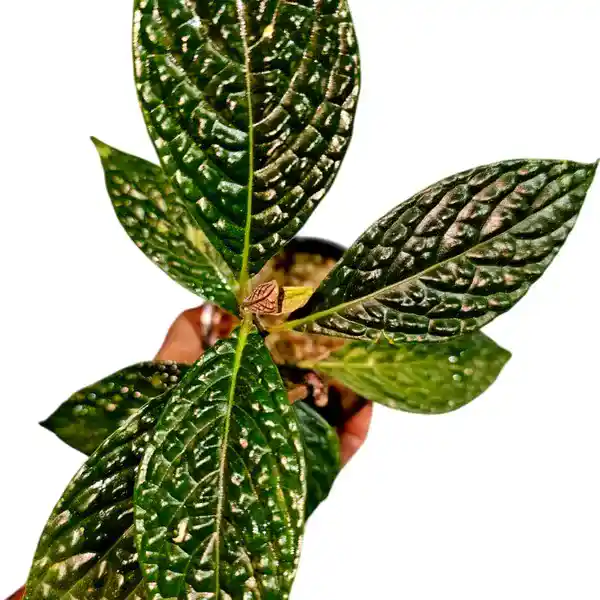
Ardisia odontyphyllia
Original price was: ₹3,499.00.₹2,199.00Current price is: ₹2,199.00.
5 in stock
Selling Size : Single Plant | Pot Included | Secure Packing | Free Shipping
Ardisia odontyphyllia is a species within the genus Ardisia, a group of plants often grown for their attractive foliage and berries. Like its relative, the well-known Coral Berry (Ardisia crenata), it thrives in conditions that mimic its native tropical and subtropical habitats.
Here is a care guide for Ardisia odontyphyllia:
1. Light:
- Bright, indirect light is best. This plant prefers to be out of the direct sun, which can scorch its leaves, especially during the hottest parts of the day.
- A spot near an east-facing window is ideal. You can also place it a few feet away from a south or west-facing window.
- It can tolerate lower light, but this may result in slower growth and a less dense, “leggy” appearance.
2. Watering:
- Keep the soil consistently moist, but never soggy.
- A good practice is to water thoroughly when the top inch of soil feels dry to the touch.
- Do not let the plant sit in standing water, as this is the most common cause of root rot.
- Ensure the pot has a drainage hole to allow excess water to escape.
3. Humidity and Temperature:
- Ardisia odontyphyllia appreciates higher humidity levels, ideally between 50-70%.
- If your home has dry air, you can increase humidity by using a humidifier, a pebble tray with water, or by grouping the plant with other plants.
- The ideal temperature range is between 65°F and 80°F ( to ).
- Protect it from cold drafts and sudden temperature fluctuations.
4. Soil:
- Use a well-draining, rich, and slightly acidic potting mix.
- A mix containing peat moss, perlite, and regular potting soil works well. The perlite or pumice helps with drainage and aeration, which is crucial for preventing root rot.
5. Fertilizer:
- During the growing season (spring through early fall), you can fertilize the plant monthly with a diluted, balanced, water-soluble fertilizer.
- Use it at about half the recommended strength to avoid over-fertilizing.
- Reduce or stop fertilizing during the winter when the plant’s growth naturally slows down.
6. Pruning and Maintenance:
- This plant doesn’t require extensive pruning.
- You can trim it back in the spring to maintain its shape or to encourage a bushier growth habit.
- Remove any dead or yellowing leaves to keep the plant healthy and tidy.
7. Other Considerations:
- Toxicity: While the berries of some Ardisia species, like Ardisia crenata, are considered toxic if ingested, information specifically for Ardisia odontyphyllia is less common. It is always safest to assume the plant is toxic and keep it away from pets and children.
- Repotting: Repot your Ardisia every 1-3 years or when you notice it becoming root-bound. Choose a new pot that is only one size larger than the old one.
You must be logged in to post a review.
Related products
-
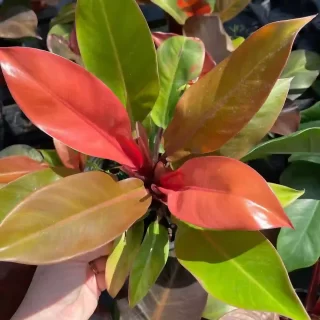
Philodendron ‘Prince of Orange’
Price range: ₹199.00 through ₹620.00Select options This product has multiple variants. The options may be chosen on the product pageSelling Size : Single Plant | Pot Included | Secure Packing The Philodendron ‘Prince of Orange’ is a stunning and popular hybrid known for its vibrant, ever-changing leaf colors. New leaves emerge as a brilliant orange or coppery color, and as they mature, they transition to a lime green, then a deep, glossy green. It …
-
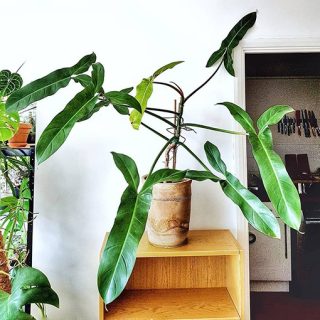
Philodendron Mexicanum
Original price was: ₹1,090.00.₹749.00Current price is: ₹749.00.Add to cartSelling size: Single Plant | Pot included The Philodendron mexicanum is a beautiful vining plant known for its long, arrow-shaped leaves with a striking deep maroon or reddish underside. As its name suggests, it is native to the tropical forests of Mexico. It’s a relatively easy-to-care-for plant, especially for those familiar with other vining philodendrons. …
-
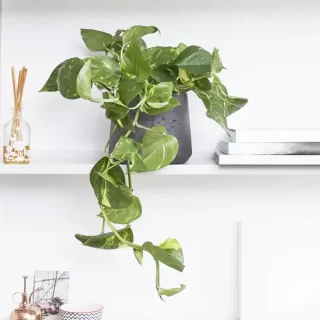
Golden Pothos
Original price was: ₹355.00.₹99.00Current price is: ₹99.00.Add to cartSelling size : Well rooted plant | 2.5″ pot included The Golden Pothos (Epipremnum aureum), also known as Devil’s Ivy, is one of the most popular and easiest houseplants to care for, making it an excellent choice for beginners. It’s a vining plant with heart-shaped leaves that are a vibrant green, often with splashes or …
-
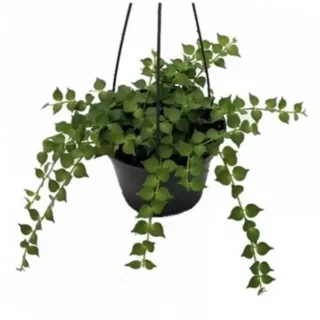
Dischidia Ruscifolia (Million Hearts)
Price range: ₹199.00 through ₹499.00Select options This product has multiple variants. The options may be chosen on the product pagePlant Size: Single plant | 2.5″-6″ Pot Included The Dischidia Ruscifolia (Million Hearts), commonly known as the Million Hearts plant, is a delightful and easy-to-care-for trailing epiphyte. Its name comes from the abundance of small, heart-shaped leaves that densely cover its slender stems. As a member of the same family as Hoyas, its care …
-
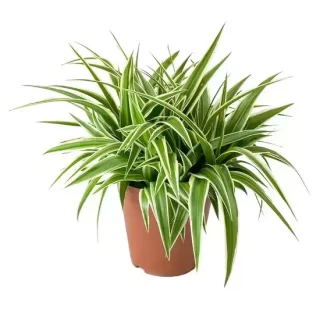
Chlorophytum Spider Live Plant
Original price was: ₹249.00.₹99.00Current price is: ₹99.00.Add to cartSelling size: Well rooted Single plant | 2.5″ Pot included Chlorophytum Spider, also the Spider Plant is an impressive houseplant which is the perfect plant for any beginner. A NASA certified air purifier, its long, green foliage with white variegations look good in both hanging planters and as desktop setups. In favourable conditions, it blooms …
-
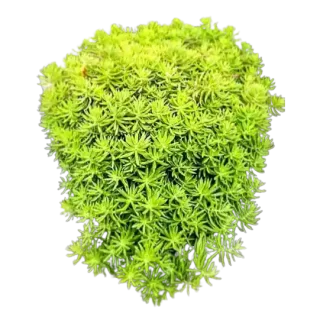
Golden Sedum Plant
Original price was: ₹549.00.₹349.00Current price is: ₹349.00.Add to cartSelling size: Well rooted plan | 2.5″ pot included The Golden Sedum (Sedum adolphii) is a popular succulent known for its bright, fleshy, evergreen leaves that can take on a beautiful golden-yellow or even reddish-pink tint in bright sun. It has a trailing or spreading growth habit, making it a great choice for hanging baskets, …
-
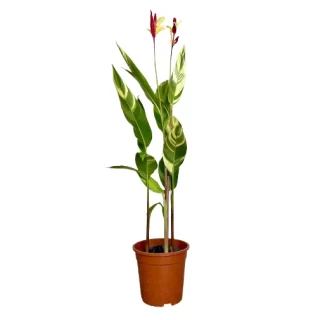
Heliconia Variegated – Super Rare
Original price was: ₹2,599.00.₹1,099.00Current price is: ₹1,099.00.Add to cartPlant size: Single plant | Pot Included | Free shipping The Variegated Heliconia (often a cultivar of Heliconia psittacorum, like ‘Lady Di’ or ‘Golden Torch’) is a striking tropical plant known for its banana-like leaves splashed with stripes of cream, yellow, or white. It is a demanding plant, requiring specific tropical conditions to thrive, especially …
-
Spanish Moss Air Plant
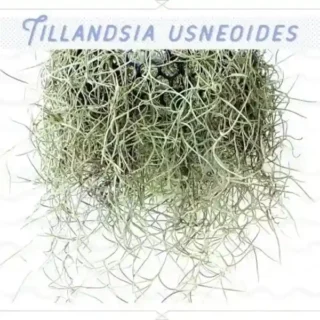
Price range: ₹49.00 through ₹1,699.00Select options This product has multiple variants. The options may be chosen on the product pageSelling size: PLEASE CHOOSE Spanish Moss Air Plant – CARE INSTRUCTIONS Scientific name: Tillandsia usneoides Synonyms: Old man’s beard, Spanish Moss, French Hair, Spanish Beard Spanish Moss is a delicate silvery-grey air plant that is often used to hang in trees or as a gorgeous decor piece without the need for soil. Despite its name, Spanish Moss …
 If you need any assistance, I'm always here. Have you found what you were looking for?
Reviews
There are no reviews yet.