

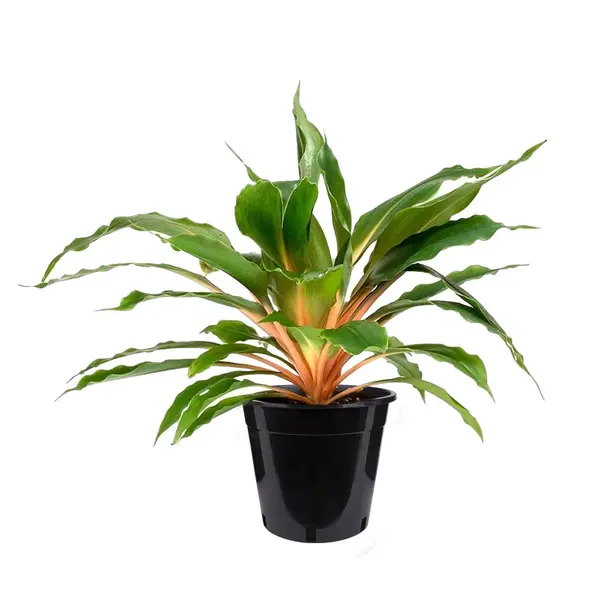

Chlorophytum Fire Flash
Original price was: ₹1,299.00.₹749.00Current price is: ₹749.00.
Selling size : Single Plant | Pot Included | Secure Pcking
The Chlorophytum Fire Flash, also known as the Orange Spider Plant or Chlorophytum orchidastrum, is a unique and attractive houseplant. Unlike the common spider plant, it doesn’t produce “pups” on long stolons. Instead, it forms a central rosette of shiny, dark green leaves with vibrant, fiery orange petioles (leaf stems) and midribs, creating a stunning visual effect.
Here’s how to care for your Chlorophytum Fire Flash to keep it happy and healthy:
Light
- Bright, indirect light is ideal. This is the most important factor for maintaining the vibrant orange color. In low light, the orange will fade and the leaves may become a duller green.
- Avoid direct sun, especially harsh afternoon sun, which can scorch the leaves. An east-facing window is often perfect, or a few feet away from a south-facing window.
- Rotate the plant every so often to ensure even growth and color on all sides.
Watering
- Water when the top 1-2 inches of soil feel dry. The ‘Fire Flash’ prefers to be consistently moist but is susceptible to root rot if overwatered.
- Ensure the pot has good drainage holes. This is crucial to prevent the plant from sitting in water.
- Use filtered or distilled water if possible. Like many spider plants, the ‘Fire Flash’ can be sensitive to chemicals like fluoride in tap water, which can cause brown tips on the leaves.
- Reduce watering in the winter when the plant’s growth slows down.
Soil
- Use a well-draining, organically rich potting mix. A standard houseplant mix with added perlite or cocopeat works well to provide both drainage and some moisture retention.
- Repot every couple of years or when the plant becomes root-bound.
Humidity and Temperature
- Average room humidity is acceptable, but it prefers higher humidity. As a tropical plant, it will appreciate a more humid environment.
- If your air is dry, especially in the winter, you can increase humidity by:
- Using a humidifier.
- Placing the pot on a pebble tray with water.
- Grouping it with other plants.
- Maintain warm temperatures, ideally between 65-85°F (18-29°C).
- Protect it from cold drafts. Sudden temperature drops can be harmful.
Fertilization
- Feed during the active growing season (spring and summer) about once a month.
- Use a balanced liquid fertilizer diluted to half-strength.
- Avoid over-fertilizing, as this can also lead to brown leaf tips. Stop fertilizing in the fall and winter.
Common Problems and Solutions
- Brown leaf tips: This is a very common issue. It can be caused by low humidity, over-fertilizing, or a buildup of minerals (fluoride, chlorine) from tap water. Using distilled or rainwater can help, as can increasing humidity.
- Yellowing leaves: This is often a sign of overwatering or poor drainage. Ensure the soil is not soggy and the pot has proper drainage. It can also be caused by insufficient light.
- Dull orange color: The vibrant orange color is dependent on good, bright, indirect light. Move the plant to a brighter location to restore the color.
Toxicity
- The ‘Fire Flash’ is considered non-toxic to cats and dogs, according to the ASPCA. It’s still not meant for consumption, but it’s a good choice for pet owners.
You must be logged in to post a review.
Related products
-
String Of Nickels (Dischidia nummularia)
Price range: ₹99.00 through ₹599.00Select options This product has multiple variants. The options may be chosen on the product pageSelling size: Well rooted plant in a Jiffy bag The Dischidia nummularia, commonly known as the String of Nickels or Button Orchid, is a delightful and easy-to-care-for trailing epiphyte. Its common name comes from its small, round, coin-shaped leaves that densely cover its long, slender stems. As a relative of the Hoya, it shares a similar …
-
Dischidia Oiantha plant
Price range: ₹99.00 through ₹599.00Select options This product has multiple variants. The options may be chosen on the product pagePlant Size: Single plant | Secure Packing The Dischidia oiantha, often referred to as a “Hoya cousin,” is a charming, easy-to-care-for epiphyte with trailing vines and small, oval, succulent-like leaves. It’s a great choice for hanging baskets or for adding a touch of whimsy to a shelf. Here is a comprehensive guide to caring for …
-
Scindapsus Pictus Exotica
Original price was: ₹380.00.₹99.00Current price is: ₹99.00.Add to cartSelling size: Single Plant | 2.5″ Pot Included The Scindapsus Pictus Exotica, also known as the silver pothos, is a houseplant with large, dark green leaves that have silver spots and mottling. Here’s a guide to caring for your Scindapsus pictus Exotica plant: Light: Prefers bright, indirect light. An east or west-facing window that’s about …
-
String of Bananas
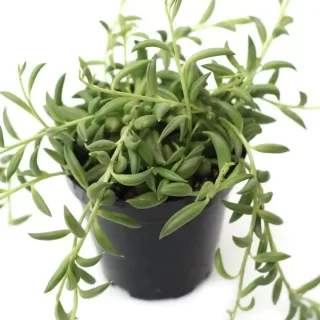
Original price was: ₹450.00.₹249.00Current price is: ₹249.00.Add to cartSelling size: Mentioned in last Picture | Secure Packing The String of Bananas (Curio radicans or Senecio radicans) is a charming trailing succulent known for its long, cascading stems covered in plump, banana-shaped leaves. It’s a popular choice for hanging baskets and is generally easy to care for, especially for those who are new …
-
Black zz plant, Raven ZZ Plant
Price range: ₹99.00 through ₹499.00Select options This product has multiple variants. The options may be chosen on the product pageSelling size: Please Choose (Single – Bushy) | 2.5″-5” Pot Included | Secure Packing The Black ZZ Plant, or Raven ZZ Plant (Zamioculcas zamiifolia ‘Raven’), is a popular, exceptionally resilient houseplant known for its striking, nearly black foliage. It shares the easy-care nature of the standard green ZZ plant, making it perfect for beginners or …
-
Golden Sedum Plant
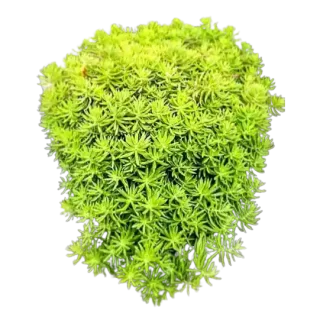
Original price was: ₹549.00.₹349.00Current price is: ₹349.00.Add to cartSelling size: Well rooted plan | 2.5″ pot included The Golden Sedum (Sedum adolphii) is a popular succulent known for its bright, fleshy, evergreen leaves that can take on a beautiful golden-yellow or even reddish-pink tint in bright sun. It has a trailing or spreading growth habit, making it a great choice for hanging baskets, …
-
Philodendron Mexicanum
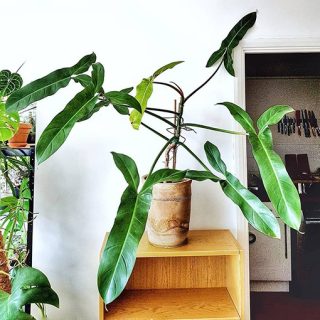
Original price was: ₹1,090.00.₹749.00Current price is: ₹749.00.Add to cartSelling size: Single Plant | Pot included The Philodendron mexicanum is a beautiful vining plant known for its long, arrow-shaped leaves with a striking deep maroon or reddish underside. As its name suggests, it is native to the tropical forests of Mexico. It’s a relatively easy-to-care-for plant, especially for those familiar with other vining philodendrons. …
-
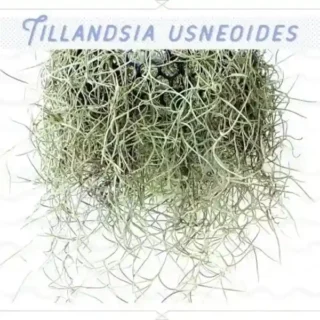
Spanish Moss Air Plant
Price range: ₹49.00 through ₹1,699.00Select options This product has multiple variants. The options may be chosen on the product pageSelling size: PLEASE CHOOSE Spanish Moss Air Plant – CARE INSTRUCTIONS Scientific name: Tillandsia usneoides Synonyms: Old man’s beard, Spanish Moss, French Hair, Spanish Beard Spanish Moss is a delicate silvery-grey air plant that is often used to hang in trees or as a gorgeous decor piece without the need for soil. Despite its name, Spanish Moss …




 If you need any assistance, I'm always here. Have you found what you were looking for?
Reviews
There are no reviews yet.