
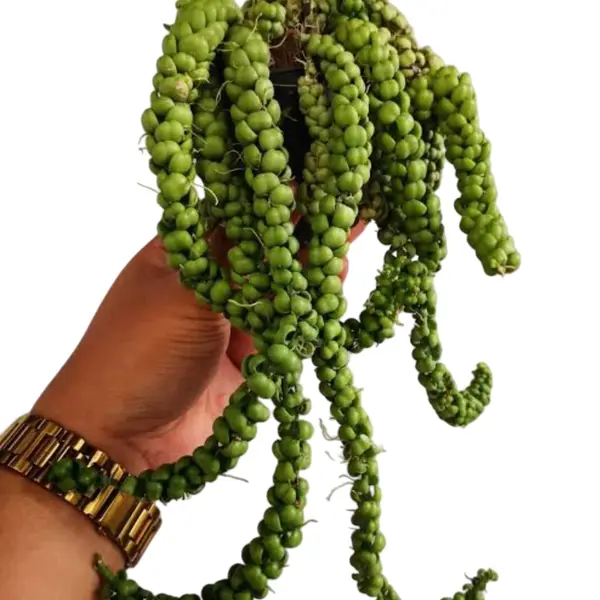
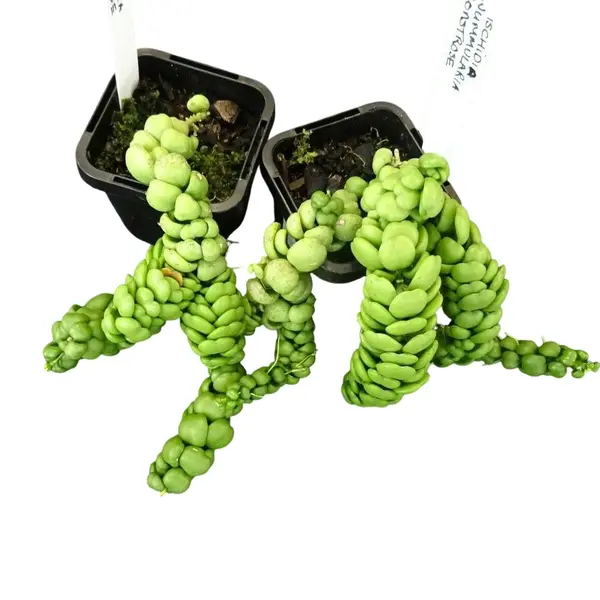
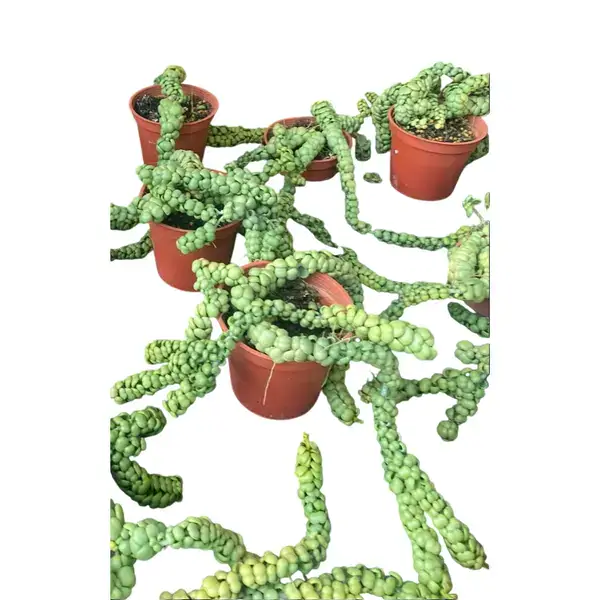
Dischidia Dragon Jade
Price range: ₹199.00 through ₹549.00
Selling Size : Please Choose | Pot Included | Secure Packing
Dischidia ‘Dragon Jade’ (also known as Dischidia Nummularia ‘Dragon Jade’) is an epiphytic succulent plant, meaning it naturally grows on other plants or supports in its tropical Asian
habitat, rather than in soil. This influences its care requirements.
Here’s a breakdown of how to care for your Dischidia Dragon Jade:
Light:
- Bright, indirect light is ideal. This mimics its natural environment where it grows under the canopy of trees.
- It can tolerate some direct morning or late afternoon sun, but avoid intense direct sunlight, as this can cause the leaves to bleach or yellow, and even sunburn.
- Low light conditions can lead to leggy and sparse growth.
Watering:
- Moderate watering is key. Allow the soil or substrate to dry out almost completely between waterings.
- Avoid overwatering at all costs, as this is the number one cause of root rot, which can kill the plant. It’s better to underwater than overwater.
- During the growing season (spring and summer), water more frequently, perhaps once a week, making sure the substrate dries out between waterings.
- In winter, reduce watering significantly, perhaps to about once a month, as the plant’s growth slows.
- As an epiphyte, it also appreciates higher levels of humidity. Misting the leaves frequently (several times a week, or even daily in dry environments) can be beneficial, especially if grown in a typical indoor household environment. Some sources suggest a minimum of 60% humidity.
Soil/Substrate:
- Since Dischidia are epiphytes, they do not thrive in standard potting soil.
- They require a well-draining, airy mixture that mimics their natural growing conditions on tree trunks or branches.
- Orchid bark mix is an excellent option. Other suitable components include chunks of shredded bark, coconut husks, perlite, or vermiculite.
- If you are growing it in a pot, ensure the container has excellent drainage holes. Terracotta pots can also aid in better airflow and moisture regulation.
Temperature:
- Dischidia Dragon Jade prefers warm temperatures, generally ranging from 18°C to 24°C (65°F to 75°F).
- They are intolerant to cold temperatures and frost, and should not be kept below 10°C (50°F) for prolonged periods.
- Avoid placing them in drafty areas or near heat sources that can cause temperature fluctuations.
Humidity:
- As mentioned under watering, Dischidia Dragon Jade appreciates high humidity, preferably 60% or more.
- If your indoor air is dry, mist the leaves regularly or consider placing the plant near a humidifier.
Fertilizer:
- Dischidia Dragon Jade does not require frequent fertilization.
- If you choose to fertilize, do so once a month during the spring and summer (growing season) with a diluted liquid fertilizer.
- Withhold fertilizer during the colder winter months.
Propagation:
- Dischidia Dragon Jade can be propagated from stem cuttings or leaf cuttings.
- For stem cuttings: Take a healthy stem section (2-3 inches long), allow the cut end to “callus” or dry out for a few days to prevent rot, and then plant it in sphagnum moss or a well-aerated potting mix. Rooting hormone can aid development. Keep the substrate moist but not soggy, and provide indirect light.
- For leaf cuttings: Gently twist off a healthy leaf, ensuring the entire leaf is removed. Allow the cut end to dry out for several days. Dip in rooting hormone (optional), and then place the leaf on top of a moist, well-draining substrate (like a mix of soil and perlite/vermiculite), ensuring the cut end is in contact with the soil. Mist occasionally to keep the soil moist. Roots and new plantlets should emerge from the base of the leaf.
Repotting:
- Dischidia Dragon Jade does not require frequent repotting.
- You can repot it every 2-3 years to refresh the substrate and provide more space for growth if needed.
- When repotting, be gentle to avoid damaging the roots.
Common Problems:
- Mushy or yellow leaves: This is a strong indicator of overwatering and potential root rot. Allow the substrate to dry out thoroughly between waterings.
- Drooping, wrinkled, or shriveled leaves: This suggests underwatering. Give the plant a good soak.
- Leaf drop or etiolation (leggy, sparse growth): Often caused by insufficient light. Move the plant to a brighter, indirect light location.
- Brown leaves or dark spots: Can be due to sunburn from too much direct sun. Move the plant to a shadier spot. Also can be from too many salts in the water.
- Pests: While generally resilient, they can occasionally be affected by mealybugs, scale insects, or spider mites. Treat promptly with insecticidal soap or neem oil.
Additional Tips:
- As the plant grows, its stems are flexible when young and can benefit from climbing support. As they mature, the stems become stiffer, so avoid handling them too much.
- Regular pruning can help maintain its shape and appearance, and also improve airflow and light penetration.
- Dischidia Dragon Jade is generally non-toxic to humans and pets, making it a safe choice for homes.
| Size |
|---|
You must be logged in to post a review.
Related products
-
Philodendron Moonshine
Original price was: ₹1,250.00.₹249.00Current price is: ₹249.00.Add to cartSelling size: Single plant | Pot included | Secure Packing The Philodendron Moonshine (often also called ‘Moonlight’) is a popular hybrid known for its vibrant, almost glowing, chartreuse-colored leaves. It has an upright, self-heading growth habit, so unlike many vining philodendrons, it doesn’t need a trellis or pole. Here is a comprehensive guide to caring …
-
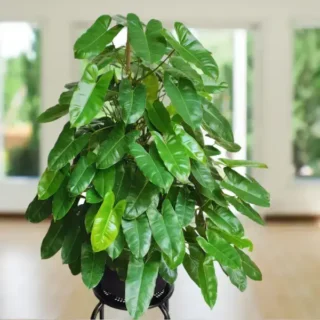
Philodendron Burle Marx Plant
Original price was: ₹485.00.₹149.00Current price is: ₹149.00.Add to cartSelling size: Single plant | Pot Included | Secure Packing The Philodendron Burle Marx is a fantastic and relatively easy-to-care-for plant, known for its glossy, spade-shaped leaves and dense, clumping growth. It’s often recommended as a great choice for beginner houseplant owners. Here is a comprehensive care guide for your Philodendron Burle Marx: Light …
-
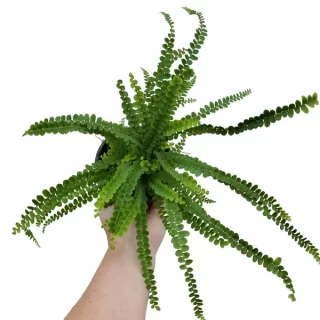
Lemon Button Fern Plant
Original price was: ₹539.00.₹179.00Current price is: ₹179.00.Add to cartSelling Size: Single plant | 2.5″ Pot Included The Lemon Button Fern (Nephrolepis cordifolia ‘Duffii’) is a popular and relatively easy-to-care-for fern. It’s known for its compact, arching fronds with small, button-like leaves and a subtle, lemony scent when you brush against them. Unlike some ferns, it’s a bit more forgiving of indoor conditions, making …
-
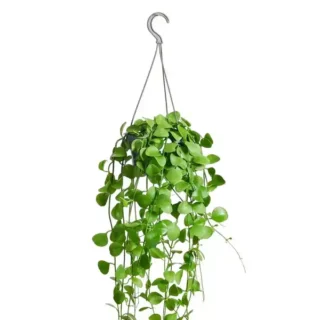
Dischidia Oiantha plant
Price range: ₹99.00 through ₹599.00Select options This product has multiple variants. The options may be chosen on the product pagePlant Size: Single plant | Secure Packing The Dischidia oiantha, often referred to as a “Hoya cousin,” is a charming, easy-to-care-for epiphyte with trailing vines and small, oval, succulent-like leaves. It’s a great choice for hanging baskets or for adding a touch of whimsy to a shelf. Here is a comprehensive guide to caring for …
-
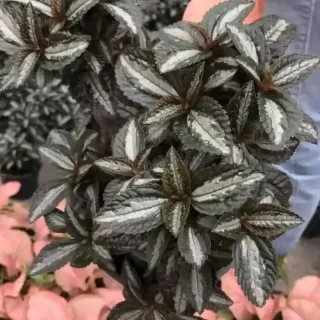
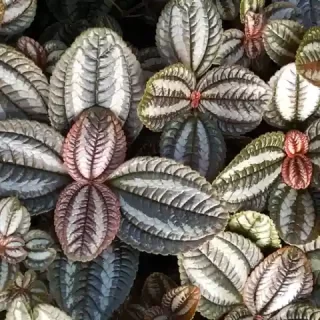
Pilea involucrata ‘Norfolk’ – Friendship Plant
Original price was: ₹450.00.₹199.00Current price is: ₹199.00.Add to cartSize: Single Plant | 2.5″ Pot Included | Free Shipping The Pilea involucrata ‘Norfolk’, commonly known as the Friendship Plant, is a delightful houseplant celebrated for its unique, velvety, quilted foliage. The leaves have a rich texture and a beautiful color palette, with deep green and bronze tones on the upper surface and a reddish-purple …
-
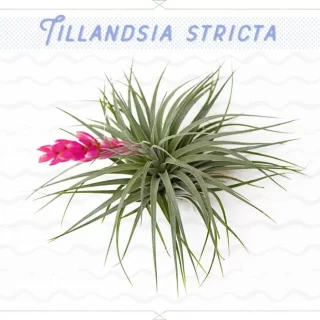
Tillandsia Stricta (Air plant)
Original price was: ₹400.00.₹199.00Current price is: ₹199.00.Add to cartSelling size: Single plant | Secure Packing The Tillandsia Stricta (Air plant) is one of the most popular and adaptable species of air plants, known for its soft, green-silver foliage and beautiful blooms. Like all air plants, it is epiphytic, meaning it absorbs all its water and nutrients through its leaves from the air, not …
-
Black zz plant, Raven ZZ Plant
Price range: ₹99.00 through ₹499.00Select options This product has multiple variants. The options may be chosen on the product pageSelling size: Please Choose (Single – Bushy) | 2.5″-5” Pot Included | Secure Packing The Black ZZ Plant, or Raven ZZ Plant (Zamioculcas zamiifolia ‘Raven’), is a popular, exceptionally resilient houseplant known for its striking, nearly black foliage. It shares the easy-care nature of the standard green ZZ plant, making it perfect for beginners or …

 If you need any assistance, I'm always here. Have you found what you were looking for?
Reviews
There are no reviews yet.