
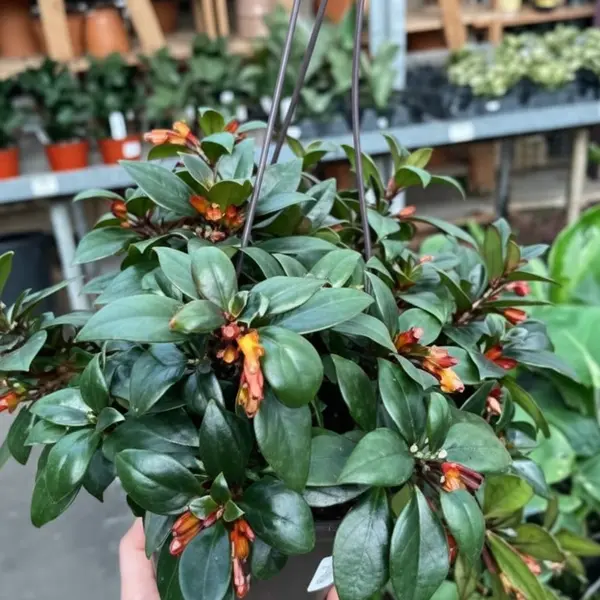
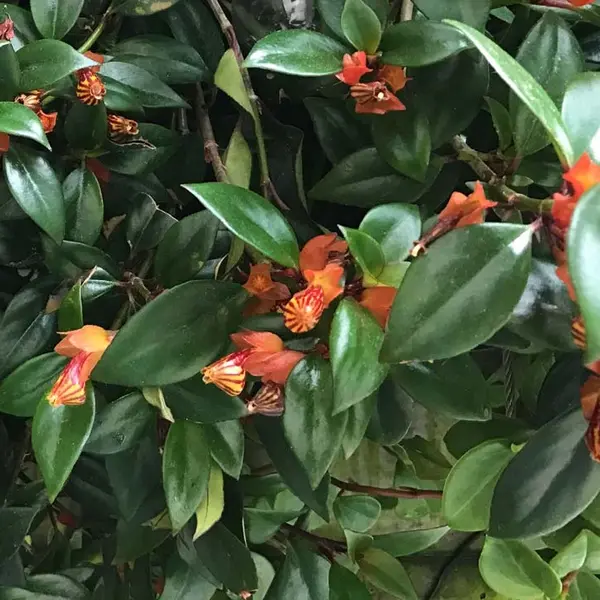
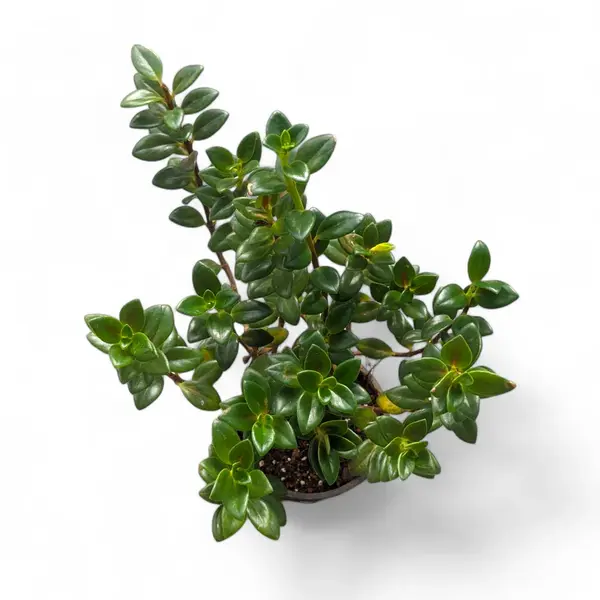
Goldfish Plant ( Nematanthus Tropicana )
Original price was: ₹899.00.₹449.00Current price is: ₹449.00.
Selling Size :Last Image | Pot Included | Secure Packing
The Goldfish Plant ( Nematanthus Tropicana ),commonly known as the Goldfish Plant, is a popular houseplant due to its unique, fish-shaped flowers and relatively easy care.
Here’s a comprehensive guide care to Goldfish Plant ( Nematanthus Tropicana ) :
1. Light:
- Bright, indirect light is ideal. A spot near an east or north-facing window is perfect.
- Avoid direct sunlight, especially during hot afternoon hours, as it can scorch the leaves.
- Too little light can lead to leggy growth and prevent blooming. If natural light is limited, consider a grow light, especially in winter.
2. Soil:
- Use a well-draining, peat-based potting mix.
- A good mix might include ingredients like perlite or vermiculite to ensure adequate drainage and aeration.
- Being epiphytic in nature, they prefer a coarser, lighter soil. African violet soil or a mix designed for tropical plants or orchids can also work well.
- Ensure the pot has plenty of drainage holes to prevent root rot.
3. Watering:
- Keep the soil consistently moist but not waterlogged.
- Water when the top 1-2 inches of soil feel dry to the touch.
- During the growing season (spring and summer), water generously.
- Reduce watering in the fall and winter when the plant’s growth slows, allowing the soil to dry out slightly between waterings, but never completely.
- Use room-temperature water to avoid shocking the roots.
- Avoid watering the leaves directly, as this can lead to fungal problems. Always empty any excess water from the saucer.
4. Humidity:
- Goldfish Plants flourish in high-humidity environments.
- If your home is dry, especially in winter, use a humidifier or place the plant on a humidity tray (a tray filled with pebbles and water, with the pot sitting on top of the pebbles, not in the water).
- While some sources suggest misting, it’s generally best to avoid misting the leaves directly to prevent fungal issues. Focus on increasing ambient humidity.
5. Temperature:
- This plant thrives in warm conditions, ideally between to ( to ).
- It’s sensitive to cold drafts and temperatures below (), which can cause leaf drop and other stress-related issues. Keep it away from cold windows or air conditioners.
6. Fertilizing:
- Feed your Goldfish Plant every two weeks during the growing season (spring and summer) with a balanced liquid fertilizer diluted to half strength.
- Reduce feeding to once a month during the dormant period in the fall and winter, or stop altogether.
- A phosphorus-rich fertilizer can encourage more blooms.
7. Pruning:
- Regular pruning helps maintain a bushy and attractive shape and encourages more flowers.
- After the plant finishes flowering, trim back the stems to encourage branching and new growth.
- Trim leggy stems to promote bushiness and flower production.
8. Repotting:
- Repot your Goldfish Plant every 1-2 years in spring using fresh, well-draining potting mix.
- Choose a pot slightly larger than the current one with good drainage.
- They don’t mind being a little root-bound.
9. Propagation:
- Goldfish Plants are easily propagated by stem cuttings.
- Method 1: Soil Cuttings
- Cut a 4-6 inch piece of stem that includes several leaves, ensuring there are no flowers or buds on the cutting.
- Remove the lower leaves.
- Dip the cut end in rooting hormone (optional, but helpful).
- Plant it in moist, well-draining potting mix.
- Keep the soil moist and covered with plastic (to create a humid environment) until the cutting roots, which typically takes a few weeks.
- Method 2: Water Cuttings
- Follow the same cutting procedure.
- Place the cutting in a clean glass jar with room-temperature water, ensuring the node is submerged and leaves are above the waterline.
- Change the water every few days to keep it fresh.
- Roots should develop within 2-4 weeks. Once roots are 3-5 inches long, transplant to soil.
Common Problems and Solutions:
- Root Rot: Caused by overwatering or poor drainage. Symptoms include wilting, yellowing leaves, and general decline. Ensure good drainage and allow soil to dry slightly between waterings.
- Powdery Mildew: Appears as a white, powdery coating on leaves, often due to high humidity and poor air circulation. Improve air circulation.
- Leaf Drop: Sudden temperature changes, drafts, or incorrect watering can cause leaves to drop. Maintain a consistent environment.
- Leaf Scorch: Direct sunlight can burn the leaves. Move to a brighter, indirect light spot.
- No Blooms: Insufficient light or nutrients are common causes. Provide plenty of indirect light and maintain a consistent fertilizing schedule during the growing season.
- Wilting: Can be due to both overwatering and underwatering. Check soil moisture to determine the cause and adjust watering.
- Leggy Growth: Often caused by too little light or sometimes overwatering/high humidity. Increase light exposure and prune to encourage bushiness.
By following these care tips, your Nematanthus (Goldfish Plant) should provide you with its charming, fish-like blooms for years to come!
You must be logged in to post a review.
Related products
-
Golden Sedum Plant
Original price was: ₹549.00.₹349.00Current price is: ₹349.00.Add to cartSelling size: Well rooted plan | 2.5″ pot included The Golden Sedum (Sedum adolphii) is a popular succulent known for its bright, fleshy, evergreen leaves that can take on a beautiful golden-yellow or even reddish-pink tint in bright sun. It has a trailing or spreading growth habit, making it a great choice for hanging baskets, …
-
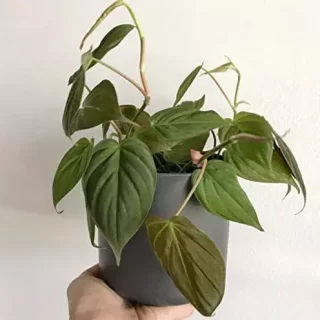
Philodendron Mican plant
Original price was: ₹650.00.₹99.00Current price is: ₹99.00.Add to cartSelling size: A well rooted plant | 2.5″ Pot Included The Philodendron Micans (Philodendron hederaceum ‘Micans’), also known as the Velvet-Leaf Philodendron, is a popular, easy-care trailing or climbing houseplant prized for its unique, velvety, heart-shaped leaves that emerge a beautiful chartreuse/pink and mature to a deep, iridescent, bronze-green with hints of purple. Here is …
-
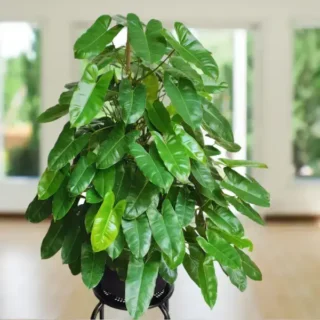
Philodendron Burle Marx Plant
Original price was: ₹485.00.₹149.00Current price is: ₹149.00.Add to cartSelling size: Single plant | Pot Included | Secure Packing The Philodendron Burle Marx is a fantastic and relatively easy-to-care-for plant, known for its glossy, spade-shaped leaves and dense, clumping growth. It’s often recommended as a great choice for beginner houseplant owners. Here is a comprehensive care guide for your Philodendron Burle Marx: Light …
-
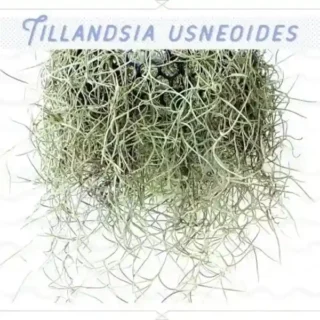
Spanish Moss Air Plant
Price range: ₹49.00 through ₹1,699.00Select options This product has multiple variants. The options may be chosen on the product pageSelling size: PLEASE CHOOSE Spanish Moss Air Plant – CARE INSTRUCTIONS Scientific name: Tillandsia usneoides Synonyms: Old man’s beard, Spanish Moss, French Hair, Spanish Beard Spanish Moss is a delicate silvery-grey air plant that is often used to hang in trees or as a gorgeous decor piece without the need for soil. Despite its name, Spanish Moss …
-
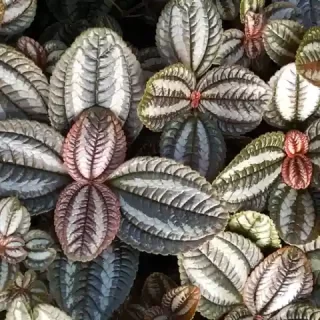
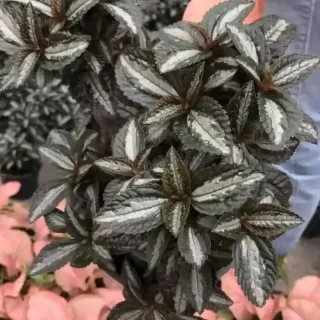
Pilea involucrata ‘Norfolk’ – Friendship Plant
Original price was: ₹450.00.₹199.00Current price is: ₹199.00.Add to cartSize: Single Plant | 2.5″ Pot Included | Free Shipping The Pilea involucrata ‘Norfolk’, commonly known as the Friendship Plant, is a delightful houseplant celebrated for its unique, velvety, quilted foliage. The leaves have a rich texture and a beautiful color palette, with deep green and bronze tones on the upper surface and a reddish-purple …
-
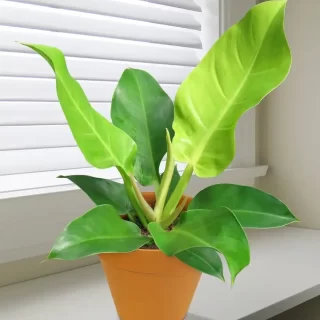
Philodendron Moonshine
Original price was: ₹1,250.00.₹249.00Current price is: ₹249.00.Add to cartSelling size: Single plant | Pot included | Secure Packing The Philodendron Moonshine (often also called ‘Moonlight’) is a popular hybrid known for its vibrant, almost glowing, chartreuse-colored leaves. It has an upright, self-heading growth habit, so unlike many vining philodendrons, it doesn’t need a trellis or pole. Here is a comprehensive guide to caring …
-
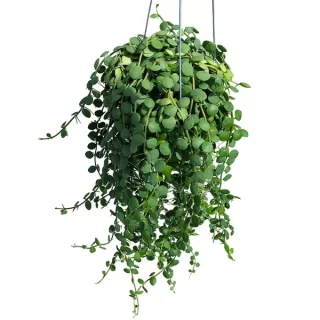
Dischidia nummularia (Pebble Beach/ Button Orchid)
Price range: ₹99.00 through ₹599.00Select options This product has multiple variants. The options may be chosen on the product pagePlant Size: Single plant | 2.5″ Pot Included he Dischidia nummularia, commonly known as the String of Nickels, Pebble Beach plant, or Button Orchid, is a charming epiphyte with trailing stems covered in small, round, succulent-like leaves. It’s a great choice for hanging baskets and is known for being relatively easy to care for, especially …
 If you need any assistance, I'm always here. Have you found what you were looking for?
Reviews
There are no reviews yet.