
Wheat Calathea
Original price was: ₹1,299.00.₹499.00Current price is: ₹499.00.
Selling Size : Single Plant | Pot Included | Secure Packing
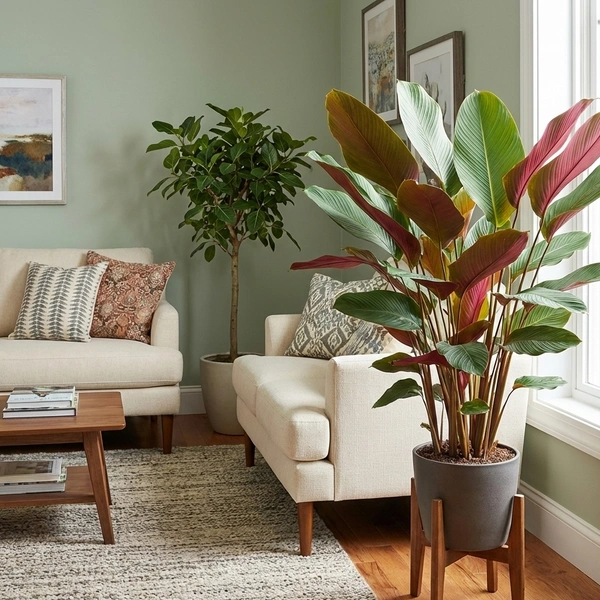
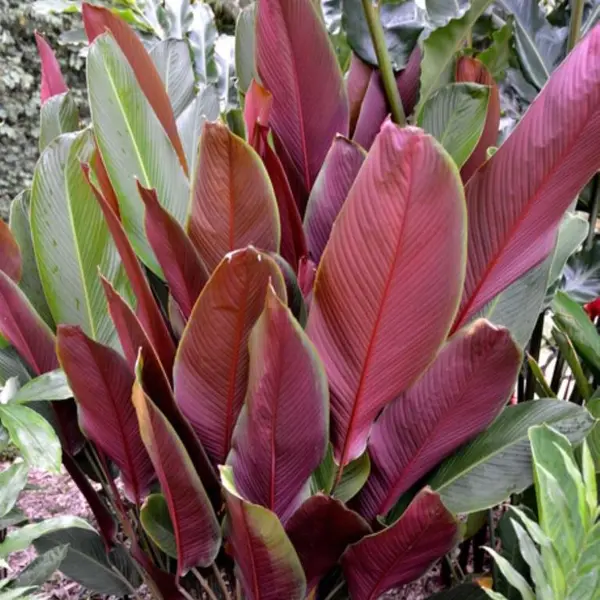
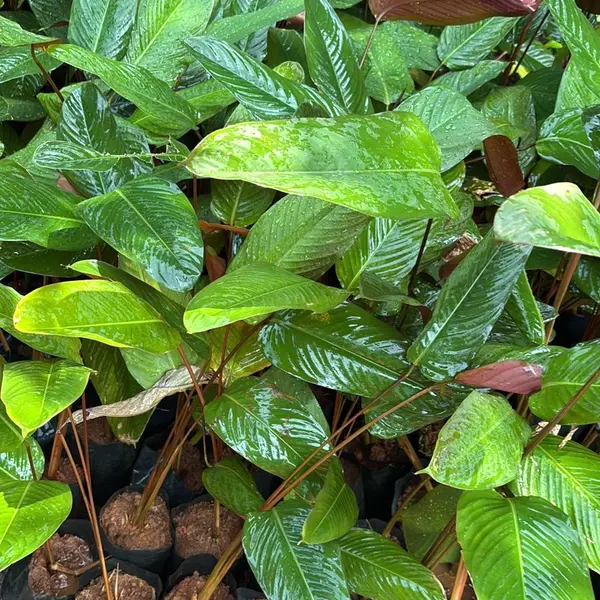
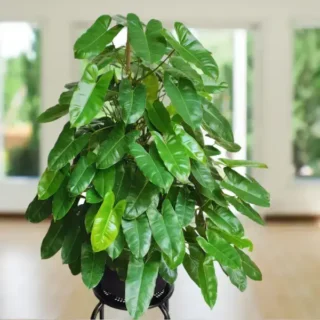
Wheat Calathea is a graceful, decorative indoor plant admired for its elongated, wheat-like leaves marked with soft green tones and delicate striping. Like other Calatheas, it belongs to the Marantaceae family and is often called a “prayer plant” because its leaves gently move in response to light. Though considered slightly sensitive, Wheat Calathea thrives beautifully when its natural tropical conditions are respected.
Wheat Calathea Care Guide (Calathea ‘Wheat’ / Goeppertia sp.) :
Light Requirements
Wheat Calathea prefers bright, indirect light. Direct sunlight can scorch its tender leaves, causing faded color and crispy edges. Place the plant near an east- or north-facing window, or a few feet away from a bright window with filtered light. In low light, growth slows and leaf patterns may become dull, while too much light can cause curling and discoloration. Soft, diffused light best mimics its natural rainforest understory habitat.
Watering Needs
Consistent and careful watering is essential. Keep the soil evenly moist but never soggy. Water when the top 2–3 cm of soil feels slightly dry. Wheat Calathea is sensitive to chemicals in tap water, so using filtered, rainwater, or overnight-stored water is ideal. Overwatering can lead to root rot, while underwatering may cause leaf edges to brown and curl. Always ensure excess water drains freely from the pot.
Humidity & Temperature
High humidity is crucial for healthy growth. Wheat Calathea thrives in 60–80% humidity, making it perfect for bathrooms, kitchens, or rooms with a humidifier. In dry indoor air, misting alone may not be enough—using a pebble tray or humidifier gives better results.
Maintain temperatures between 18–28°C. Avoid sudden temperature changes, cold drafts, air conditioners, or heaters, as these can stress the plant and lead to leaf damage.
Soil & Potting
Use a well-draining, airy soil mix rich in organic matter. A blend of coco peat, perlite, compost, and a little orchid bark works well. The soil should retain moisture without becoming waterlogged. Choose pots with good drainage holes. Repot every 1–2 years or when roots become crowded, ideally during the warm growing season.
Feeding & Fertilization
Feed Wheat Calathea lightly during its active growth period (spring and summer). Use a balanced liquid fertilizer diluted to half strength every 3–4 weeks. Over-fertilizing can cause leaf burn and salt buildup in the soil. During autumn and winter, reduce or stop feeding as the plant’s growth naturally slows.
Pruning & Maintenance
Regularly remove yellowing or damaged leaves by cutting them at the base with clean scissors. Gently wipe leaves with a soft, damp cloth to remove dust and help the plant breathe better. Avoid using commercial leaf shine products, as Calatheas are sensitive to chemicals.
Common Problems
-
Brown leaf edges: Low humidity or poor water quality
-
Leaf curling: Underwatering, low humidity, or cold air
-
Yellow leaves: Overwatering or poor drainage
-
Faded patterns: Too much direct sunlight
Early correction of care conditions usually helps the plant recover well.
Pet Safety
Wheat Calathea is non-toxic to pets, making it a safe choice for homes with cats and dogs.
Conclusion
Wheat Calathea is a stunning foliage plant that rewards attentive care with elegant, moving leaves and vibrant patterns. By providing indirect light, consistent moisture, high humidity, and stable warmth, you can enjoy this tropical beauty as a long-lasting and eye-catching indoor companion.
Related products
-
String Of Nickels (Dischidia nummularia)
Price range: ₹99.00 through ₹599.00Select options This product has multiple variants. The options may be chosen on the product pageSelling size: Well rooted plant in a Jiffy bag The Dischidia nummularia, commonly known as the String of Nickels or Button Orchid, is a delightful and easy-to-care-for trailing epiphyte. Its common name comes from its small, round, coin-shaped leaves that densely cover its long, slender stems. As a relative of the Hoya, it shares a similar …
-
Pellionia repens var. pulchra
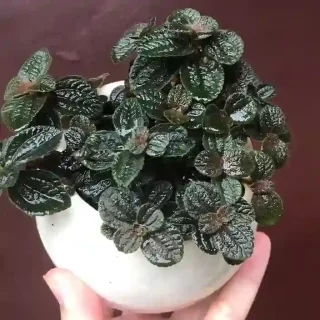
Original price was: ₹325.00.₹149.00Current price is: ₹149.00.Add to cartSelling size: Well rooted plant in a jiffy bag | Secure Packing The Pellionia repens var. pulchra, often called the Trailing Watermelon Begonia, is a beautiful and easy-to-care-for trailing plant. Its common name comes from the striking, patterned leaves that resemble the rind of a watermelon. Despite the name, it is not a true begonia …
-
Pilea Repens, Black Panamiga
Original price was: ₹280.00.₹149.00Current price is: ₹149.00.Add to cartSize: Single Plant | Jiffy Bag Caring for a Pilea Ripens (also known as Black Panamiga) involves understanding its specific needs to ensure it thrives. Here’s a breakdown of Pilea Repens, Black Panamiga key care aspects: Key Care Points: Light: Pilea repens prefers bright, indirect sunlight. Direct sunlight can scorch its leaves. Rotating the plant …
-
Philodendron Mexicanum
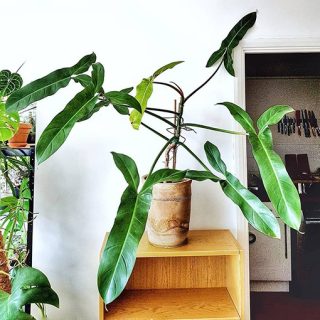
Original price was: ₹1,090.00.₹749.00Current price is: ₹749.00.Add to cartSelling size: Single Plant | Pot included The Philodendron mexicanum is a beautiful vining plant known for its long, arrow-shaped leaves with a striking deep maroon or reddish underside. As its name suggests, it is native to the tropical forests of Mexico. It’s a relatively easy-to-care-for plant, especially for those familiar with other vining philodendrons. …
-
Philodendron Moonshine
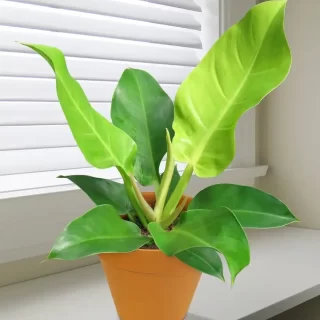
Original price was: ₹1,250.00.₹249.00Current price is: ₹249.00.Add to cartSelling size: Single plant | Pot included | Secure Packing The Philodendron Moonshine (often also called ‘Moonlight’) is a popular hybrid known for its vibrant, almost glowing, chartreuse-colored leaves. It has an upright, self-heading growth habit, so unlike many vining philodendrons, it doesn’t need a trellis or pole. Here is a comprehensive guide to caring …
-
Scindapsus Pictus Exotica
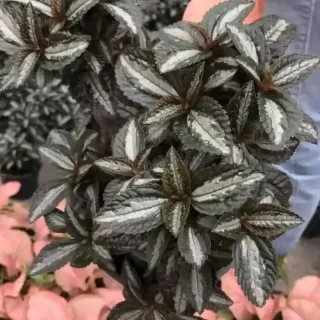
Original price was: ₹380.00.₹99.00Current price is: ₹99.00.Add to cartSelling size: Single Plant | 2.5″ Pot Included The Scindapsus Pictus Exotica, also known as the silver pothos, is a houseplant with large, dark green leaves that have silver spots and mottling. Here’s a guide to caring for your Scindapsus pictus Exotica plant: Light: Prefers bright, indirect light. An east or west-facing window that’s about …
-
Philodendron Burle Marx Plant
Original price was: ₹485.00.₹149.00Current price is: ₹149.00.Add to cartSelling size: Single plant | Pot Included | Secure Packing The Philodendron Burle Marx is a fantastic and relatively easy-to-care-for plant, known for its glossy, spade-shaped leaves and dense, clumping growth. It’s often recommended as a great choice for beginner houseplant owners. Here is a comprehensive care guide for your Philodendron Burle Marx: Light …


 If you need any assistance, I'm always here. Have you found what you were looking for?