
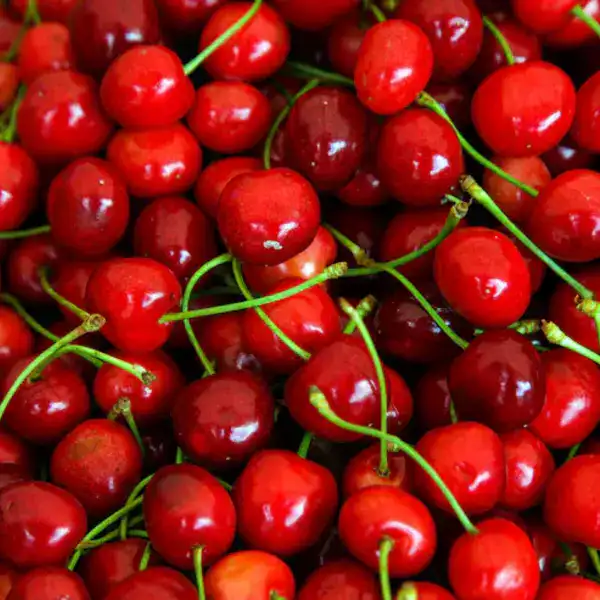


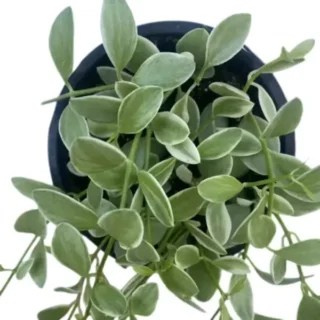
West Indian Cherry
Original price was: ₹599.00.₹149.00Current price is: ₹149.00.
Selling Size : Single Plant | Pot Included | Secure Packing
The West Indian Cherry, also known as Acerola or Barbados Cherry, is a tropical and subtropical plant valued for its high Vitamin C content.
Here’s a guide to its care for West Indian Cherry :
General Conditions
- Sunlight: West Indian Cherry trees thrive in full sun, requiring at least 6-8 hours of direct sunlight daily for optimal growth and fruit production. They can tolerate partial sun, but this may lead to reduced fruiting.
- Temperature: These plants prefer warm, humid environments. They are sensitive to cold and should be protected from frost. Mature trees can tolerate brief periods of temperatures as low as 28°F (-2°C), but young plants are more sensitive. If you live in a colder climate, it’s best to grow them in a container so you can bring them indoors during cold spells.
- Soil: They prefer well-drained, sandy, or loamy soil. Good drainage is crucial to prevent root rot. The ideal soil pH is between 6.5 and 8, as they are more tolerant of alkaline conditions than acidic ones. Adding organic matter like compost or manure can improve soil fertility and drainage.
Watering
- Frequency: Keep the soil consistently moist but not waterlogged. Young trees need more frequent watering until they are fully established.
- Established Trees: Once mature, they become more drought-tolerant. However, they will still need deep watering, especially during prolonged dry periods. Some sources suggest watering them every one or two weeks in dry climates.
- Signs of Thirst: The plant’s leaves may wilt or hang down when it needs water. They will become rigid again after a thorough watering.
Fertilization
- General Needs: West Indian Cherry trees are heavy feeders and require consistent fertilization to be productive. They benefit from a balanced fertilizer formulated for fruit trees.
- Schedule:
- Young plants (first two years): Fertilize twice a year.
- Established plants: Fertilize twice a year, typically in early spring and again in late summer/mid-fall.
- Application: Top-dressing with compost and bone meal before spring can encourage more fruit. Liquid fertilizer can also be applied weekly or every 2-3 months for potted plants. Always loosen the topsoil before applying fertilizer and water immediately afterward to help with nutrient uptake.
Pruning
- Timing: Pruning is best done in late winter or early spring before new growth begins.
- Purpose: Pruning helps maintain a compact size, removes dead or damaged branches, and improves air circulation and sunlight penetration for better fruit development.
- Techniques:
- For a shrub form: Trim down excess vertical growth to encourage side shoots.
- For a tree format: Keep basal sprouts in check and allow a single trunk to develop. You can also top the branches to control the height.
Other Tips
- Mulching: Applying a layer of mulch around the base of the tree helps conserve moisture and suppress weeds. Keep the mulch a few inches away from the trunk to prevent rotting or fungal growth.
- Pests and Diseases: West Indian Cherry trees are generally resilient to pests and diseases. Monitor for common pests like aphids or fruit flies.
- Harvesting: The ripe fruit is quite fragile and has a short shelf life, so handle them carefully when picking.
1 review for West Indian Cherry
You must be logged in to post a review.
Related products
-
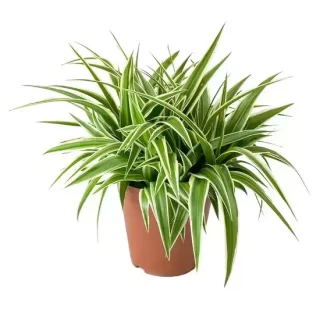
Chlorophytum Spider Live Plant
Original price was: ₹249.00.₹99.00Current price is: ₹99.00.Add to cartSelling size: Well rooted Single plant | 2.5″ Pot included Chlorophytum Spider, also the Spider Plant is an impressive houseplant which is the perfect plant for any beginner. A NASA certified air purifier, its long, green foliage with white variegations look good in both hanging planters and as desktop setups. In favourable conditions, it blooms …
-
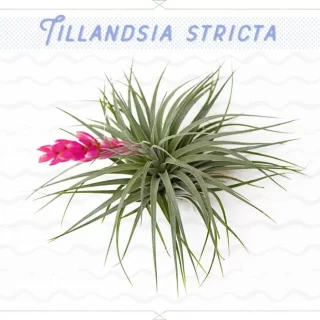
Tillandsia Stricta (Air plant)
Original price was: ₹400.00.₹199.00Current price is: ₹199.00.Add to cartSelling size: Single plant | Secure Packing The Tillandsia Stricta (Air plant) is one of the most popular and adaptable species of air plants, known for its soft, green-silver foliage and beautiful blooms. Like all air plants, it is epiphytic, meaning it absorbs all its water and nutrients through its leaves from the air, not …
-
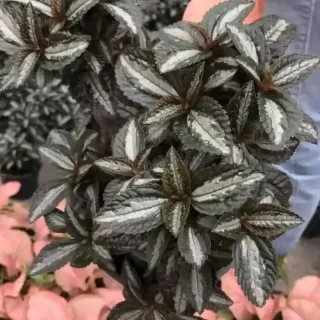
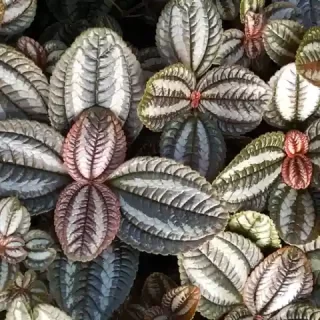
Pilea involucrata ‘Norfolk’ – Friendship Plant
Original price was: ₹450.00.₹199.00Current price is: ₹199.00.Add to cartSize: Single Plant | 2.5″ Pot Included | Free Shipping The Pilea involucrata ‘Norfolk’, commonly known as the Friendship Plant, is a delightful houseplant celebrated for its unique, velvety, quilted foliage. The leaves have a rich texture and a beautiful color palette, with deep green and bronze tones on the upper surface and a reddish-purple …
-
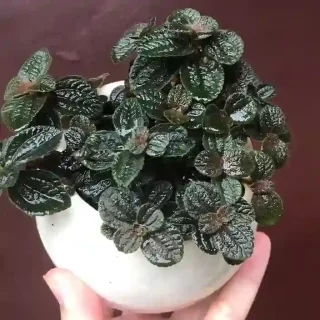
Pilea Repens, Black Panamiga
Original price was: ₹280.00.₹149.00Current price is: ₹149.00.Add to cartSize: Single Plant | Jiffy Bag Caring for a Pilea Ripens (also known as Black Panamiga) involves understanding its specific needs to ensure it thrives. Here’s a breakdown of Pilea Repens, Black Panamiga key care aspects: Key Care Points: Light: Pilea repens prefers bright, indirect sunlight. Direct sunlight can scorch its leaves. Rotating the plant …
-
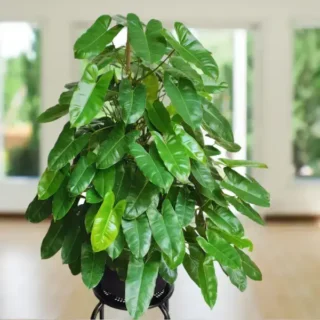
Philodendron Burle Marx Plant
Original price was: ₹485.00.₹149.00Current price is: ₹149.00.Add to cartSelling size: Single plant | Pot Included | Secure Packing The Philodendron Burle Marx is a fantastic and relatively easy-to-care-for plant, known for its glossy, spade-shaped leaves and dense, clumping growth. It’s often recommended as a great choice for beginner houseplant owners. Here is a comprehensive care guide for your Philodendron Burle Marx: Light …
-
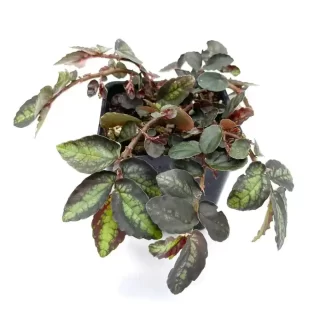
Pellionia repens var. pulchra
Original price was: ₹325.00.₹149.00Current price is: ₹149.00.Add to cartSelling size: Well rooted plant in a jiffy bag | Secure Packing The Pellionia repens var. pulchra, often called the Trailing Watermelon Begonia, is a beautiful and easy-to-care-for trailing plant. Its common name comes from the striking, patterned leaves that resemble the rind of a watermelon. Despite the name, it is not a true begonia …
 If you need any assistance, I'm always here. Have you found what you were looking for?
hanuk (verified owner) –
Happy to receive healthy plant, which is exactly as shown in picture.
All the leaves are intact.
Thanks for the well packing