

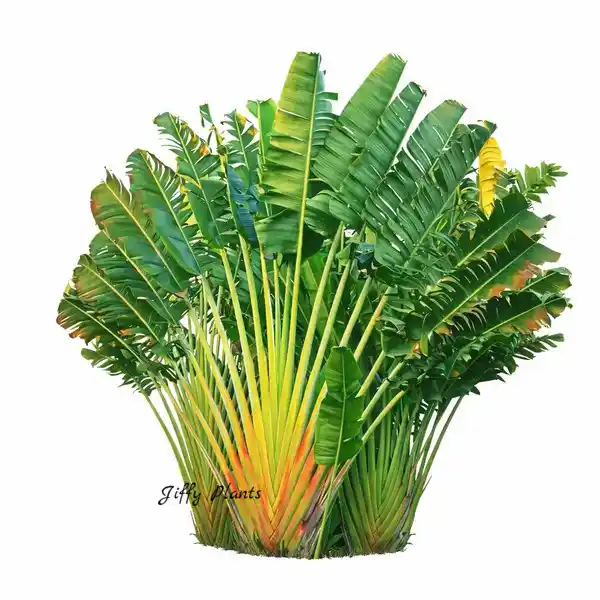
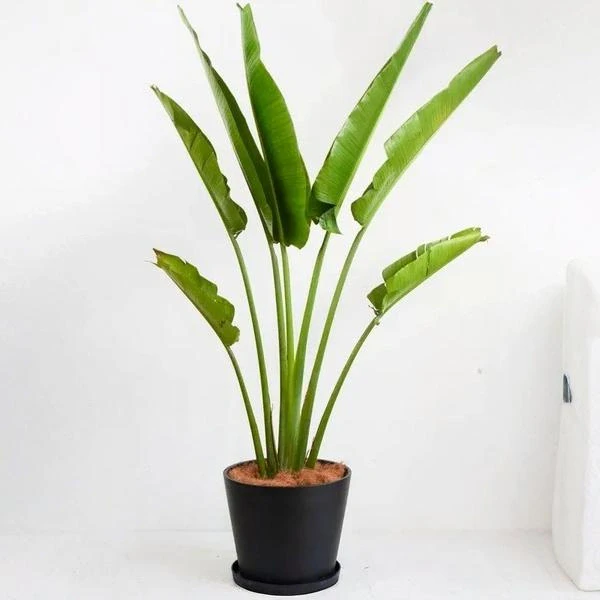
Traveller Palm
Original price was: ₹1,055.00.₹799.00Current price is: ₹799.00.
Selling Size : Single Plant | Pot Included | Secure Packing
The Traveller Palm, botanically known as Ravenala madagascariensis, is a striking tropical plant famous for its dramatic fan-shaped leaves arranged in a single plane. Despite its common name, it is not a true palm but belongs to the banana family (Strelitziaceae). Native to Madagascar, the Traveller Palm is widely grown in tropical and subtropical regions for its bold architectural beauty and landscape appeal. With proper care, it can thrive both outdoors and indoors in spacious, well-lit areas.
Traveller Palm (Ravenala madagascariensis) Care Guide :
Light Requirements
Traveller Palm loves bright light and performs best in full sun to bright indirect light. Outdoors, it should be planted in an open area where it receives several hours of direct sunlight daily. Indoors, place it near a large south- or east-facing window. Insufficient light can result in slow growth, smaller leaves, and weak stems. Rotate indoor plants occasionally to ensure even growth and maintain the symmetrical fan shape.
Watering
This plant prefers consistently moist soil, especially during the active growing season. Water thoroughly whenever the top 5–7 cm of soil feels slightly dry. Avoid letting the soil dry out completely, as this can cause leaf browning and stress. At the same time, ensure excellent drainage, since waterlogged soil may lead to root rot. During cooler months or slower growth periods, reduce watering frequency slightly while keeping the soil lightly moist.

Soil and Potting
Traveller Palm thrives in rich, well-draining soil. A mix of garden soil, compost or organic manure, coco peat, and sand or perlite works well. This combination retains moisture while allowing excess water to drain freely. For container-grown plants, always use large pots with multiple drainage holes. Repotting is recommended every 2–3 years or when the plant becomes root-bound, preferably during warm months.
Temperature and Humidity
Being a tropical plant, Traveller Palm prefers warm temperatures between 20–35°C. It is sensitive to cold and should be protected from temperatures below 10°C. Frost can severely damage the leaves. High humidity is ideal for lush growth. While it can tolerate average humidity, regular misting, humidifiers, or planting in humid environments will help prevent leaf edge browning and encourage healthy foliage.
Fertilization
Feed the Traveller Palm with a balanced fertilizer every 3–4 weeks during spring and summer. Organic fertilizers such as vermicompost or well-rotted manure are excellent choices. For potted plants, a diluted liquid fertilizer can be used. Avoid over-fertilizing, as this may cause salt buildup and leaf burn. Fertilization can be reduced during winter.
Pruning and Maintenance
Pruning is minimal and mainly cosmetic. Remove old, yellow, or damaged leaves at the base using clean, sharp tools. This helps redirect energy to new growth and keeps the plant looking tidy. Regularly clean the large leaves with a damp cloth to remove dust and allow better light absorption.
Growth Habit and Space
Traveller Palm is a large-growing plant that can reach heights of 6–10 meters outdoors. Indoors, growth is slower and size is more controlled, but it still requires ample vertical and horizontal space. Choose a location where its dramatic leaf spread can be fully appreciated without obstruction.
Common Problems
-
Brown leaf edges: Low humidity or irregular watering
-
Yellowing leaves: Overwatering or poor drainage
-
Torn leaves: Natural occurrence due to wind; not a health issue
Conclusion
The Traveller Palm is a majestic, statement plant that brings a bold tropical feel to gardens and interiors alike. With ample light, regular watering, rich soil, and warm, humid conditions, Ravenala madagascariensis will reward you with stunning fan-shaped foliage and vigorous growth. Proper space and consistent care are the keys to keeping this iconic plant healthy and impressive for years to come.
Related products
-
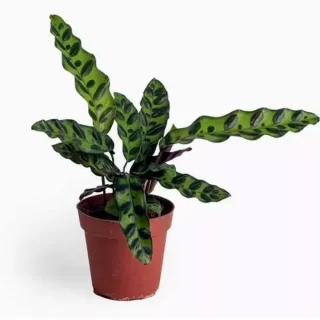
Calathiya Rattlesnake Plant
Price range: ₹125.00 through ₹549.00Select options This product has multiple variants. The options may be chosen on the product pageSelling size: Please Choose | Secure Packing | 2.5″-4″ Pot Included Calathiya rattlesnake is a plant easy to care for. However, there are a few measures and precautions you need to take to grow and maintain yours. Here’s a comprehensive guide for rattlesnake plant : Light Calathea Lancifolia prefers bright, indirect light. Like most variegated …
-
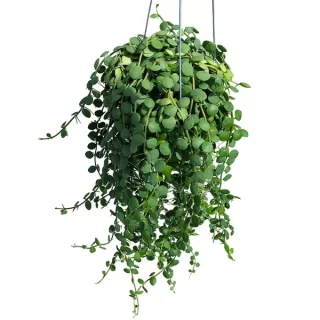
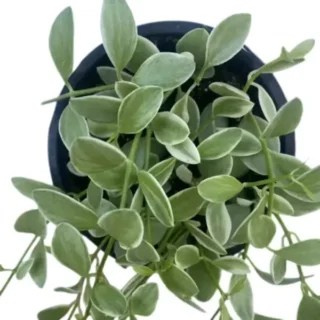
Dischidia nummularia (Pebble Beach/ Button Orchid)
Price range: ₹99.00 through ₹599.00Select options This product has multiple variants. The options may be chosen on the product pagePlant Size: Single plant | 2.5″ Pot Included he Dischidia nummularia, commonly known as the String of Nickels, Pebble Beach plant, or Button Orchid, is a charming epiphyte with trailing stems covered in small, round, succulent-like leaves. It’s a great choice for hanging baskets and is known for being relatively easy to care for, especially …
-
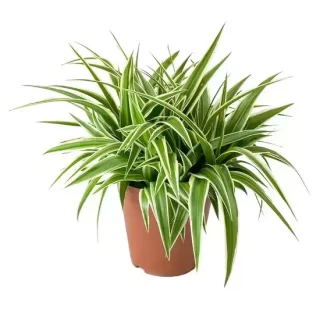
Chlorophytum Spider Live Plant
Original price was: ₹249.00.₹99.00Current price is: ₹99.00.Add to cartSelling size: Well rooted Single plant | 2.5″ Pot included Chlorophytum Spider, also the Spider Plant is an impressive houseplant which is the perfect plant for any beginner. A NASA certified air purifier, its long, green foliage with white variegations look good in both hanging planters and as desktop setups. In favourable conditions, it blooms …
-
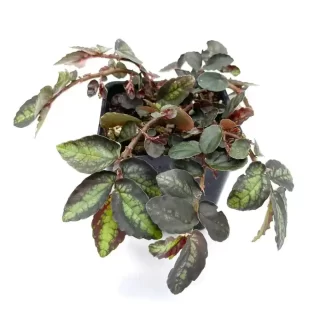
Pellionia repens var. pulchra
Original price was: ₹325.00.₹149.00Current price is: ₹149.00.Add to cartSelling size: Well rooted plant in a jiffy bag | Secure Packing The Pellionia repens var. pulchra, often called the Trailing Watermelon Begonia, is a beautiful and easy-to-care-for trailing plant. Its common name comes from the striking, patterned leaves that resemble the rind of a watermelon. Despite the name, it is not a true begonia …
-
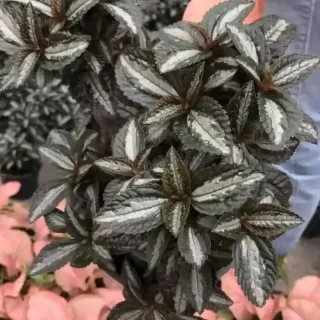
Columbian Peperomia (Galaxy pepperomia)
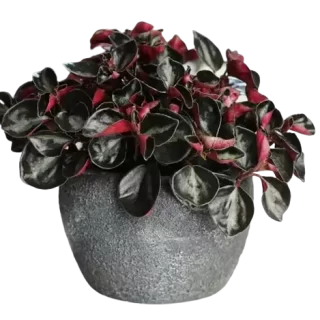
Original price was: ₹345.00.₹183.65Current price is: ₹183.65.Read moreSelling size:Well rooted plant in a jiffy bag The Columbian Peperomia (Peperomia metallica var. columbiana) is a visually striking and relatively low-maintenance houseplant. It is also sometimes sold as “Galaxy Peperomia,” a name that hints at its unique foliage. This plant is known for its beautiful, semi-succulent leaves that have a dark green or bronze-purple …
-
Philodendron Moonshine
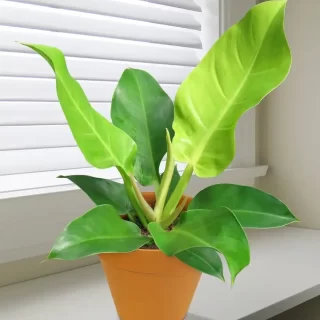
Original price was: ₹1,250.00.₹249.00Current price is: ₹249.00.Add to cartSelling size: Single plant | Pot included | Secure Packing The Philodendron Moonshine (often also called ‘Moonlight’) is a popular hybrid known for its vibrant, almost glowing, chartreuse-colored leaves. It has an upright, self-heading growth habit, so unlike many vining philodendrons, it doesn’t need a trellis or pole. Here is a comprehensive guide to caring …
 If you need any assistance, I'm always here. Have you found what you were looking for?