
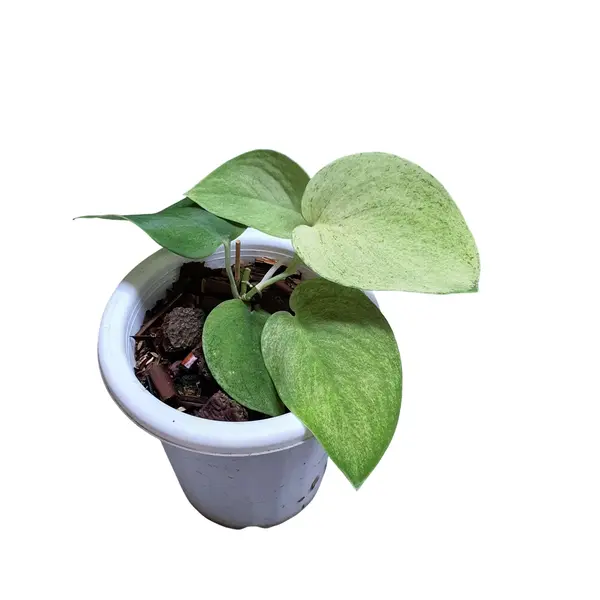
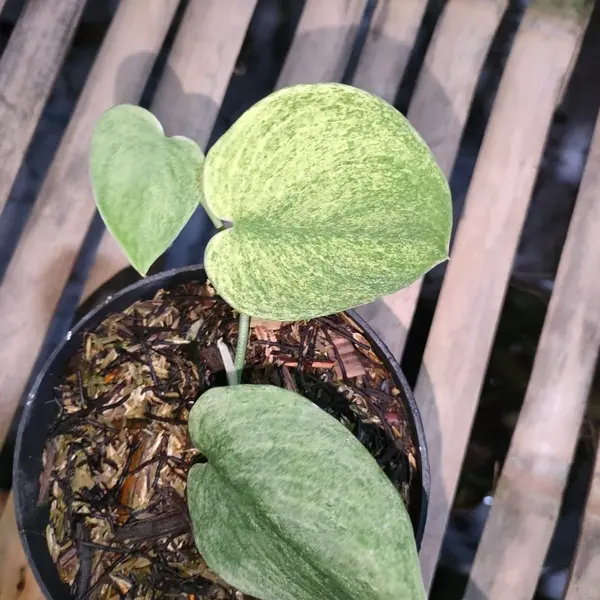
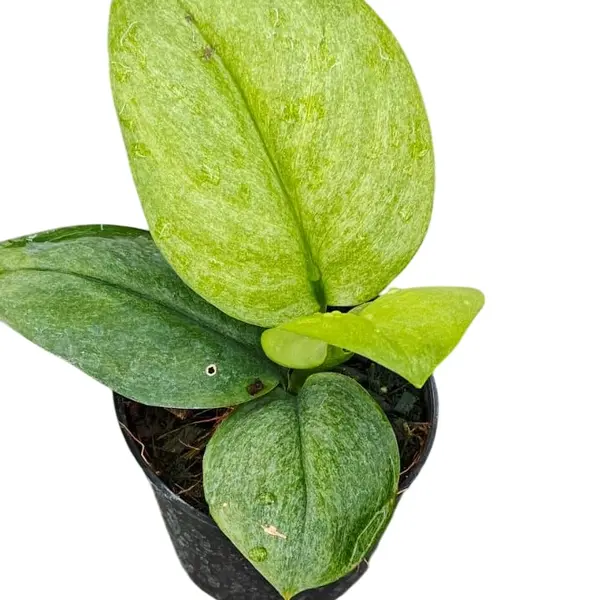
Scindapsus Jade Satin Mint variegated
Original price was: ₹1,599.00.₹1,249.00Current price is: ₹1,249.00.
Selling Size : Single Plant | Pot Included | Secure Packing
Scindapsus Jade Satin Mint Variegated is a stunning and rare cultivar known for its thick, velvety, heart-shaped leaves with soft mint-green variegation. This plant combines the beauty of Satin Scindapsus with the charm of minty marbling, making it highly desirable for collectors. Although it looks delicate, it is fairly easy to grow when given the right conditions. Here is a care guide to help your Jade Satin Mint Variegated thrive.
Scindapsus Jade Satin Mint Variegated – Complete Care Guide:
Light Requirements
This plant thrives in bright, indirect light. Proper lighting is essential to maintain its mint variegation and avoid dulling or fading of the leaves.
Ideal lighting:
-
Near east or north-facing windows
-
2–3 feet away from a bright south or west window
-
Under a full-spectrum grow light for 8–10 hours
Avoid direct sunlight, especially afternoon sun, as it can burn the leaves and cause brown, crispy patches. Low light will make the plant grow slowly and may reduce the variegation, making the plant appear more green than mint.
Watering Needs
Scindapsus varieties generally prefer to dry out slightly between waterings, and Jade Satin Mint Variegated is no different.
Watering schedule:
-
Water when the top 2–3 cm of soil feels dry.
-
During summer, watering may be required every 5–7 days.
-
In winter, reduce the frequency to 10–14 days depending on humidity and temperature.
Avoid overwatering at all costs. Because this plant has thick leaves, it stores moisture and is prone to root rot if the soil stays soggy. Yellowing, curling, or mushy leaves often indicate excess moisture.
Use room-temperature water and ensure the pot has good drainage.
Humidity Requirements
This Scindapsus enjoys moderate to high humidity, ideally 60–80%, to maintain its velvety texture and prevent leaf-edge browning.
Ways to increase humidity:
-
Keep a humidifier nearby
-
Group plants together
-
Place the pot over a pebble tray
-
Keep it in a well-lit bathroom or kitchen
Avoid misting, as water droplets on velvety leaves can cause fungal spots.
Temperature Range
Scindapsus Jade Satin Mint Variegated prefers warm indoor temperatures between 18–30°C. It does not tolerate cold drafts or sudden temperature drops.
Avoid placing it:
-
Near AC vents
-
Near heaters
-
In windy balconies during cold months
Temperatures below 15°C can stress the plant, slowing growth and causing leaf curling.
Soil and Potting Mix
A well-draining soil mix is essential. This plant’s roots like aeration and cannot tolerate compact soil.
Recommended mix:
-
40% cocopeat or peat moss
-
30% perlite
-
20% orchid bark
-
10% charcoal or pumice
This chunky mix prevents waterlogging while maintaining enough moisture for the roots.
Repot every 1–2 years, preferably in spring. Move up only one pot size at a time.
Fertilization
Feed the plant during the growing season (February–October) for healthy growth and vibrant variegation.
Fertilizer routine:
-
Use a balanced liquid fertilizer such as NPK 10-10-10 or 20-20-20 diluted to half strength.
-
Apply once every 4–6 weeks.
-
Organic options like seaweed extract or worm castings can be used monthly.
Avoid over-fertilizing; it may scorch the roots or lead to salt buildup in the soil.
Growth Habit and Support
This variety grows slowly compared to other Scindapsus types, especially because of its thick, velvety leaves. It can trail or climb depending on your preference.
Providing a moss pole or trellis encourages larger leaves and stronger growth. As a trailing plant, it makes a beautiful hanging basket specimen.
Pests and Common Issues
Common pests include:
-
Mealybugs
-
Spider mites
-
Aphids
Spray neem oil every 10–15 days as prevention. Wipe leaves gently with a soft cloth to remove dust.
Common problems:
-
Yellow leaves – Overwatering
-
Browning tips – Low humidity
-
Slow growth – Low light
-
Variegation fading – Insufficient light
Propagation
Propagate through stem cuttings containing at least 1–2 nodes. Rooting works well in water, perlite, moss, or aroid mix. Keep cuttings warm and humid for faster rooting.
Related products
-
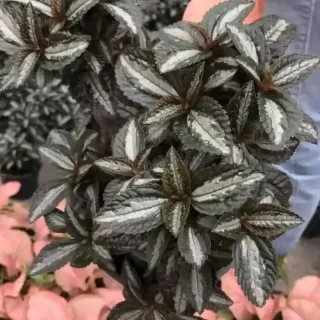
Columbian Peperomia (Galaxy pepperomia)
Original price was: ₹345.00.₹183.65Current price is: ₹183.65.Read moreSelling size:Well rooted plant in a jiffy bag The Columbian Peperomia (Peperomia metallica var. columbiana) is a visually striking and relatively low-maintenance houseplant. It is also sometimes sold as “Galaxy Peperomia,” a name that hints at its unique foliage. This plant is known for its beautiful, semi-succulent leaves that have a dark green or bronze-purple …
-
String of Bananas
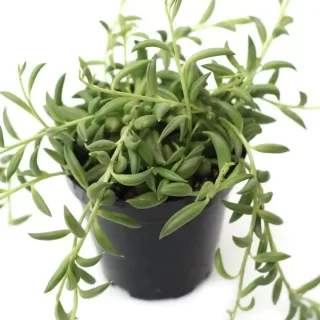
Original price was: ₹450.00.₹249.00Current price is: ₹249.00.Add to cartSelling size: Mentioned in last Picture | Secure Packing The String of Bananas (Curio radicans or Senecio radicans) is a charming trailing succulent known for its long, cascading stems covered in plump, banana-shaped leaves. It’s a popular choice for hanging baskets and is generally easy to care for, especially for those who are new …
-
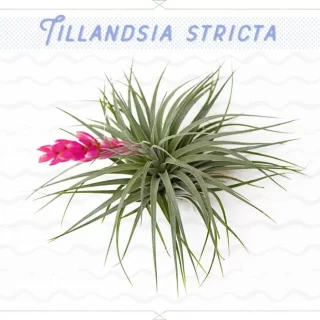
Tillandsia Stricta (Air plant)
Original price was: ₹400.00.₹199.00Current price is: ₹199.00.Add to cartSelling size: Single plant | Secure Packing The Tillandsia Stricta (Air plant) is one of the most popular and adaptable species of air plants, known for its soft, green-silver foliage and beautiful blooms. Like all air plants, it is epiphytic, meaning it absorbs all its water and nutrients through its leaves from the air, not …
-
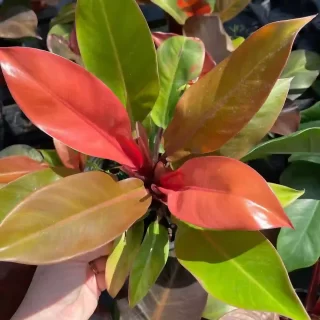
Philodendron ‘Prince of Orange’
Price range: ₹199.00 through ₹620.00Select options This product has multiple variants. The options may be chosen on the product pageSelling Size : Single Plant | Pot Included | Secure Packing The Philodendron ‘Prince of Orange’ is a stunning and popular hybrid known for its vibrant, ever-changing leaf colors. New leaves emerge as a brilliant orange or coppery color, and as they mature, they transition to a lime green, then a deep, glossy green. It …
-
String Of Nickels (Dischidia nummularia)
Price range: ₹99.00 through ₹599.00Select options This product has multiple variants. The options may be chosen on the product pageSelling size: Well rooted plant in a Jiffy bag The Dischidia nummularia, commonly known as the String of Nickels or Button Orchid, is a delightful and easy-to-care-for trailing epiphyte. Its common name comes from its small, round, coin-shaped leaves that densely cover its long, slender stems. As a relative of the Hoya, it shares a similar …
-
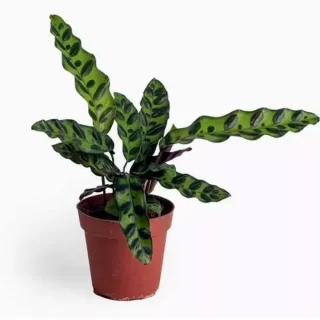
Calathiya Rattlesnake Plant
Price range: ₹125.00 through ₹549.00Select options This product has multiple variants. The options may be chosen on the product pageSelling size: Please Choose | Secure Packing | 2.5″-4″ Pot Included Calathiya rattlesnake is a plant easy to care for. However, there are a few measures and precautions you need to take to grow and maintain yours. Here’s a comprehensive guide for rattlesnake plant : Light Calathea Lancifolia prefers bright, indirect light. Like most variegated …
-
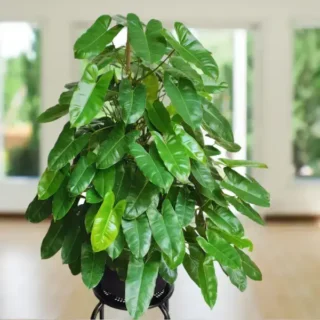
Philodendron Burle Marx Plant
Original price was: ₹485.00.₹149.00Current price is: ₹149.00.Add to cartSelling size: Single plant | Pot Included | Secure Packing The Philodendron Burle Marx is a fantastic and relatively easy-to-care-for plant, known for its glossy, spade-shaped leaves and dense, clumping growth. It’s often recommended as a great choice for beginner houseplant owners. Here is a comprehensive care guide for your Philodendron Burle Marx: Light …

 If you need any assistance, I'm always here. Have you found what you were looking for?