
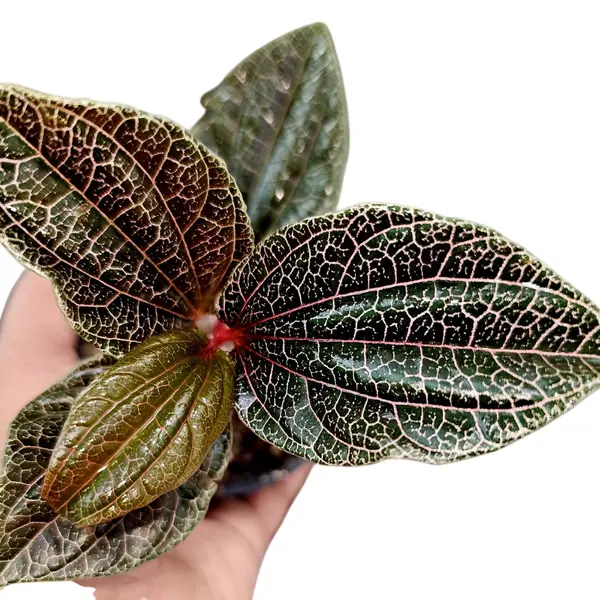
Piper Sp Pink
₹1.00
Out of stock
Email when stock available
Selling Size : Single Plant | Pot Included | Secure Packing | Free Delivery
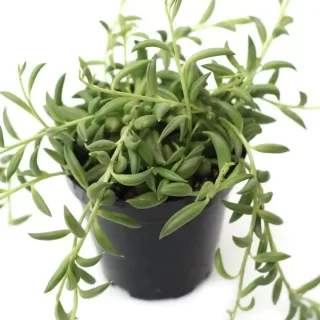
Piper Sp Pink is a striking tropical foliage plant prized for its heart-shaped leaves splashed with soft pink, creamy white, and green tones. The delicate pastel variegation, slightly textured leaf surface, and trailing or climbing growth habit make it a favorite among collectors of rare and decorative plants. While visually delicate, this plant is fairly adaptable when its basic tropical needs are met. Providing the right light, humidity, soil, and care routine will keep its pink coloration vibrant and its growth healthy.
Piper Sp Pink – Complete Plant Care Guide :
Light Requirements
Light plays the most important role in maintaining the pink variegation of Piper sp. ‘Pink’. It thrives best in bright, indirect light. Adequate light helps intensify the pink hues and prevents the plant from reverting to plain green leaves. Low light will result in dull coloration, leggy growth, and smaller leaves. However, direct harsh sunlight—especially afternoon sun—can scorch the leaves, causing brown patches and fading of the pink tones. An east-facing window or a spot near a bright window with filtered light is ideal. If grown outdoors, partial shade with dappled sunlight works best.
Watering Needs
This Piper prefers consistently moist soil, but it does not tolerate waterlogging. Water when the top 2–3 cm of soil feels slightly dry. Avoid letting the plant completely dry out, as this can cause leaf curling, drooping, and stress. Overwatering, on the other hand, can lead to root rot, yellowing leaves, and fungal problems. During winter or cooler months, reduce watering slightly since growth slows down.
Soil and Potting Mix
A well-aerated, nutrient-rich, and well-draining soil mix is essential. A recommended blend includes cocopeat or peat moss, perlite, compost, and a small amount of garden soil in equal proportions. Adding orchid bark or charcoal can further improve drainage and prevent soil compaction. Always use a pot with drainage holes to avoid water accumulation at the bottom.
Humidity and Temperature
Being a tropical plant, Piper sp. ‘Pink’ loves high humidity (60–80%). In dry indoor conditions, regular misting, a humidifier, or placing the plant on a pebble tray with water can help maintain adequate humidity. The ideal temperature range is between 18°C and 30°C. It is sensitive to cold drafts, frost, and sudden temperature fluctuations, so keep it away from air conditioners, heaters, and open windows in winter.
Fertilization
To support lush growth and vibrant coloration, feed the plant regularly during the growing season (spring and summer). Use a balanced liquid fertilizer (such as 10-10-10 or 20-20-20) diluted to half strength every 2–3 weeks. Organic options like vermicompost, compost tea, or diluted fish emulsion can also be used once a month. Avoid over-fertilizing, as it can cause salt buildup and damage the roots.
Pruning and Maintenance
Pruning helps maintain a bushy shape and encourages new growth. Trim leggy stems and remove any damaged, yellow, or fully green leaves to promote better variegation. Pinching back the tips can also stimulate branching. Clean the leaves gently with a damp cloth to remove dust and improve photosynthesis. Regularly rotate the plant to ensure even light exposure on all sides.
Repotting
Young plants should be repotted every 12–18 months, while mature plants can be repotted every 2–3 years. Choose a pot that is only slightly larger than the current one to prevent excess moisture retention. Spring is the best time for repotting, as the plant is actively growing.
Pests and Diseases
Piper sp. ‘Pink’ can occasionally attract pests such as spider mites, mealybugs, and aphids—especially in low-humidity conditions. Inspect the plant regularly and treat infestations with neem oil, insecticidal soap, or a mild soapy water spray. Fungal issues may occur due to overwatering or poor airflow, so proper watering and ventilation are important.
Propagation
This plant can be easily propagated through stem cuttings. Take a healthy cutting with 2–3 nodes, remove the lower leaves, and place it in water or a moist potting mix. Keep it in bright, indirect light and high humidity until roots develop. Once established, transfer it to a well-draining potting mix.
Special Care Tips
-
Avoid placing the plant in direct midday sun.
-
Maintain high humidity for better leaf coloration.
-
Do not let the soil dry out completely.
-
Keep away from cold drafts and sudden temperature changes.
-
Rotate the plant regularly for balanced growth.
With proper care, Piper sp. ‘Pink’ can become a stunning trailing or climbing plant that adds a soft, artistic touch to any indoor garden or plant collection.
Related products
-
Calathiya Rattlesnake Plant
Price range: ₹125.00 through ₹549.00Select options This product has multiple variants. The options may be chosen on the product pageSelling size: Please Choose | Secure Packing | 2.5″-4″ Pot Included Calathiya rattlesnake is a plant easy to care for. However, there are a few measures and precautions you need to take to grow and maintain yours. Here’s a comprehensive guide for rattlesnake plant : Light Calathea Lancifolia prefers bright, indirect light. Like most variegated …
-
Pilea involucrata ‘Norfolk’ – Friendship Plant
Original price was: ₹450.00.₹199.00Current price is: ₹199.00.Add to cartSize: Single Plant | 2.5″ Pot Included | Free Shipping The Pilea involucrata ‘Norfolk’, commonly known as the Friendship Plant, is a delightful houseplant celebrated for its unique, velvety, quilted foliage. The leaves have a rich texture and a beautiful color palette, with deep green and bronze tones on the upper surface and a reddish-purple …
-
Dischidia nummularia (Pebble Beach/ Button Orchid)
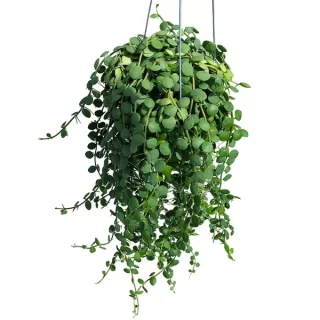
Price range: ₹99.00 through ₹599.00Select options This product has multiple variants. The options may be chosen on the product pagePlant Size: Single plant | 2.5″ Pot Included he Dischidia nummularia, commonly known as the String of Nickels, Pebble Beach plant, or Button Orchid, is a charming epiphyte with trailing stems covered in small, round, succulent-like leaves. It’s a great choice for hanging baskets and is known for being relatively easy to care for, especially …
-
Dischidia Oiantha plant
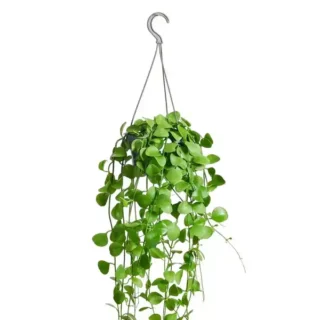
Price range: ₹99.00 through ₹599.00Select options This product has multiple variants. The options may be chosen on the product pagePlant Size: Single plant | Secure Packing The Dischidia oiantha, often referred to as a “Hoya cousin,” is a charming, easy-to-care-for epiphyte with trailing vines and small, oval, succulent-like leaves. It’s a great choice for hanging baskets or for adding a touch of whimsy to a shelf. Here is a comprehensive guide to caring for …
-
Philodendron Moonshine
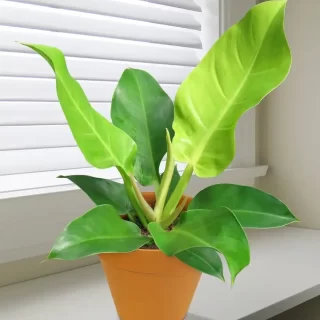
Original price was: ₹1,250.00.₹249.00Current price is: ₹249.00.Add to cartSelling size: Single plant | Pot included | Secure Packing The Philodendron Moonshine (often also called ‘Moonlight’) is a popular hybrid known for its vibrant, almost glowing, chartreuse-colored leaves. It has an upright, self-heading growth habit, so unlike many vining philodendrons, it doesn’t need a trellis or pole. Here is a comprehensive guide to caring …
-
Philodendron Mican plant
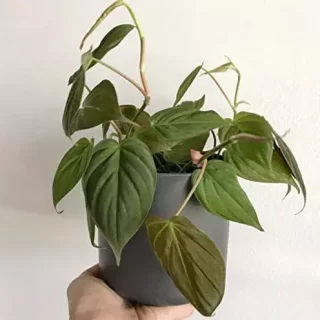
Original price was: ₹650.00.₹99.00Current price is: ₹99.00.Add to cartSelling size: A well rooted plant | 2.5″ Pot Included The Philodendron Micans (Philodendron hederaceum ‘Micans’), also known as the Velvet-Leaf Philodendron, is a popular, easy-care trailing or climbing houseplant prized for its unique, velvety, heart-shaped leaves that emerge a beautiful chartreuse/pink and mature to a deep, iridescent, bronze-green with hints of purple. Here is …
-
String of Bananas
Original price was: ₹450.00.₹249.00Current price is: ₹249.00.Add to cartSelling size: Mentioned in last Picture | Secure Packing The String of Bananas (Curio radicans or Senecio radicans) is a charming trailing succulent known for its long, cascading stems covered in plump, banana-shaped leaves. It’s a popular choice for hanging baskets and is generally easy to care for, especially for those who are new …
 If you need any assistance, I'm always here. Have you found what you were looking for?