
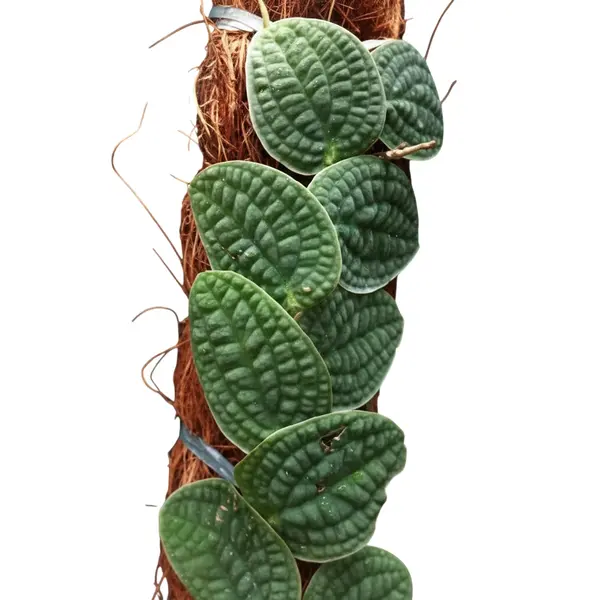
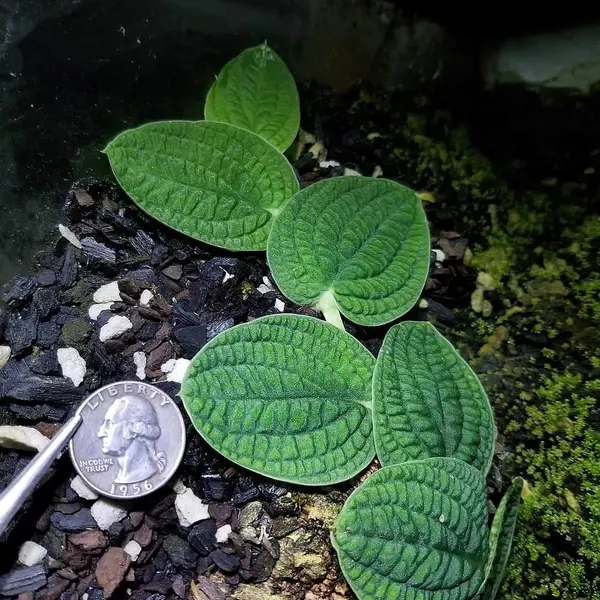
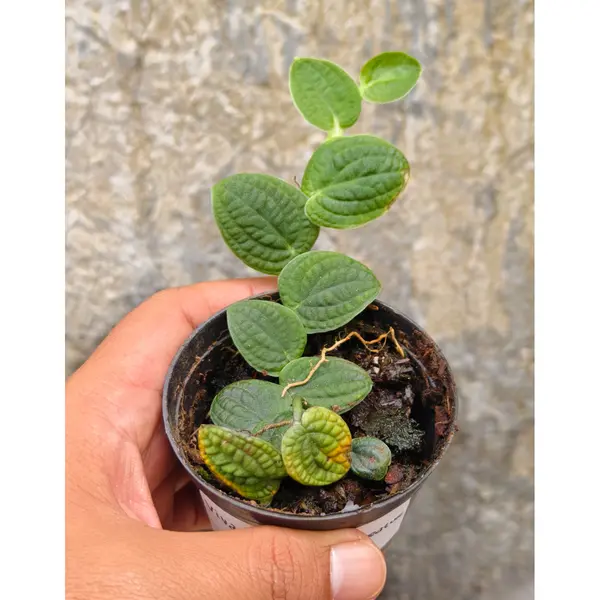
Piper clypeatum
₹1.00
Out of stock
Email when stock available
Selling Size : Single Plant | Pot Included | Secure Packing | Free Delivery
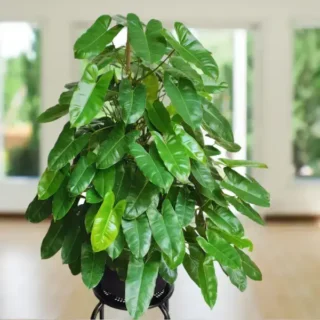
Piper clypeatum is a rare and attractive tropical foliage plant valued for its shield-shaped leaves, prominent venation, and soft matte texture. Belonging to the Piperaceae family, this species is native to humid rainforest environments where warmth, filtered light, and consistent moisture dominate. When grown indoors with proper care, Piper clypeatum becomes a lush, elegant statement plant suitable for both beginners and collectors.
Piper clypeatum Care Guide :
Light Requirements
Piper clypeatum thrives in bright, indirect light. An east-facing window or a spot a few meters away from a bright south-facing window with filtered light works well. Direct sunlight can scorch the delicate leaves and cause discoloration, while low light may result in slow growth and elongated stems. Consistent indirect light supports compact growth and healthy leaf development.
Watering
Water the plant when the top 2–3 cm of the soil feels slightly dry. Piper clypeatum prefers evenly moist soil but does not tolerate soggy conditions. Always use a pot with drainage holes and remove excess water after watering. Rainwater, RO water, or filtered water is ideal, as mineral-rich tap water can lead to leaf tip browning. Overwatering may cause yellowing leaves and root rot, while underwatering can lead to wilting.
Humidity
High humidity is important for Piper clypeatum. Maintain 65–85% humidity to encourage healthy foliage and prevent crispy leaf edges. A humidifier is the most reliable method, especially in air-conditioned rooms. Pebble trays and grouping plants together can help raise humidity levels, but stable humidity is more effective than occasional misting.
Temperature
This plant prefers warm temperatures between 18°C and 30°C. Avoid exposure to temperatures below 15°C, as cold stress can slow growth and damage leaves. Keep the plant away from cold drafts, open windows during cool nights, and direct airflow from air conditioners or heaters. Consistent warmth promotes steady growth.
Growing Medium
Use a well-draining, organic-rich potting mix that retains moisture without becoming compacted. A suitable mix includes coco peat or peat moss, perlite, orchid bark, and a small amount of compost or worm castings. This combination allows roots to breathe while staying lightly moist. Avoid heavy garden soil, which can suffocate roots and encourage rot.
Fertilizing
Feed Piper clypeatum every 3–4 weeks during the active growing season (spring and summer) using a balanced liquid fertilizer diluted to half strength. Organic options like seaweed extract or fish emulsion support healthy foliage growth. Over-fertilizing can cause salt buildup and leaf burn, so flush the soil with plain water every few months. Reduce feeding during winter when growth slows.
Repotting
Repot every 12–18 months or when roots begin to fill the pot. Choose a container only one size larger to prevent excessive moisture retention. Repotting refreshes nutrients, improves aeration, and encourages strong root development.
Pruning and Maintenance
Trim leggy or damaged stems to maintain a neat, compact shape. Use clean, sterilized scissors for pruning. Wipe the leaves gently with a damp cloth to remove dust and allow better photosynthesis. Avoid using leaf-shine products, as they can clog leaf pores.
Pest and Disease Management
Inspect regularly for pests such as spider mites, aphids, and mealybugs, particularly on new growth and leaf undersides. Treat early with neem oil or insecticidal soap. Most disease issues arise from overwatering or poor airflow, so maintaining proper watering habits and good ventilation is essential.
Final Thoughts
With the right balance of light, humidity, and consistent moisture, Piper clypeatum will reward you with elegant, shield-shaped foliage and lush tropical growth. Its manageable care requirements and unique leaf form make it an excellent choice for indoor plant enthusiasts seeking something distinctive yet easy to maintain.
Related products
-
Scindapsus Pictus Exotica
Original price was: ₹380.00.₹99.00Current price is: ₹99.00.Add to cartSelling size: Single Plant | 2.5″ Pot Included The Scindapsus Pictus Exotica, also known as the silver pothos, is a houseplant with large, dark green leaves that have silver spots and mottling. Here’s a guide to caring for your Scindapsus pictus Exotica plant: Light: Prefers bright, indirect light. An east or west-facing window that’s about …
-
Columbian Peperomia (Galaxy pepperomia)
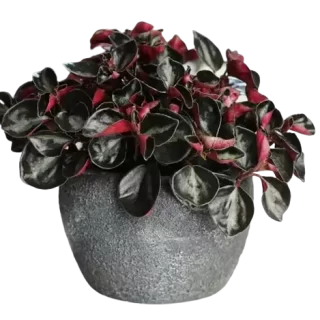
Original price was: ₹345.00.₹183.65Current price is: ₹183.65.Read moreSelling size:Well rooted plant in a jiffy bag The Columbian Peperomia (Peperomia metallica var. columbiana) is a visually striking and relatively low-maintenance houseplant. It is also sometimes sold as “Galaxy Peperomia,” a name that hints at its unique foliage. This plant is known for its beautiful, semi-succulent leaves that have a dark green or bronze-purple …
-
Golden Pothos
Original price was: ₹355.00.₹99.00Current price is: ₹99.00.Add to cartSelling size : Well rooted plant | 2.5″ pot included The Golden Pothos (Epipremnum aureum), also known as Devil’s Ivy, is one of the most popular and easiest houseplants to care for, making it an excellent choice for beginners. It’s a vining plant with heart-shaped leaves that are a vibrant green, often with splashes or …
-
Pellionia repens var. pulchra
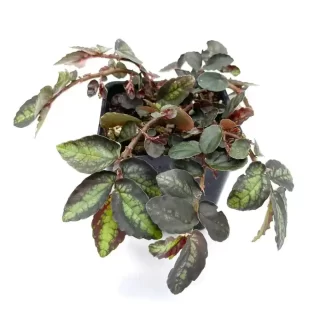
Original price was: ₹325.00.₹149.00Current price is: ₹149.00.Add to cartSelling size: Well rooted plant in a jiffy bag | Secure Packing The Pellionia repens var. pulchra, often called the Trailing Watermelon Begonia, is a beautiful and easy-to-care-for trailing plant. Its common name comes from the striking, patterned leaves that resemble the rind of a watermelon. Despite the name, it is not a true begonia …
-
Heliconia Variegated – Super Rare
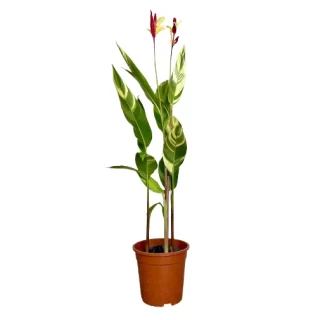
Original price was: ₹2,599.00.₹1,099.00Current price is: ₹1,099.00.Add to cartPlant size: Single plant | Pot Included | Free shipping The Variegated Heliconia (often a cultivar of Heliconia psittacorum, like ‘Lady Di’ or ‘Golden Torch’) is a striking tropical plant known for its banana-like leaves splashed with stripes of cream, yellow, or white. It is a demanding plant, requiring specific tropical conditions to thrive, especially …
-
Philodendron Mexicanum
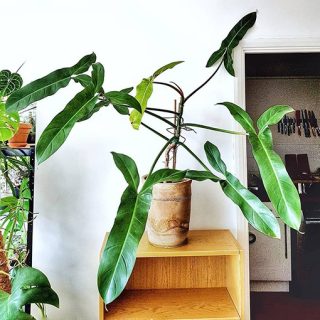
Original price was: ₹1,090.00.₹749.00Current price is: ₹749.00.Add to cartSelling size: Single Plant | Pot included The Philodendron mexicanum is a beautiful vining plant known for its long, arrow-shaped leaves with a striking deep maroon or reddish underside. As its name suggests, it is native to the tropical forests of Mexico. It’s a relatively easy-to-care-for plant, especially for those familiar with other vining philodendrons. …
-
Philodendron Burle Marx Plant
Original price was: ₹485.00.₹149.00Current price is: ₹149.00.Add to cartSelling size: Single plant | Pot Included | Secure Packing The Philodendron Burle Marx is a fantastic and relatively easy-to-care-for plant, known for its glossy, spade-shaped leaves and dense, clumping growth. It’s often recommended as a great choice for beginner houseplant owners. Here is a comprehensive care guide for your Philodendron Burle Marx: Light …


 If you need any assistance, I'm always here. Have you found what you were looking for?