
Pickle Plant, Kleinia Stapeliiformis, Candle Stick Plant
Price range: ₹99.00 through ₹149.00
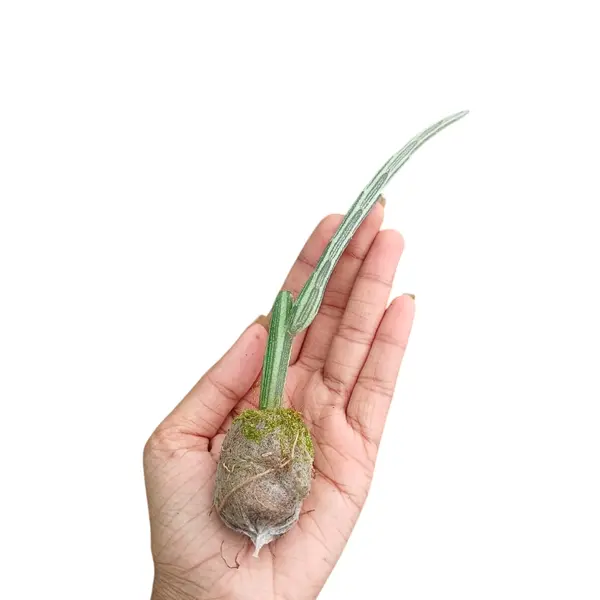
Selling Size : Single Plant | Pot Included | Secure Packing
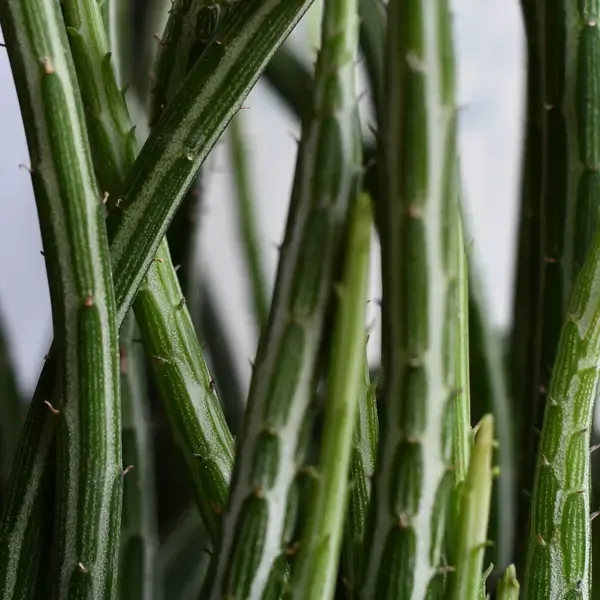
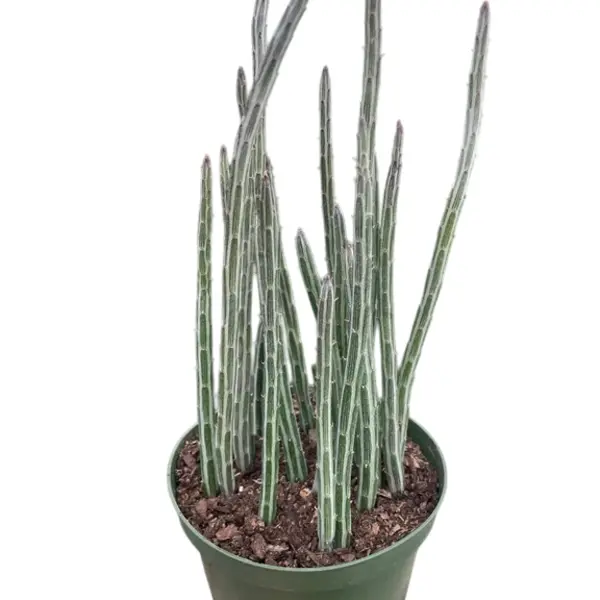
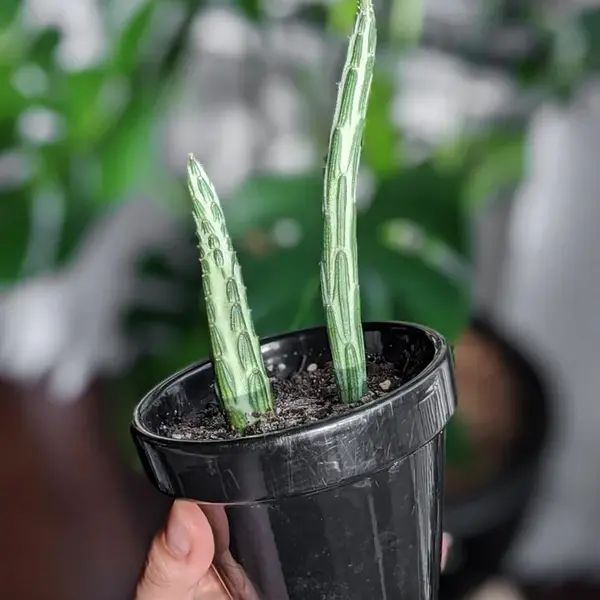
The Pickle Plant, scientifically known as Kleinia stapeliiformis (and sometimes referred to by its older name, Senecio stapeliiformis), is a unique succulent native to South Africa. Its segmented, cylindrical stems that resemble pickles or a candelabra have earned it the common names “Pickle Plant” and “Candle Stick Plant.” It is a relatively low-maintenance plant, making it a great choice for both beginners and experienced plant enthusiasts.
Here is a guide to caring for your Pickle Plant:
Light
- Bright is best: This succulent loves bright light. Place it in a location where it can receive several hours of direct sun, such as a south- or west-facing window.
- Avoid scorching: While it enjoys sun, be mindful of intense, direct afternoon sun, especially in hot climates, as this can cause the stems to get sunburned. In these conditions, some afternoon shade or filtered light is beneficial.
- Signs of insufficient light: If your plant isn’t getting enough light, it may become “leggy,” meaning the stems stretch out and become thin and spindly as they search for a light source. The stems may also lose their upright, architectural shape and start to flop over.
Watering
- Soak and dry: Like most succulents, the Pickle Plant is highly susceptible to root rot from overwatering. The best approach is to use the “soak and dry” method. Water the plant thoroughly, allowing excess water to drain completely from the bottom of the pot. Then, wait until the soil is completely dry before watering again.
- Drought-tolerant: The plant’s stems act as water reservoirs, allowing it to tolerate periods of drought. It’s better to underwater than to overwater.
- Seasonal changes: Water more frequently during the warmer growing season (spring and summer) and reduce watering significantly during the cooler, dormant season (fall and winter). You may only need to water once every few weeks in the winter.
Soil and Pot
- Well-draining is essential: A porous, fast-draining soil mix is crucial to prevent root rot. A specialized cactus or succulent mix works well. You can also create your own by mixing regular potting soil with materials like perlite, coarse sand, or pumice to improve drainage.
- Drainage holes: Always use a pot with drainage holes at the bottom. This ensures that excess water can escape and the roots aren’t sitting in soggy soil.
Temperature and Humidity
- Warm temperatures: This plant prefers warm temperatures, ideally between 65°F and 80°F (18°C and 27°C).
- Avoid frost: It is not frost-tolerant and should be brought indoors when temperatures drop below freezing.
- Low humidity: It is well-suited for a low-humidity environment, making it a great choice for most indoor settings.
Fertilizer
- Light feeder: The Pickle Plant is not a heavy feeder. You can fertilize it once a month during the growing season (spring and summer) using a balanced liquid fertilizer diluted to half strength, or a specialized succulent fertilizer.
- No fertilizer in dormancy: Do not fertilize the plant during its dormant period in the fall and winter.
Pickle Plant, Kleinia Stapeliiformis, Candle Stick Plant Other Care Tips
- Pruning: Pruning is not generally necessary, but you can trim leggy or damaged stems to encourage a bushier, more compact growth habit. You can use the cuttings for propagation.
- Propagation: The Pickle Plant is easy to propagate from stem cuttings. Simply take a healthy cutting, allow the cut end to “callous over” (dry out and form a scab) for a few days, and then plant it in well-draining soil. Keep the soil lightly moist until roots develop.
- Toxicity: It is not considered toxic to humans or pets, but it’s always a good practice to keep plants out of the reach of children and animals.
You must be logged in to post a review.
Related products
-
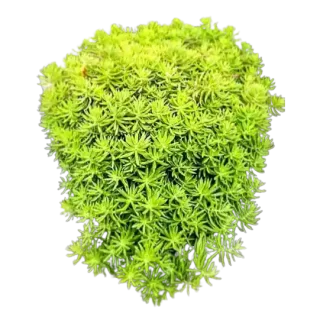
Golden Sedum Plant
Original price was: ₹549.00.₹349.00Current price is: ₹349.00.Add to cartSelling size: Well rooted plan | 2.5″ pot included The Golden Sedum (Sedum adolphii) is a popular succulent known for its bright, fleshy, evergreen leaves that can take on a beautiful golden-yellow or even reddish-pink tint in bright sun. It has a trailing or spreading growth habit, making it a great choice for hanging baskets, …
-
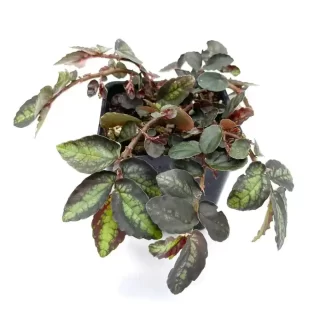
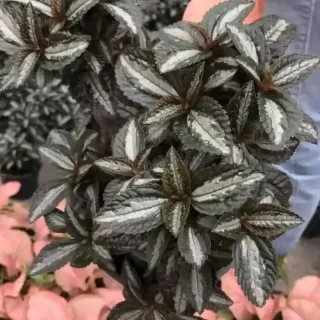
Pellionia repens var. pulchra
Original price was: ₹325.00.₹149.00Current price is: ₹149.00.Add to cartSelling size: Well rooted plant in a jiffy bag | Secure Packing The Pellionia repens var. pulchra, often called the Trailing Watermelon Begonia, is a beautiful and easy-to-care-for trailing plant. Its common name comes from the striking, patterned leaves that resemble the rind of a watermelon. Despite the name, it is not a true begonia …
-
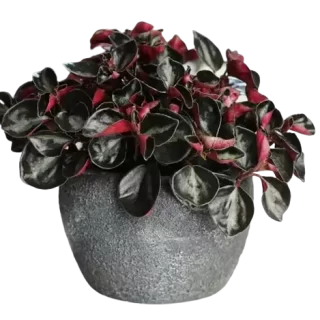
Columbian Peperomia (Galaxy pepperomia)
Original price was: ₹345.00.₹183.65Current price is: ₹183.65.Read moreSelling size:Well rooted plant in a jiffy bag The Columbian Peperomia (Peperomia metallica var. columbiana) is a visually striking and relatively low-maintenance houseplant. It is also sometimes sold as “Galaxy Peperomia,” a name that hints at its unique foliage. This plant is known for its beautiful, semi-succulent leaves that have a dark green or bronze-purple …
-
Black zz plant, Raven ZZ Plant
Price range: ₹99.00 through ₹499.00Select options This product has multiple variants. The options may be chosen on the product pageSelling size: Please Choose (Single – Bushy) | 2.5″-5” Pot Included | Secure Packing The Black ZZ Plant, or Raven ZZ Plant (Zamioculcas zamiifolia ‘Raven’), is a popular, exceptionally resilient houseplant known for its striking, nearly black foliage. It shares the easy-care nature of the standard green ZZ plant, making it perfect for beginners or …
-
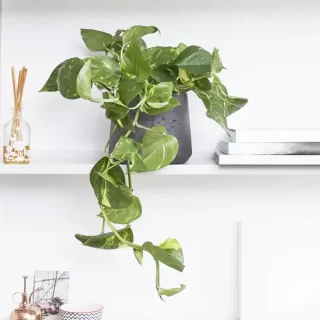
Golden Pothos
Original price was: ₹355.00.₹99.00Current price is: ₹99.00.Add to cartSelling size : Well rooted plant | 2.5″ pot included The Golden Pothos (Epipremnum aureum), also known as Devil’s Ivy, is one of the most popular and easiest houseplants to care for, making it an excellent choice for beginners. It’s a vining plant with heart-shaped leaves that are a vibrant green, often with splashes or …
-
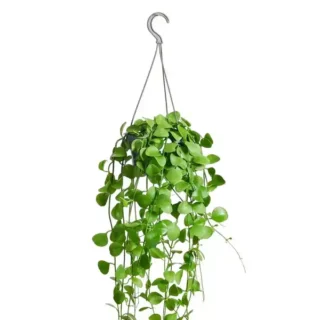
Dischidia Oiantha plant
Price range: ₹99.00 through ₹599.00Select options This product has multiple variants. The options may be chosen on the product pagePlant Size: Single plant | Secure Packing The Dischidia oiantha, often referred to as a “Hoya cousin,” is a charming, easy-to-care-for epiphyte with trailing vines and small, oval, succulent-like leaves. It’s a great choice for hanging baskets or for adding a touch of whimsy to a shelf. Here is a comprehensive guide to caring for …
-
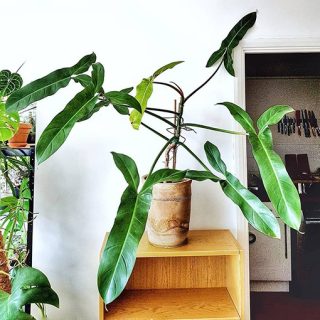
Philodendron Mexicanum
Original price was: ₹1,090.00.₹749.00Current price is: ₹749.00.Add to cartSelling size: Single Plant | Pot included The Philodendron mexicanum is a beautiful vining plant known for its long, arrow-shaped leaves with a striking deep maroon or reddish underside. As its name suggests, it is native to the tropical forests of Mexico. It’s a relatively easy-to-care-for plant, especially for those familiar with other vining philodendrons. …

 If you need any assistance, I'm always here. Have you found what you were looking for?
Reviews
There are no reviews yet.