
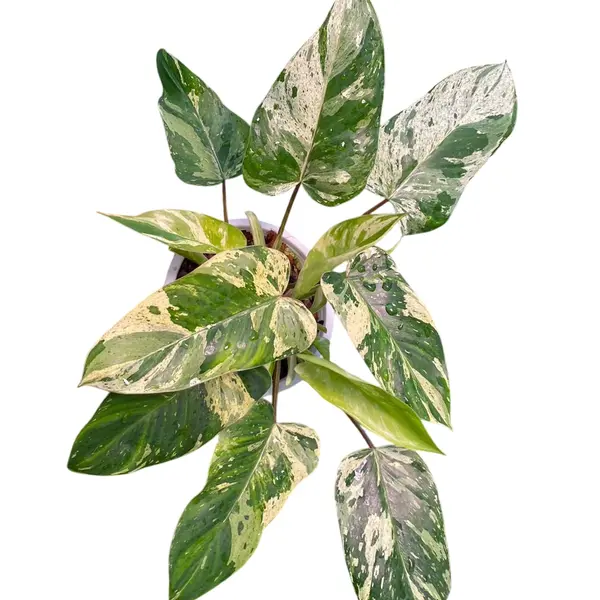
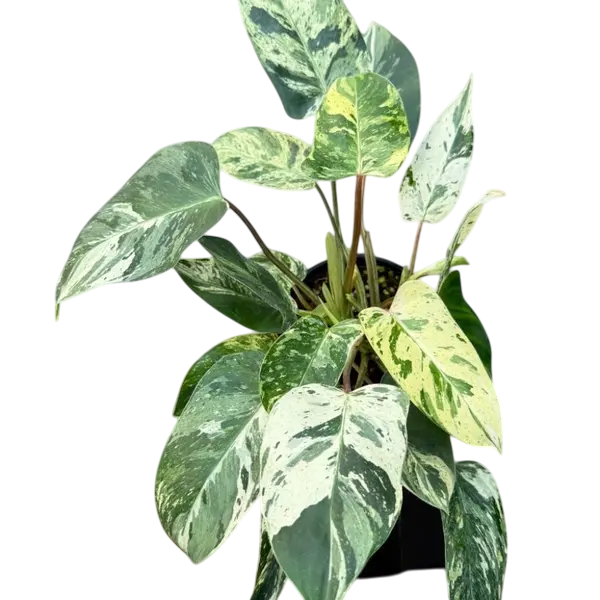
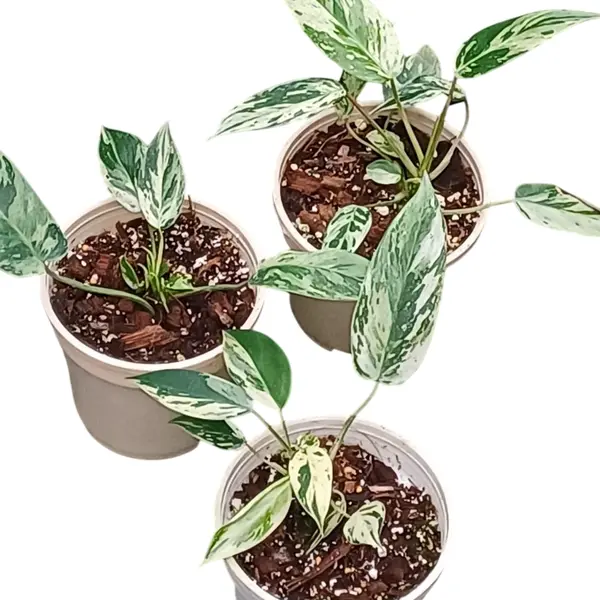
Philodendron Emerald Queen Variegated
Original price was: ₹4,999.00.₹2,499.00Current price is: ₹2,499.00.
Selling Size : Single Plant | Pot Included | Secure Packing | Free Delivery
Philodendron Emerald Queen Variegated is a stunning, rare aroid known for its broad, glossy leaves featuring beautiful creamy-yellow and lime-green variegation. This plant is admired for its elegant upright growth habit, strong stems, and the luxurious tropical look it adds to any indoor space. Although relatively easy to grow compared to many variegated philodendrons, it still needs proper care to maintain stable variegation, healthy roots, and lush foliage. Below is a detailed guide to help this plant thrive in Indian home conditions.
Philodendron Emerald Queen Variegated – Complete Care Guide :
1. Light Requirements
Light is the most critical factor for maintaining variegation in Emerald Queen. Provide bright, indirect light for 6–8 hours daily. Variegated leaves have less chlorophyll, so low light will cause the plant to turn more green and grow slower. Place it near an east or north-facing window, or use a sheer curtain if kept in a brighter south-facing area. Avoid harsh afternoon sunlight, which can burn the lighter patches. Grow lights can also be used for 10–12 hours daily if natural light is insufficient.
2. Temperature and Humidity
This philodendron prefers warm, tropical conditions similar to its natural habitat. Maintain temperatures between 20–32°C. It can tolerate heat but struggles below 15°C. High humidity helps maintain vibrant leaves and supports faster growth. Ideal humidity levels are 60–70%. Use a humidifier, pebble tray, or keep the plant near other plants to increase ambient moisture. Ensure good air circulation to avoid fungal issues.
3. Watering Needs
Philodendron Emerald Queen Variegated dislikes soggy soil. Water only when the top 2–3 cm of soil feels dry. Overwatering can quickly lead to root rot, while underwatering causes droopy, crispy leaves. Typically, watering once every 4–7 days works in tropical climates, but it depends on pot size, soil mix, and indoor temperature. Use room-temperature water and water thoroughly until excess drains out of the pot.
4. Soil Mix
A well-draining, chunky aroid mix is ideal. Use:
-
40% cocopeat or peat moss
-
20% perlite or pumice
-
20% orchid bark
-
10% charcoal
-
10% compost or worm castings
This mixture provides moisture retention without waterlogging, aerates the roots, and promotes steady growth. Activated charcoal helps prevent root infections and keeps the soil fresh.
5. Pot and Repotting
Choose a pot with several drainage holes to prevent standing water. Philodendrons prefer slightly snug pots, but once roots grow out of the drainage holes or the soil breaks down, repot every 12–18 months. Repotting encourages healthy new growth and improves nutrient uptake. Use a pot one size larger, avoiding oversized pots that hold too much moisture.
6. Fertilizing
To maintain strong variegation and lush leaves, feed the plant regularly during the growing season (March to October). Use a balanced liquid fertilizer (NPK 10-10-10 or 20-20-20) at half strength once every 15–20 days. Organic options like seaweed extract, humic acid, and vermicompost tea also work well. Avoid over-fertilizing, as it causes leaf burn and salt buildup in the soil.
7. Pruning and Maintenance
Prune dead, yellow, or damaged leaves regularly to maintain cleanliness and airflow. If the plant grows leggy or loses variegation on certain vines, prune back to a node with strong variegation. Wipe leaves monthly with a damp cloth to remove dust and improve photosynthesis.
8. Support and Growth Habit
Philodendron Emerald Queen Variegated grows more vigorously when trained on a moss pole or coco pole. Climbing support helps the leaves grow bigger, the stems become sturdier, and the variegation stabilizes.
9. Pests and Diseases
Common pests include mealybugs, thrips, aphids, and spider mites. Inspect the undersides of leaves weekly. As a preventive measure, spray neem oil (5 ml per litre) once every 10–15 days. Ensure good ventilation and avoid overwatering to prevent root rot, bacterial spots, and fungal infections.
10. Propagation
Propagation is best done through stem cuttings. Choose a healthy node with visible variegation, cut below the node, and root in water or a moist aroid mix. Keep the cutting in bright, indirect light and high humidity.
11. General Tips
-
Rotate the pot weekly for even growth.
-
Avoid letting the plant sit in water-filled trays.
-
Protect from cold drafts and dry air.
-
Use filtered or stored water if possible to avoid mineral buildup.
Related products
-
String Of Nickels (Dischidia nummularia)
Price range: ₹99.00 through ₹599.00Select options This product has multiple variants. The options may be chosen on the product pageSelling size: Well rooted plant in a Jiffy bag The Dischidia nummularia, commonly known as the String of Nickels or Button Orchid, is a delightful and easy-to-care-for trailing epiphyte. Its common name comes from its small, round, coin-shaped leaves that densely cover its long, slender stems. As a relative of the Hoya, it shares a similar …
-
Chlorophytum Spider Live Plant
Original price was: ₹249.00.₹99.00Current price is: ₹99.00.Add to cartSelling size: Well rooted Single plant | 2.5″ Pot included Chlorophytum Spider, also the Spider Plant is an impressive houseplant which is the perfect plant for any beginner. A NASA certified air purifier, its long, green foliage with white variegations look good in both hanging planters and as desktop setups. In favourable conditions, it blooms …
-
Philodendron ‘Prince of Orange’
Price range: ₹199.00 through ₹620.00Select options This product has multiple variants. The options may be chosen on the product pageSelling Size : Single Plant | Pot Included | Secure Packing The Philodendron ‘Prince of Orange’ is a stunning and popular hybrid known for its vibrant, ever-changing leaf colors. New leaves emerge as a brilliant orange or coppery color, and as they mature, they transition to a lime green, then a deep, glossy green. It …
-
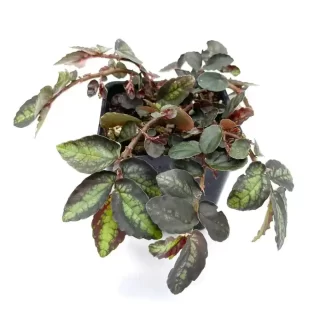
Pellionia repens var. pulchra
Original price was: ₹325.00.₹149.00Current price is: ₹149.00.Add to cartSelling size: Well rooted plant in a jiffy bag | Secure Packing The Pellionia repens var. pulchra, often called the Trailing Watermelon Begonia, is a beautiful and easy-to-care-for trailing plant. Its common name comes from the striking, patterned leaves that resemble the rind of a watermelon. Despite the name, it is not a true begonia …
-
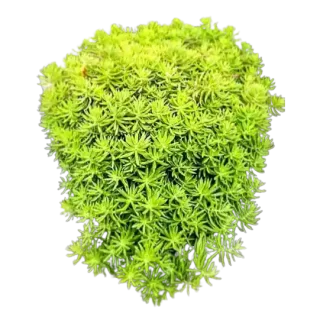
Golden Sedum Plant
Original price was: ₹549.00.₹349.00Current price is: ₹349.00.Add to cartSelling size: Well rooted plan | 2.5″ pot included The Golden Sedum (Sedum adolphii) is a popular succulent known for its bright, fleshy, evergreen leaves that can take on a beautiful golden-yellow or even reddish-pink tint in bright sun. It has a trailing or spreading growth habit, making it a great choice for hanging baskets, …
-
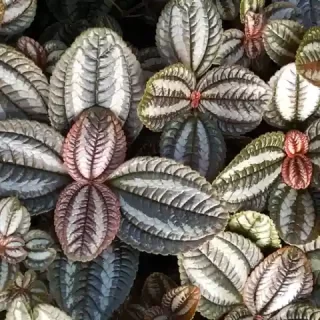
Pilea involucrata ‘Norfolk’ – Friendship Plant
Original price was: ₹450.00.₹199.00Current price is: ₹199.00.Add to cartSize: Single Plant | 2.5″ Pot Included | Free Shipping The Pilea involucrata ‘Norfolk’, commonly known as the Friendship Plant, is a delightful houseplant celebrated for its unique, velvety, quilted foliage. The leaves have a rich texture and a beautiful color palette, with deep green and bronze tones on the upper surface and a reddish-purple …
-
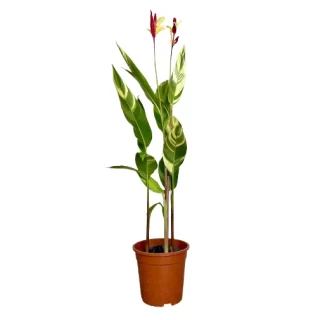
Heliconia Variegated – Super Rare
Original price was: ₹2,599.00.₹1,099.00Current price is: ₹1,099.00.Add to cartPlant size: Single plant | Pot Included | Free shipping The Variegated Heliconia (often a cultivar of Heliconia psittacorum, like ‘Lady Di’ or ‘Golden Torch’) is a striking tropical plant known for its banana-like leaves splashed with stripes of cream, yellow, or white. It is a demanding plant, requiring specific tropical conditions to thrive, especially …
-
Philodendron Xanadu
Original price was: ₹450.00.₹199.00Current price is: ₹199.00.Add to cartSelling size:Well rooted plant | 2.5″ Pot Included | Secure Packing The Philodendron Xanadu, now officially classified as Thaumatophyllum xanadu, is a fantastic and relatively easy-to-care-for houseplant. It’s known for its compact, bushy growth habit and deeply lobed, glossy green leaves that give it a sophisticated, tropical look. Here is a complete guide to caring …



 If you need any assistance, I'm always here. Have you found what you were looking for?