
Colocasia Pharoph Mask
Original price was: ₹1,499.00.₹749.00Current price is: ₹749.00.
Selling Part : A Rhizome | Secure Paking | Free Shipping
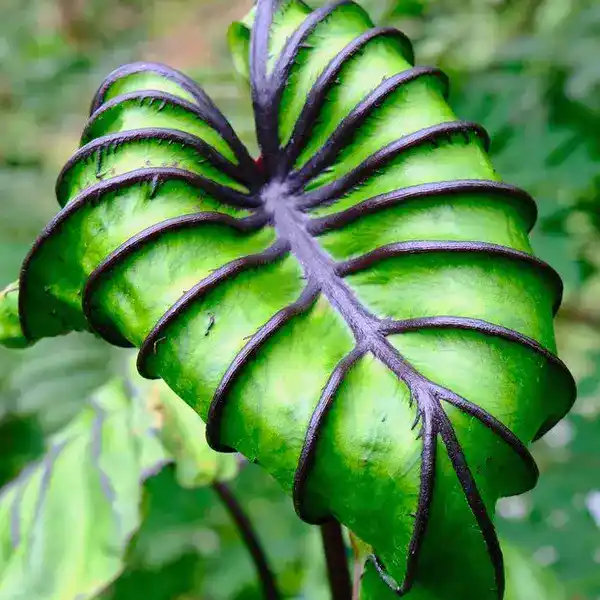
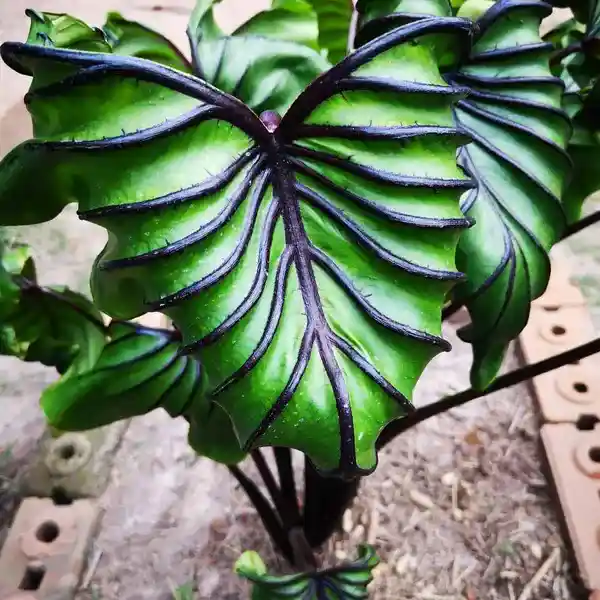
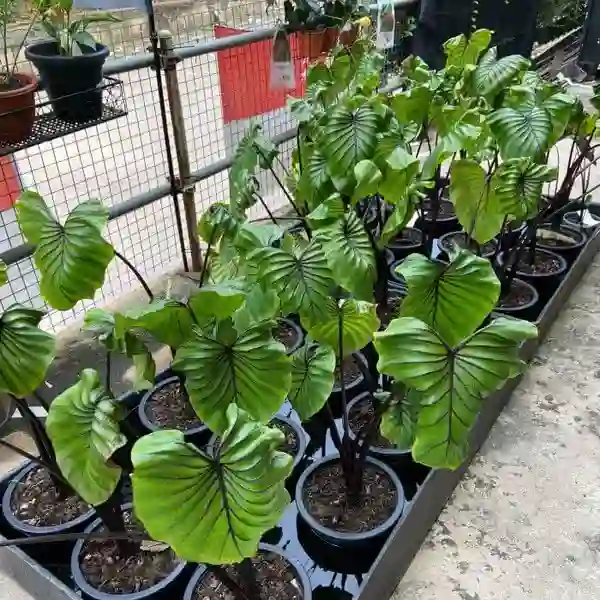
Colocasia Pharoph Mask is one of the most dramatic and visually striking elephant ear varieties. Known for its glossy green leaves with deep purple to nearly black raised veins, this plant creates a unique 3D effect that looks sculpted and exotic. Its upright, bold foliage makes it perfect for tropical gardens, landscaping, water features, or interior decorative spaces. Although it appears luxurious and rare, Colocasia ‘Pharaoh’s Mask’ grows well when given the right care. Here is a complete 600-word guide to help you maintain a healthy, thriving plant.
Colocasia Pharoph Mask Care Guide :
Light Requirements
Colocasia ‘Pharaoh’s Mask’ prefers bright, indirect light to partial shade. Outdoors, the ideal spot is one that receives gentle morning sunlight and filtered light for the rest of the day. Avoid intense afternoon sun, which can scorch the leaf edges and dull the deep purple veins. Indoors, place the plant near an east-facing window or a bright corner with plenty of indirect light. If grown in very low light, the plant may lose vigor, and the signature raised veins may become less pronounced.
Watering and Humidity
This Colocasia thrives in consistently moist soil, similar to its natural tropical habitat. Keep the soil evenly moist at all times but avoid waterlogging. Overwatering without proper drainage can cause root rot, one of the most common problems in elephant ear plants. Check the top layer of soil—if it feels slightly dry, it’s time to water.
Humidity is equally important. Colocasia ‘Pharaoh’s Mask’ prefers high humidity above 60%. Dry air can cause leaf curling, brown edges, or reduced growth. To increase humidity, mist regularly, use a humidifier, or place the plant near other tropical plants. A pebble tray filled with water under the pot also helps boost moisture levels.
Soil Requirements
Choose a rich, aerated, and moisture-retentive soil mix. This allows the plant to stay hydrated while also preventing standing water. A good soil blend includes:
-
40% coco peat
-
30% compost or cow manure
-
20% perlite
-
10% garden soil
This mix supports strong growth and prevents soil compaction. Colocasia prefers slightly acidic to neutral soil (pH 6–7).
Temperature Needs
Colocasia ‘Pharaoh’s Mask’ grows best in warm conditions ranging from 20–32°C. It is not tolerant to cold or frost. If temperatures fall below 15°C, the plant may slow down, wilt, or enter dormancy. In colder climates, shift the plant indoors or protect it from cold drafts. Maintaining a stable warm environment ensures continuous leaf production and maintains the plant’s color and texture.
Fertilizer Requirements
To maintain its eye-catching foliage, Colocasia ‘Pharaoh’s Mask’ needs regular feeding. During the growing season—spring, summer, and monsoon—use a balanced liquid fertilizer such as 20-20-20 or 19-19-19 every 15 days. This supports large, glossy leaves and strong stems. Organic options like vermicompost, fish emulsion, seaweed extract, and compost tea can be used monthly for healthy soil enrichment. Reduce fertilizer during winter, when the plant’s growth slows.
Repotting
Repot every 1–2 years or when the plant outgrows its pot. Choose a container that is 2–3 inches wider than the previous one and ensure it has proper drainage holes. Fresh soil during repotting helps improve aeration and gives the plant space to expand its rhizomes.
Pruning and Maintenance
Regular maintenance keeps the plant looking stunning. Remove aged, yellow, or damaged leaves to encourage new growth. Wipe the leaf surface with a damp cloth occasionally; this enhances its natural shine and improves photosynthesis. Keep the plant in a location with good airflow to prevent fungal issues.
Pests and Diseases
Common pests include:
-
Spider mites
-
Mealybugs
-
Aphids
These pests suck plant sap and weaken growth. Treat infestations with neem oil, mild soapy water, or organic insecticides applied weekly until resolved. Overwatering can lead to root rot, so proper drainage is essential. Fungal spots may also appear in highly humid but poorly ventilated spaces—ensure good airflow.
Propagation
Propagate Colocasia ‘Pharaoh’s Mask’ through rhizome division. When repotting, look for offsets or small baby tubers attached to the main rhizome. Separate them carefully and plant in moist soil. Keep the soil consistently hydrated, and new shoots will appear within a few weeks.
Conclusion
Colocasia ‘Pharaoh’s Mask’ is a true showstopper and one of the most distinctive elephant ear varieties available. With its sculpted leaves and rich colors, it adds a royal, dramatic touch to any garden or indoor space. Provide it with warmth, humidity, rich soil, and partial shade, and this exotic plant will reward you with lush, architectural foliage throughout the year.
You must be logged in to post a review.
Related products
-
Pilea Repens, Black Panamiga
Original price was: ₹280.00.₹149.00Current price is: ₹149.00.Add to cartSize: Single Plant | Jiffy Bag Caring for a Pilea Ripens (also known as Black Panamiga) involves understanding its specific needs to ensure it thrives. Here’s a breakdown of Pilea Repens, Black Panamiga key care aspects: Key Care Points: Light: Pilea repens prefers bright, indirect sunlight. Direct sunlight can scorch its leaves. Rotating the plant …
-
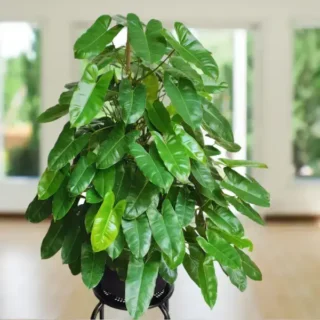
Philodendron Burle Marx Plant
Original price was: ₹485.00.₹149.00Current price is: ₹149.00.Add to cartSelling size: Single plant | Pot Included | Secure Packing The Philodendron Burle Marx is a fantastic and relatively easy-to-care-for plant, known for its glossy, spade-shaped leaves and dense, clumping growth. It’s often recommended as a great choice for beginner houseplant owners. Here is a comprehensive care guide for your Philodendron Burle Marx: Light …
-
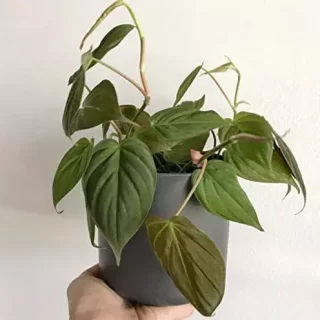
Philodendron Mican plant
Original price was: ₹650.00.₹99.00Current price is: ₹99.00.Add to cartSelling size: A well rooted plant | 2.5″ Pot Included The Philodendron Micans (Philodendron hederaceum ‘Micans’), also known as the Velvet-Leaf Philodendron, is a popular, easy-care trailing or climbing houseplant prized for its unique, velvety, heart-shaped leaves that emerge a beautiful chartreuse/pink and mature to a deep, iridescent, bronze-green with hints of purple. Here is …
-
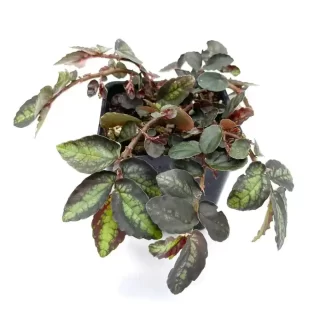
Pellionia repens var. pulchra
Original price was: ₹325.00.₹149.00Current price is: ₹149.00.Add to cartSelling size: Well rooted plant in a jiffy bag | Secure Packing The Pellionia repens var. pulchra, often called the Trailing Watermelon Begonia, is a beautiful and easy-to-care-for trailing plant. Its common name comes from the striking, patterned leaves that resemble the rind of a watermelon. Despite the name, it is not a true begonia …
-
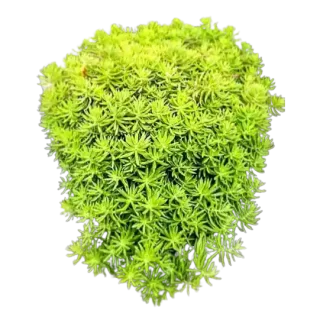
Golden Sedum Plant
Original price was: ₹549.00.₹349.00Current price is: ₹349.00.Add to cartSelling size: Well rooted plan | 2.5″ pot included The Golden Sedum (Sedum adolphii) is a popular succulent known for its bright, fleshy, evergreen leaves that can take on a beautiful golden-yellow or even reddish-pink tint in bright sun. It has a trailing or spreading growth habit, making it a great choice for hanging baskets, …
-
Chlorophytum Spider Live Plant
Original price was: ₹249.00.₹99.00Current price is: ₹99.00.Add to cartSelling size: Well rooted Single plant | 2.5″ Pot included Chlorophytum Spider, also the Spider Plant is an impressive houseplant which is the perfect plant for any beginner. A NASA certified air purifier, its long, green foliage with white variegations look good in both hanging planters and as desktop setups. In favourable conditions, it blooms …
-
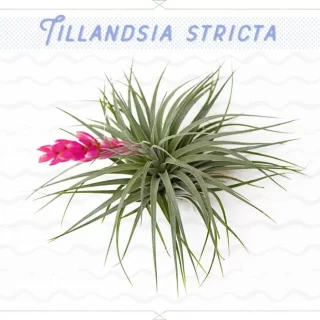
Tillandsia Stricta (Air plant)
Original price was: ₹400.00.₹199.00Current price is: ₹199.00.Add to cartSelling size: Single plant | Secure Packing The Tillandsia Stricta (Air plant) is one of the most popular and adaptable species of air plants, known for its soft, green-silver foliage and beautiful blooms. Like all air plants, it is epiphytic, meaning it absorbs all its water and nutrients through its leaves from the air, not …
-
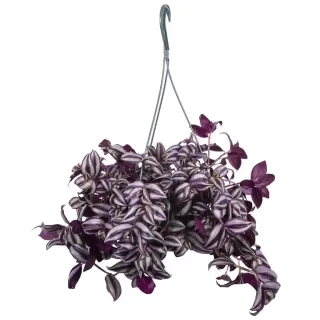
Wandering Jew Plant
Original price was: ₹305.00.₹149.00Current price is: ₹149.00.Add to cartSelling size: This plant comes in a 2.5″ Square pot The Wandering Jew Plant, also known as the Tradescantia! They’re such vibrant and easy-to-love plants. To keep yours thriving, here’s a rundown of Wandering Jew Plant care needs: Light: They absolutely love bright, indirect sunlight. Think of a spot near an east- or west-facing window …

 If you need any assistance, I'm always here. Have you found what you were looking for?
Reviews
There are no reviews yet.