
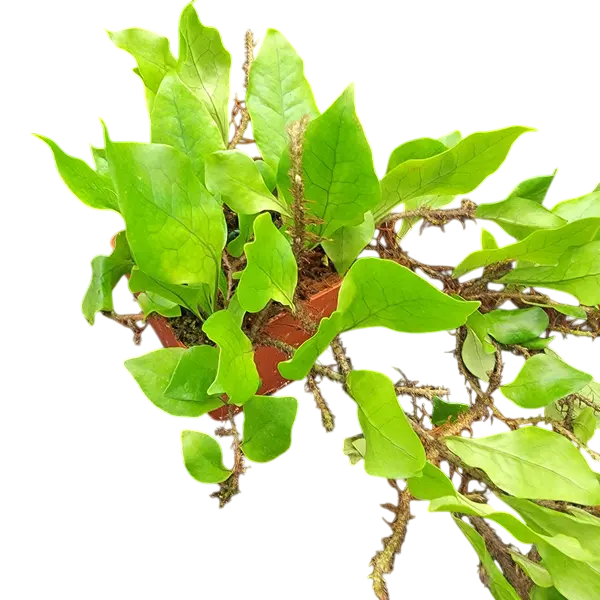
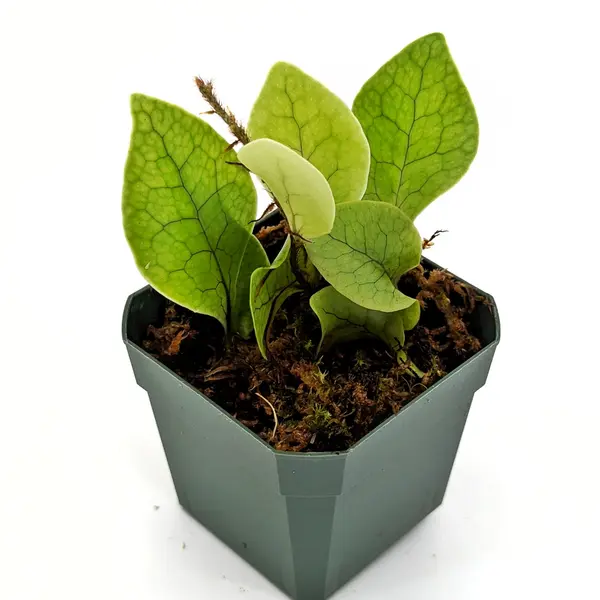
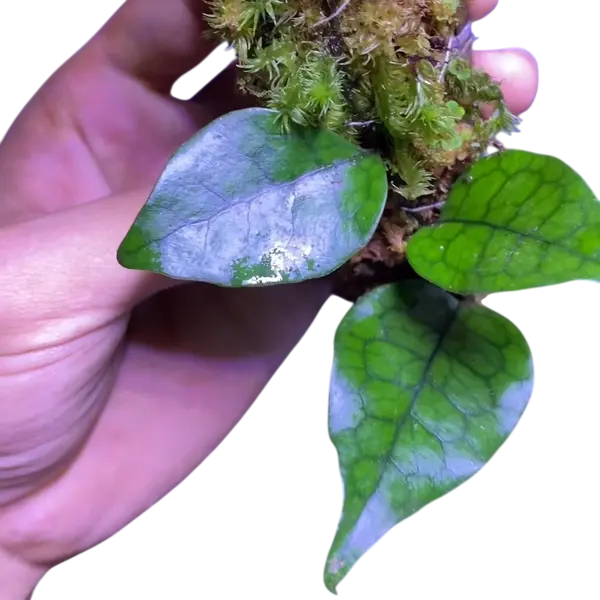
Microsorum linguiforme
₹1.00
Out of stock
Email when stock available
Selling Size : Single Plant | Secure Packing | Free Delivery
Microsorum linguiforme, commonly known as the Tongue Fern, is an elegant epiphytic fern valued for its long, narrow, tongue-shaped fronds and natural tropical appearance. Native to Southeast Asia and parts of the Pacific, this fern is often found growing on trees or rocks in humid forests. Its unique growth habit and minimalistic foliage make it an excellent choice for indoor jungles, terrariums, and mounted plant displays.
Microsorum linguiforme Care Guide :
Light Requirements
Microsorum linguiforme thrives in bright, indirect light but is also tolerant of medium-light conditions. In its natural habitat, it grows under forest canopies where sunlight is filtered through layers of foliage. Indoors, place it near an east- or north-facing window, or a few steps away from brighter windows with sheer curtains.
Direct sunlight should be avoided, as it can scorch the delicate fronds and cause browning or crisp edges. In very low light, growth may slow, and fronds may become thinner or elongated. For best results, provide steady, diffused light throughout the day.
Watering
Consistent moisture is essential for this fern, but overwatering must be avoided. Water when the top 2–3 cm of the growing medium feels slightly dry. The roots and rhizomes should never sit in soggy soil, as this can quickly lead to rot.
If grown in a pot, ensure excellent drainage. If mounted or grown on bark, the plant may need more frequent watering or misting to prevent dehydration. Use room-temperature water and water gently around the base to keep the rhizome healthy.
Soil and Growing Medium
Microsorum linguiforme prefers a loose, airy, and well-draining medium. A mix of coco peat or peat moss, orchid bark, perlite, and a small amount of compost works well. This mimics the natural epiphytic environment, allowing moisture retention while maintaining airflow.
When potting, keep the rhizome slightly above the soil surface rather than buried, as burying it can cause rot. Shallow pots or wide containers are ideal for this fern’s creeping growth habit.
Temperature and Humidity
This tropical fern thrives in warm temperatures between 18–30°C. It does not tolerate cold well and should be protected from temperatures below 15°C, cold drafts, or direct air from fans and air conditioners.
High humidity is crucial for lush, healthy fronds. Aim for 60–80% humidity. In dry indoor environments, consider using a humidifier, pebble tray, or placing the fern in a naturally humid room such as a bathroom with good light. Consistent humidity helps prevent leaf tip browning and frond deformation.
Fertilization
Microsorum linguiforme is a light feeder. Apply a balanced liquid fertilizer diluted to one-quarter or half strength every 3–4 weeks during the growing season (spring and summer). Excess fertilizer can damage the roots and cause leaf burn.
Reduce or stop feeding during autumn and winter when growth slows. Organic options such as seaweed extract or vermicompost tea are also suitable in small amounts.
Pruning and Maintenance
Remove yellowing, damaged, or old fronds regularly to encourage new growth and maintain a tidy appearance. Use clean, sharp scissors to prevent disease spread. Gently wipe fronds with a damp cloth to remove dust and improve photosynthesis.
Brown spots on the underside of mature fronds are often spores, a normal and healthy part of fern reproduction, and should not be mistaken for disease.
Pests and Common Problems
This fern is generally pest-resistant but may occasionally attract scale insects, mealybugs, or spider mites, especially in low humidity conditions. Regular inspection helps catch issues early. Treat pests with neem oil or insecticidal soap, and increase humidity to prevent recurrence.
Crispy leaf tips usually indicate low humidity or underwatering, while yellowing fronds may be a sign of overwatering or poor drainage.
Final Thoughts
Microsorum linguiforme is a graceful, low-maintenance fern that brings a natural rainforest feel to indoor spaces. With filtered light, consistent moisture, warm temperatures, and high humidity, this unique fern will thrive and reward growers with elegant, flowing foliage throughout the year.
Related products
-
Pilea Repens, Black Panamiga
Original price was: ₹280.00.₹149.00Current price is: ₹149.00.Add to cartSize: Single Plant | Jiffy Bag Caring for a Pilea Ripens (also known as Black Panamiga) involves understanding its specific needs to ensure it thrives. Here’s a breakdown of Pilea Repens, Black Panamiga key care aspects: Key Care Points: Light: Pilea repens prefers bright, indirect sunlight. Direct sunlight can scorch its leaves. Rotating the plant …
-
Black zz plant, Raven ZZ Plant
Price range: ₹99.00 through ₹499.00Select options This product has multiple variants. The options may be chosen on the product pageSelling size: Please Choose (Single – Bushy) | 2.5″-5” Pot Included | Secure Packing The Black ZZ Plant, or Raven ZZ Plant (Zamioculcas zamiifolia ‘Raven’), is a popular, exceptionally resilient houseplant known for its striking, nearly black foliage. It shares the easy-care nature of the standard green ZZ plant, making it perfect for beginners or …
-
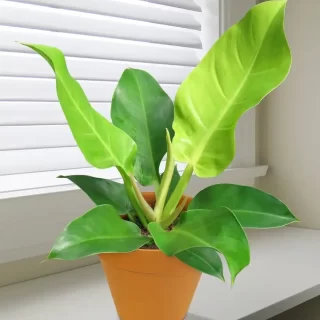
Philodendron Moonshine
Original price was: ₹1,250.00.₹249.00Current price is: ₹249.00.Add to cartSelling size: Single plant | Pot included | Secure Packing The Philodendron Moonshine (often also called ‘Moonlight’) is a popular hybrid known for its vibrant, almost glowing, chartreuse-colored leaves. It has an upright, self-heading growth habit, so unlike many vining philodendrons, it doesn’t need a trellis or pole. Here is a comprehensive guide to caring …
-
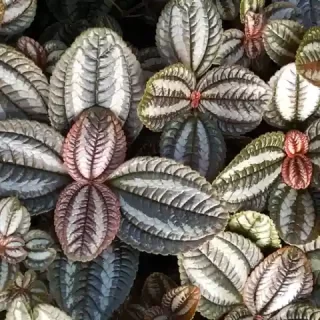
Pilea involucrata ‘Norfolk’ – Friendship Plant
Original price was: ₹450.00.₹199.00Current price is: ₹199.00.Add to cartSize: Single Plant | 2.5″ Pot Included | Free Shipping The Pilea involucrata ‘Norfolk’, commonly known as the Friendship Plant, is a delightful houseplant celebrated for its unique, velvety, quilted foliage. The leaves have a rich texture and a beautiful color palette, with deep green and bronze tones on the upper surface and a reddish-purple …
-
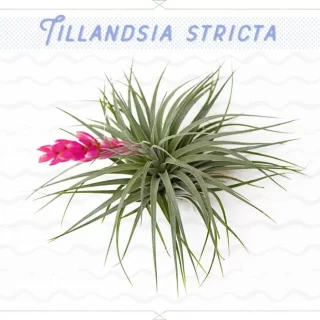
Tillandsia Stricta (Air plant)
Original price was: ₹400.00.₹199.00Current price is: ₹199.00.Add to cartSelling size: Single plant | Secure Packing The Tillandsia Stricta (Air plant) is one of the most popular and adaptable species of air plants, known for its soft, green-silver foliage and beautiful blooms. Like all air plants, it is epiphytic, meaning it absorbs all its water and nutrients through its leaves from the air, not …
-
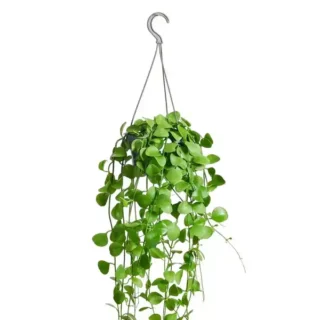
Dischidia Oiantha plant
Price range: ₹99.00 through ₹599.00Select options This product has multiple variants. The options may be chosen on the product pagePlant Size: Single plant | Secure Packing The Dischidia oiantha, often referred to as a “Hoya cousin,” is a charming, easy-to-care-for epiphyte with trailing vines and small, oval, succulent-like leaves. It’s a great choice for hanging baskets or for adding a touch of whimsy to a shelf. Here is a comprehensive guide to caring for …
-
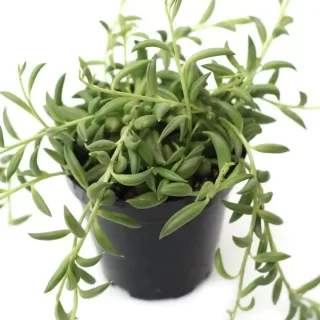
String of Bananas
Original price was: ₹450.00.₹249.00Current price is: ₹249.00.Add to cartSelling size: Mentioned in last Picture | Secure Packing The String of Bananas (Curio radicans or Senecio radicans) is a charming trailing succulent known for its long, cascading stems covered in plump, banana-shaped leaves. It’s a popular choice for hanging baskets and is generally easy to care for, especially for those who are new …
-
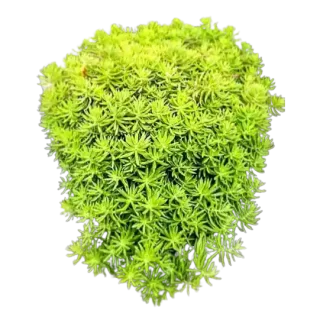
Golden Sedum Plant
Original price was: ₹549.00.₹349.00Current price is: ₹349.00.Add to cartSelling size: Well rooted plan | 2.5″ pot included The Golden Sedum (Sedum adolphii) is a popular succulent known for its bright, fleshy, evergreen leaves that can take on a beautiful golden-yellow or even reddish-pink tint in bright sun. It has a trailing or spreading growth habit, making it a great choice for hanging baskets, …

 If you need any assistance, I'm always here. Have you found what you were looking for?