
Medinilla Magnifica
Original price was: ₹2,169.00.₹1,799.00Current price is: ₹1,799.00.
Out of stock
Email when stock available
Selling Size : Single Plant | Pot Included | Secure Packing
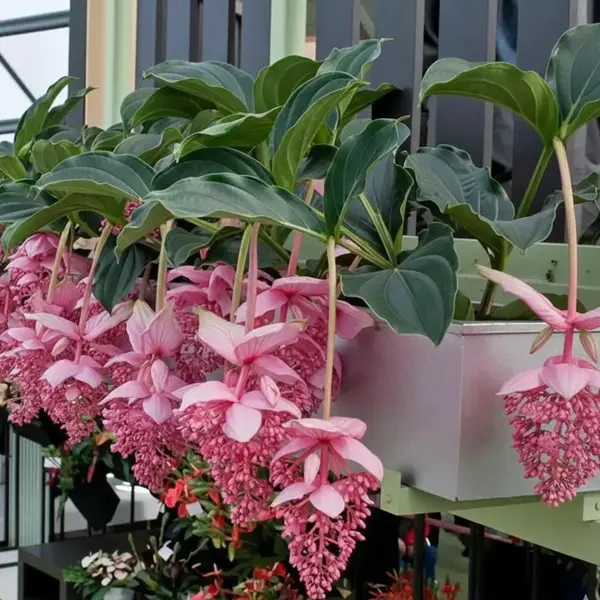
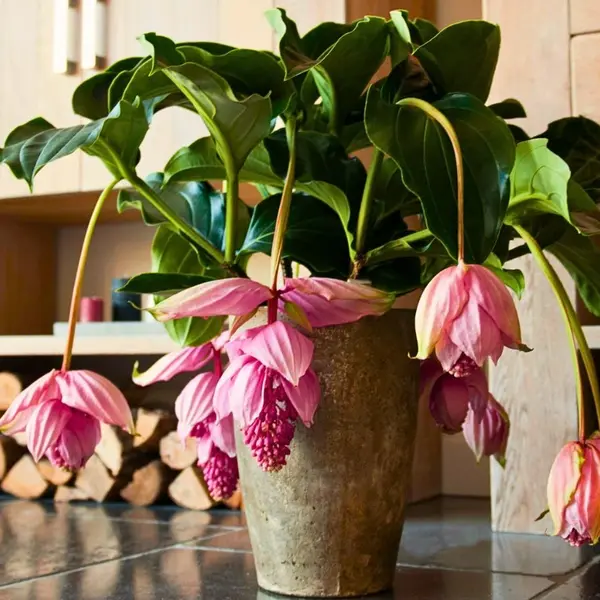
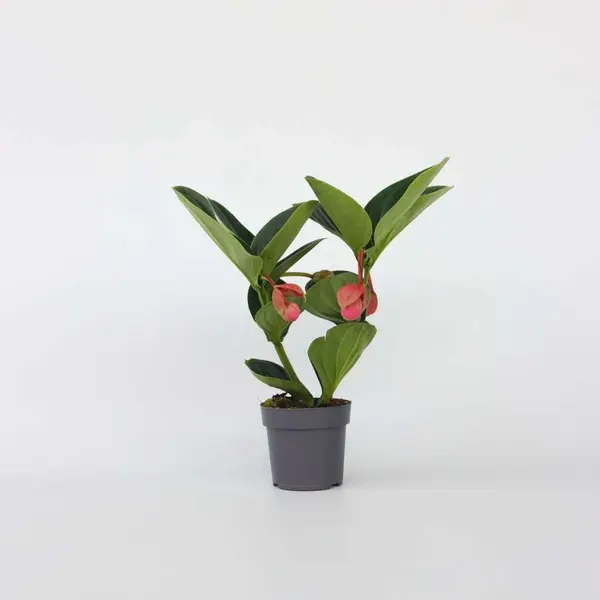
Medinilla magnifica is a stunning tropical flowering plant admired for its large, glossy green leaves and dramatic cascading clusters of pink flowers. Often called the “Rose Grape” or “Showy Medinilla,” this plant is native to the Philippines and is considered a true statement plant for bright indoor spaces, conservatories, and shaded tropical gardens. Although Medinilla magnifica needs a little more attention than common houseplants, the reward is breathtaking blooms and lush foliage. Below is a detailed care guide to help your Medinilla thrive.
Medinilla Magnifica Plant Care Guide :
Light Requirements
Medinilla magnifica prefers bright, filtered light. In its natural habitat, it grows under tree canopies where it receives plenty of light without direct sun. Place the plant near an east- or north-facing window indoors, or in a well-lit room with sheer curtains. Direct sunlight, especially harsh afternoon sun, can scorch the leaves and fade flower bracts.
Too little light may result in weak growth and lack of flowering. Aim for bright indirect light throughout the day for best bloom production.
Watering
Consistent and careful watering is essential for Medinilla magnifica. The soil should be kept evenly moist but never soggy. Water when the top 3–4 cm of the potting mix feels slightly dry. During active growth and flowering, water more frequently, but always allow excess water to drain away.
Use room-temperature water, preferably rainwater or filtered water, as Medinilla is sensitive to salts and chemicals found in hard water. Overwatering can cause root rot, while underwatering may lead to drooping leaves and flower drop.
Soil and Potting
Medinilla requires a rich, well-draining, and slightly acidic soil mix. A suitable mix can be made using peat moss or coco peat, orchid bark, perlite, and a small amount of compost. This combination ensures good moisture retention while maintaining excellent drainage and airflow to the roots.
Choose a pot with good drainage holes. Medinilla does not like frequent repotting, so repot only every 2–3 years or when roots clearly outgrow the container. Repotting is best done after flowering has finished.
Temperature and Humidity
Being a tropical plant, Medinilla magnifica thrives in warm temperatures between 18–30°C. Avoid temperatures below 15°C, as cold conditions can stress the plant and stop flowering. Keep it away from cold drafts, air conditioners, and sudden temperature changes.
High humidity is crucial for healthy growth and blooms. Aim for 60–80% humidity. In dry indoor environments, increase humidity by misting lightly around the plant, using a humidifier, or placing the pot on a pebble tray filled with water. Avoid misting flowers directly.
Fertilizing
Feed Medinilla magnifica regularly during the growing and flowering season. Use a balanced liquid fertilizer or a bloom-boosting fertilizer diluted to half strength every 2–3 weeks. Once flowering ends, reduce feeding frequency and stop fertilizing during the dormant period.
Over-fertilizing can cause salt buildup in the soil, leading to leaf burn and reduced flowering.
Pruning and Maintenance
After flowering, prune spent flower stalks and lightly trim leggy growth to maintain shape. Pruning encourages healthier growth and prepares the plant for the next flowering cycle. Remove any yellow or damaged leaves to keep the plant neat.
Medinilla dislikes being moved frequently, especially when in bud or bloom, so choose its location carefully and keep it stable.
Common Problems
-
No flowers: Usually caused by low light, low humidity, or temperature stress.
-
Yellowing leaves: Often due to overwatering or poor drainage.
-
Leaf drop or bud drop: Triggered by sudden changes in temperature or location.
Conclusion
Medinilla magnifica is a luxurious tropical plant that adds elegance and drama to any indoor or shaded outdoor space. With bright indirect light, consistent moisture, high humidity, and gentle feeding, this beautiful plant will reward you with spectacular cascading pink blooms. While it requires attentive care, the visual impact of a healthy, flowering Medinilla magnifica makes it truly worth the effort.
You may also like…
-
Medinilla Myriantha
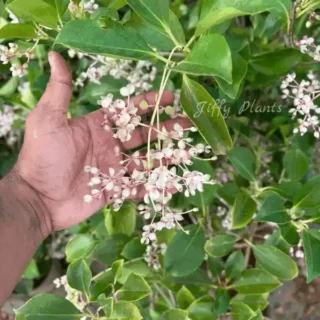
Price range: ₹99.00 through ₹749.00Select options This product has multiple variants. The options may be chosen on the product pageSelling size: Single Plant | Pot Size: 2.5″-4″ (Please choose) Medinilla Myriantha – Care Origin – Philippine Islands. Genus originates in tropical Africa, SE Asia and the Pacific Islands. A tropical plant with long pink hanging flower sprays with canopies of large leaves. Common name – Rose Grape. Light These plants require bright light but …
-
Medinilla Mindorensis Rare Plant
Price range: ₹399.00 through ₹749.00Select options This product has multiple variants. The options may be chosen on the product pageSize: Single Plant | Pot Included The Medinilla mindorensis is a beautiful tropical plant that requires specific care to thrive. Here’s a breakdown of Medinilla Mindorensis key care instructions: Key Care Points: Light: Medinilla mindorensis prefers bright, indirect light. Avoid direct sunlight, which can scorch the leaves. Mimic the dappled sunlight of its native rainforest …
-
Medinilla Scortechini – Super Rare
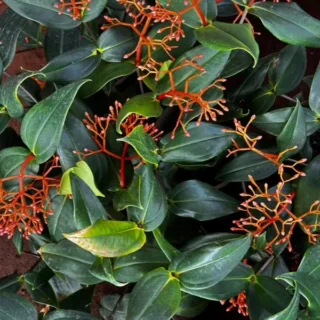
Original price was: ₹3,999.00.₹1,449.00Current price is: ₹1,449.00.Add to cartSelling Size : Single Plant | Pot Included | Secure Packing Medinilla scortechini, often admired for its ornamental foliage and elegant growth habit, is a rare tropical species belonging to the Melastomataceae family. This plant thrives in humid forests and naturally grows as an understory plant, which means it prefers filtered light, high humidity, and …
-
Medinilla Lalique (Medinilla Alata Lalique)
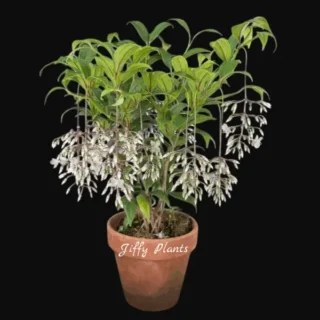
Original price was: ₹880.00.₹449.00Current price is: ₹449.00.Add to cartSingle Plant | 2.5″ Pot Included Medinilla Lalique (Medinilla alata Lalique) is a stunning tropical plant known for its cascading clusters of lavender-blue bracts with translucent white blooms and burgundy stems. It’s often called a “Chandelier Plant” due to its graceful appearance. While it might seem exotic, with the right conditions, it can thrive as …
Related products
-
Golden Sedum Plant
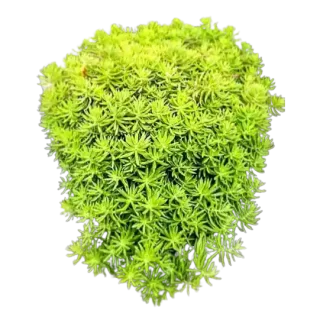
Original price was: ₹549.00.₹349.00Current price is: ₹349.00.Add to cartSelling size: Well rooted plan | 2.5″ pot included The Golden Sedum (Sedum adolphii) is a popular succulent known for its bright, fleshy, evergreen leaves that can take on a beautiful golden-yellow or even reddish-pink tint in bright sun. It has a trailing or spreading growth habit, making it a great choice for hanging baskets, …
-
Black zz plant, Raven ZZ Plant
Price range: ₹99.00 through ₹499.00Select options This product has multiple variants. The options may be chosen on the product pageSelling size: Please Choose (Single – Bushy) | 2.5″-5” Pot Included | Secure Packing The Black ZZ Plant, or Raven ZZ Plant (Zamioculcas zamiifolia ‘Raven’), is a popular, exceptionally resilient houseplant known for its striking, nearly black foliage. It shares the easy-care nature of the standard green ZZ plant, making it perfect for beginners or …
-
Philodendron Moonshine
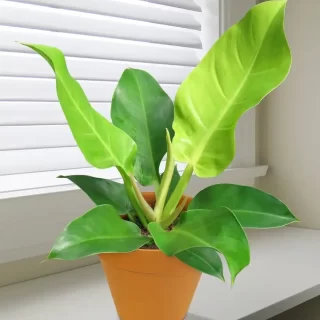
Original price was: ₹1,250.00.₹249.00Current price is: ₹249.00.Add to cartSelling size: Single plant | Pot included | Secure Packing The Philodendron Moonshine (often also called ‘Moonlight’) is a popular hybrid known for its vibrant, almost glowing, chartreuse-colored leaves. It has an upright, self-heading growth habit, so unlike many vining philodendrons, it doesn’t need a trellis or pole. Here is a comprehensive guide to caring …
-
Tillandsia Stricta (Air plant)
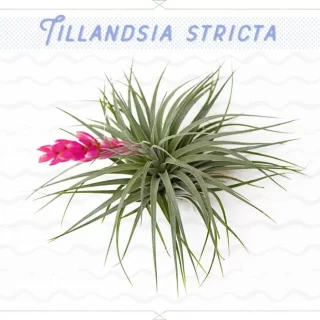
Original price was: ₹400.00.₹199.00Current price is: ₹199.00.Add to cartSelling size: Single plant | Secure Packing The Tillandsia Stricta (Air plant) is one of the most popular and adaptable species of air plants, known for its soft, green-silver foliage and beautiful blooms. Like all air plants, it is epiphytic, meaning it absorbs all its water and nutrients through its leaves from the air, not …
-
Dischidia nummularia (Pebble Beach/ Button Orchid)
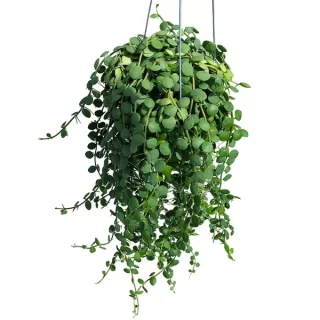
Price range: ₹99.00 through ₹599.00Select options This product has multiple variants. The options may be chosen on the product pagePlant Size: Single plant | 2.5″ Pot Included he Dischidia nummularia, commonly known as the String of Nickels, Pebble Beach plant, or Button Orchid, is a charming epiphyte with trailing stems covered in small, round, succulent-like leaves. It’s a great choice for hanging baskets and is known for being relatively easy to care for, especially …
-
Heliconia Variegated – Super Rare
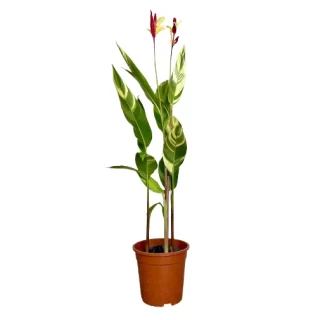
Original price was: ₹2,599.00.₹1,099.00Current price is: ₹1,099.00.Add to cartPlant size: Single plant | Pot Included | Free shipping The Variegated Heliconia (often a cultivar of Heliconia psittacorum, like ‘Lady Di’ or ‘Golden Torch’) is a striking tropical plant known for its banana-like leaves splashed with stripes of cream, yellow, or white. It is a demanding plant, requiring specific tropical conditions to thrive, especially …
-
Golden Pothos
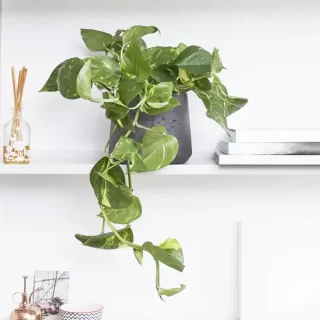
Original price was: ₹355.00.₹99.00Current price is: ₹99.00.Add to cartSelling size : Well rooted plant | 2.5″ pot included The Golden Pothos (Epipremnum aureum), also known as Devil’s Ivy, is one of the most popular and easiest houseplants to care for, making it an excellent choice for beginners. It’s a vining plant with heart-shaped leaves that are a vibrant green, often with splashes or …
-
Philodendron Burle Marx Plant
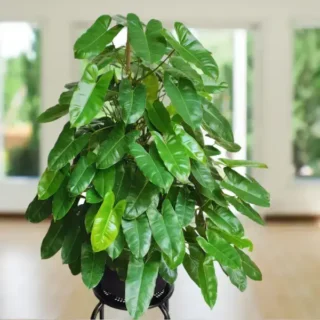
Original price was: ₹485.00.₹149.00Current price is: ₹149.00.Add to cartSelling size: Single plant | Pot Included | Secure Packing The Philodendron Burle Marx is a fantastic and relatively easy-to-care-for plant, known for its glossy, spade-shaped leaves and dense, clumping growth. It’s often recommended as a great choice for beginner houseplant owners. Here is a comprehensive care guide for your Philodendron Burle Marx: Light …

 If you need any assistance, I'm always here. Have you found what you were looking for?