
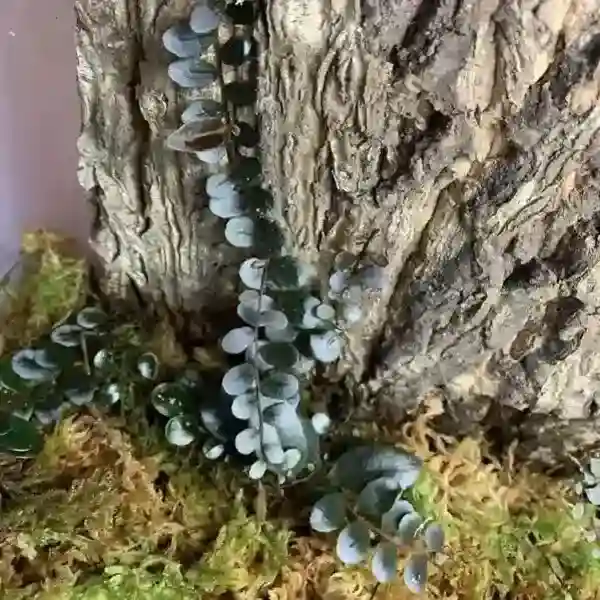
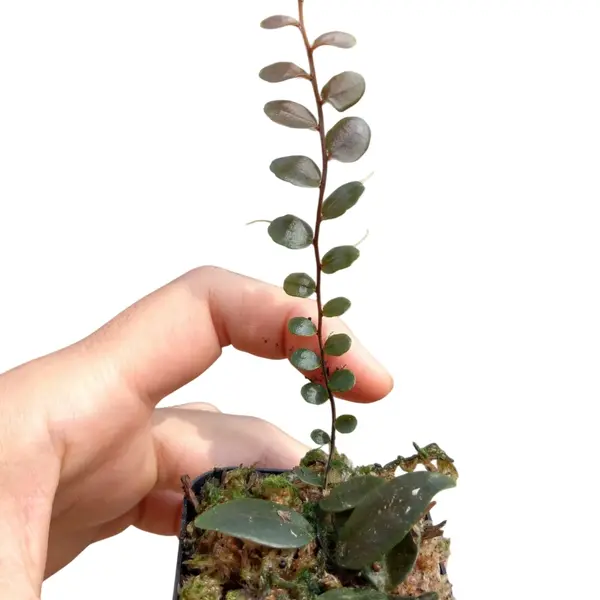
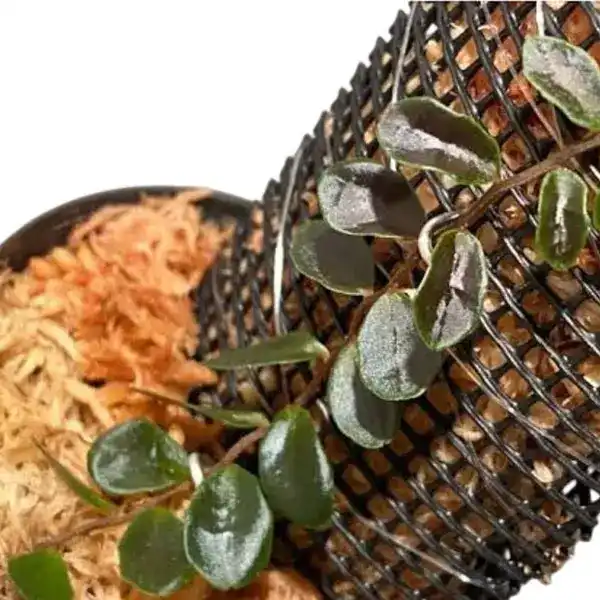
Marcgravia sp. Azreal
₹1.00
Out of stock
Email when stock available
Selling Size : Single Plant | Pot Included | Secure Packing | Free Delivery
Marcgravia sp. Azreal is a rare and highly sought-after tropical climber prized for its dramatic, shingling foliage and exotic appearance. Native to the humid rainforests of Central and South America, this species belongs to the Marcgraviaceae family and grows as a hemiepiphytic vine, attaching itself tightly to trees and rocks in nature. With the right care, Marcgravia ‘Azrael’ can become a true showpiece in any rare plant collection.
Marcgravia sp. Azreal – Complete Care Guide :
Light Requirements
Marcgravia ‘Azrael’ thrives in bright, indirect light. In its natural habitat, it grows beneath the forest canopy, receiving filtered sunlight throughout the day. Indoors, place it near an east- or north-facing window, or a few meters from a bright south-facing window with sheer curtains. Direct sunlight can scorch the leaves, while low light will slow growth and reduce leaf size. Under grow lights, provide 10–12 hours of gentle, consistent light for optimal development.
Watering
Consistent moisture is key, but overwatering must be avoided. Water when the top 2–3 cm of the growing medium feels slightly dry. The substrate should remain lightly moist at all times, never soggy. Marcgravia species are sensitive to stagnant water around the roots, which can quickly lead to rot. Always use pots with excellent drainage and discard excess water from trays. Rainwater, RO water, or dechlorinated water is preferred, as mineral-heavy water may cause leaf spotting over time.
Humidity & Temperature
High humidity is essential for Marcgravia ‘Azrael’ to thrive. Aim for 70–90% humidity, especially when grown indoors. This plant performs exceptionally well in terrariums, greenhouse cabinets, or grow tents. While it can survive at lower humidity (around 60%), leaf growth may be slower and less vibrant.
Ideal temperatures range between 18–28°C. Avoid exposure to cold drafts or temperatures below 15°C, as this can stress the plant and stunt growth. Stable warmth combined with high humidity closely mimics its rainforest environment.
Growing Medium
A light, airy, and fast-draining mix is crucial. Marcgravia ‘Azrael’ does best in an epiphytic-style substrate such as:
-
Fine orchid bark
-
Sphagnum moss
-
Perlite or pumice
-
Coco chips or tree fern fiber
Many growers prefer mounting the plant on cork bark, moss poles, or wooden slabs, which encourages natural shingling and healthier aerial roots. When potted, ensure the mix never compacts and allows plenty of airflow to the roots.
Support & Growth Habit
Marcgravia ‘Azrael’ is a climbing plant that benefits greatly from vertical support. Provide a moss pole, tree fern plank, or cork mount to allow it to attach and climb. As it matures, the plant produces tightly pressed, overlapping juvenile leaves that create a striking, architectural look. Without support, growth may become leggy and less visually appealing.
Fertilization
Feed lightly during the active growing season (spring and summer). Use a diluted balanced fertilizer (¼ strength) every 3–4 weeks. Overfertilizing can damage sensitive roots and cause leaf burn. Organic liquid fertilizers or weak foliar feeds work particularly well. Reduce or stop feeding during cooler months when growth naturally slows.
Pruning & Maintenance
Pruning is rarely necessary, but you can trim leggy or damaged growth to maintain shape. Always use clean, sterilized tools. Wipe leaves occasionally with a damp cloth to remove dust and improve photosynthesis. Keep an eye out for pests such as mealybugs or spider mites, especially in lower humidity conditions.
Propagation
Marcgravia ‘Azrael’ can be propagated through stem cuttings with at least one node and aerial root. Root cuttings in moist sphagnum moss under high humidity and warm temperatures. Patience is required, as rooting can be slow.
With proper humidity, gentle light, and a suitable climbing surface, Marcgravia sp. ‘Azrael’ will reward growers with lush, dramatic foliage and steady growth—making it a prized addition for collectors of rare tropical plants. 🌱
Related products
-
Chlorophytum Spider Live Plant
Original price was: ₹249.00.₹99.00Current price is: ₹99.00.Add to cartSelling size: Well rooted Single plant | 2.5″ Pot included Chlorophytum Spider, also the Spider Plant is an impressive houseplant which is the perfect plant for any beginner. A NASA certified air purifier, its long, green foliage with white variegations look good in both hanging planters and as desktop setups. In favourable conditions, it blooms …
-
Philodendron Moonshine
Original price was: ₹1,250.00.₹249.00Current price is: ₹249.00.Add to cartSelling size: Single plant | Pot included | Secure Packing The Philodendron Moonshine (often also called ‘Moonlight’) is a popular hybrid known for its vibrant, almost glowing, chartreuse-colored leaves. It has an upright, self-heading growth habit, so unlike many vining philodendrons, it doesn’t need a trellis or pole. Here is a comprehensive guide to caring …
-
Philodendron Burle Marx Plant
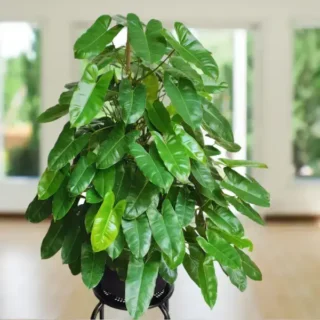
Original price was: ₹485.00.₹149.00Current price is: ₹149.00.Add to cartSelling size: Single plant | Pot Included | Secure Packing The Philodendron Burle Marx is a fantastic and relatively easy-to-care-for plant, known for its glossy, spade-shaped leaves and dense, clumping growth. It’s often recommended as a great choice for beginner houseplant owners. Here is a comprehensive care guide for your Philodendron Burle Marx: Light …
-
Philodendron Xanadu
Original price was: ₹450.00.₹199.00Current price is: ₹199.00.Add to cartSelling size:Well rooted plant | 2.5″ Pot Included | Secure Packing The Philodendron Xanadu, now officially classified as Thaumatophyllum xanadu, is a fantastic and relatively easy-to-care-for houseplant. It’s known for its compact, bushy growth habit and deeply lobed, glossy green leaves that give it a sophisticated, tropical look. Here is a complete guide to caring …
-
Golden Pothos
Original price was: ₹355.00.₹99.00Current price is: ₹99.00.Add to cartSelling size : Well rooted plant | 2.5″ pot included The Golden Pothos (Epipremnum aureum), also known as Devil’s Ivy, is one of the most popular and easiest houseplants to care for, making it an excellent choice for beginners. It’s a vining plant with heart-shaped leaves that are a vibrant green, often with splashes or …
-
Golden Sedum Plant
Original price was: ₹549.00.₹349.00Current price is: ₹349.00.Add to cartSelling size: Well rooted plan | 2.5″ pot included The Golden Sedum (Sedum adolphii) is a popular succulent known for its bright, fleshy, evergreen leaves that can take on a beautiful golden-yellow or even reddish-pink tint in bright sun. It has a trailing or spreading growth habit, making it a great choice for hanging baskets, …
-
Tillandsia Stricta (Air plant)
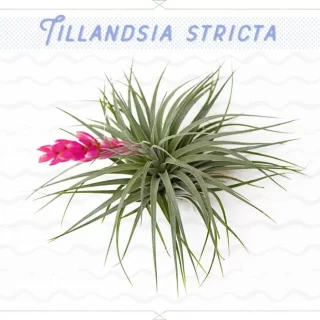
Original price was: ₹400.00.₹199.00Current price is: ₹199.00.Add to cartSelling size: Single plant | Secure Packing The Tillandsia Stricta (Air plant) is one of the most popular and adaptable species of air plants, known for its soft, green-silver foliage and beautiful blooms. Like all air plants, it is epiphytic, meaning it absorbs all its water and nutrients through its leaves from the air, not …
-
Columbian Peperomia (Galaxy pepperomia)
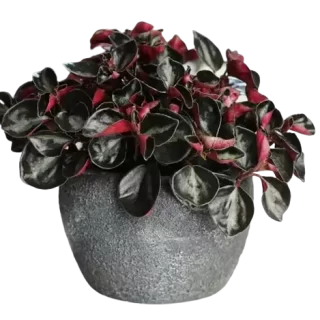
Original price was: ₹345.00.₹183.65Current price is: ₹183.65.Read moreSelling size:Well rooted plant in a jiffy bag The Columbian Peperomia (Peperomia metallica var. columbiana) is a visually striking and relatively low-maintenance houseplant. It is also sometimes sold as “Galaxy Peperomia,” a name that hints at its unique foliage. This plant is known for its beautiful, semi-succulent leaves that have a dark green or bronze-purple …




 If you need any assistance, I'm always here. Have you found what you were looking for?