
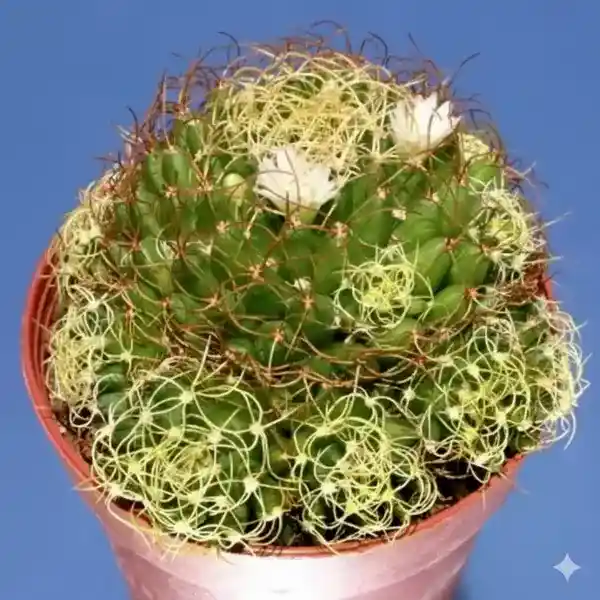

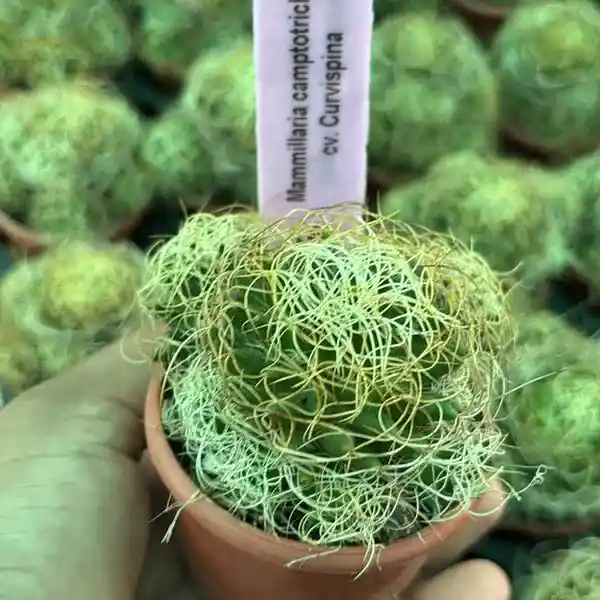
Mammillaria camptotricha cv. Curvispina
Original price was: ₹849.00.₹475.00Current price is: ₹475.00.
Selling Size : Single Plant | Pot Included | Secure Packing
The Mammillaria camptotricha cv. ‘Curvispina’, often called the Bird’s Nest Cactus, is a relatively easy-to-care-for cactus that forms attractive, dense clumps with its characteristic curly, golden-yellow spines.
Here is a guide to its care for Mammillaria camptotricha cv. Curvispina :
1. Light
- Bright Light is Best: It prefers bright light and can handle some direct morning sun.
- Protect from Intense Afternoon Sun: In very hot climates, it’s best to provide some filtered sunlight or afternoon shade to prevent the plant from getting sunburned or developing a reddish hue.
- Indoors: Place it on a south-facing or very bright east/west-facing windowsill.
2. Watering
- Water Sparingly: Like most cacti, it is drought-tolerant and very sensitive to overwatering, which can easily cause root rot.
- Growing Season (Spring and Summer): Water thoroughly only when the soil has completely dried out. This may be every 1-2 weeks, depending on your climate and pot size.
- Dormancy (Winter): Reduce or stop watering completely. Keep the soil dry during the coldest months to encourage a necessary rest period and prevent rot.
3. Soil and Potting
- Well-Draining Soil is Crucial: Use a very porous, mineral-based potting mix. A standard cactus/succulent mix can be improved by adding 50-70% mineral grit like perlite, pumice, coarse sand, or horticultural grit. Avoid soil mixes with a lot of peat moss.
- Good Drainage: Always use a pot with a drainage hole.
- Repotting: Repot every 2-3 years, or when the offsets become very crowded, into a pot that is only slightly larger than the root ball.
4. Temperature and Hardiness
- Warm Temperatures: It thrives in warm conditions during the growing season (ideally 70°F – 80°F).
- Winter Rest: During the winter dormancy, it prefers cooler temperatures (ideally 45°F – 55°F) but must be kept dry.
5. Fertilizing
- Feeding: Fertilize sparingly, only during the spring and summer growing season (once a month or every other month).
- Fertilizer Type: Use a high-potassium, low-nitrogen fertilizer diluted to half the recommended strength.
6. Common Issues for Mammillaria camptotricha cv. Curvispina
- Rot: The most common problem, caused by overwatering or poor drainage. If the stem becomes mushy, you need to stop watering immediately and check the roots.
- Pests: Watch out for common pests like mealybugs (especially at the base or roots) and red spider mites. Good ventilation helps prevent pests.
You must be logged in to post a review.
Related products
-
Calathiya Rattlesnake Plant
Price range: ₹125.00 through ₹549.00Select options This product has multiple variants. The options may be chosen on the product pageSelling size: Please Choose | Secure Packing | 2.5″-4″ Pot Included Calathiya rattlesnake is a plant easy to care for. However, there are a few measures and precautions you need to take to grow and maintain yours. Here’s a comprehensive guide for rattlesnake plant : Light Calathea Lancifolia prefers bright, indirect light. Like most variegated …
-
String Of Nickels (Dischidia nummularia)
Price range: ₹99.00 through ₹599.00Select options This product has multiple variants. The options may be chosen on the product pageSelling size: Well rooted plant in a Jiffy bag The Dischidia nummularia, commonly known as the String of Nickels or Button Orchid, is a delightful and easy-to-care-for trailing epiphyte. Its common name comes from its small, round, coin-shaped leaves that densely cover its long, slender stems. As a relative of the Hoya, it shares a similar …
-
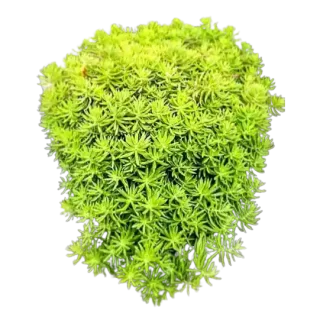
Golden Sedum Plant
Original price was: ₹549.00.₹349.00Current price is: ₹349.00.Add to cartSelling size: Well rooted plan | 2.5″ pot included The Golden Sedum (Sedum adolphii) is a popular succulent known for its bright, fleshy, evergreen leaves that can take on a beautiful golden-yellow or even reddish-pink tint in bright sun. It has a trailing or spreading growth habit, making it a great choice for hanging baskets, …
-
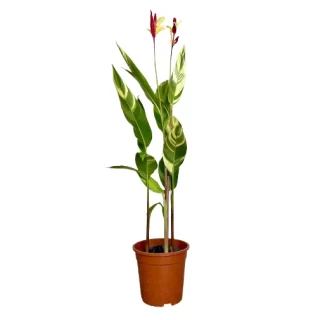
Heliconia Variegated – Super Rare
Original price was: ₹2,599.00.₹1,099.00Current price is: ₹1,099.00.Add to cartPlant size: Single plant | Pot Included | Free shipping The Variegated Heliconia (often a cultivar of Heliconia psittacorum, like ‘Lady Di’ or ‘Golden Torch’) is a striking tropical plant known for its banana-like leaves splashed with stripes of cream, yellow, or white. It is a demanding plant, requiring specific tropical conditions to thrive, especially …
-
Black zz plant, Raven ZZ Plant
Price range: ₹99.00 through ₹499.00Select options This product has multiple variants. The options may be chosen on the product pageSelling size: Please Choose (Single – Bushy) | 2.5″-5” Pot Included | Secure Packing The Black ZZ Plant, or Raven ZZ Plant (Zamioculcas zamiifolia ‘Raven’), is a popular, exceptionally resilient houseplant known for its striking, nearly black foliage. It shares the easy-care nature of the standard green ZZ plant, making it perfect for beginners or …
-
Pellionia repens var. pulchra
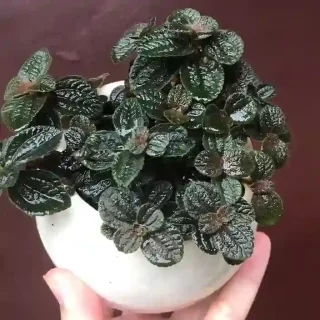
Original price was: ₹325.00.₹149.00Current price is: ₹149.00.Add to cartSelling size: Well rooted plant in a jiffy bag | Secure Packing The Pellionia repens var. pulchra, often called the Trailing Watermelon Begonia, is a beautiful and easy-to-care-for trailing plant. Its common name comes from the striking, patterned leaves that resemble the rind of a watermelon. Despite the name, it is not a true begonia …
-
Pilea Repens, Black Panamiga
Original price was: ₹280.00.₹149.00Current price is: ₹149.00.Add to cartSize: Single Plant | Jiffy Bag Caring for a Pilea Ripens (also known as Black Panamiga) involves understanding its specific needs to ensure it thrives. Here’s a breakdown of Pilea Repens, Black Panamiga key care aspects: Key Care Points: Light: Pilea repens prefers bright, indirect sunlight. Direct sunlight can scorch its leaves. Rotating the plant …





 If you need any assistance, I'm always here. Have you found what you were looking for?
Reviews
There are no reviews yet.