
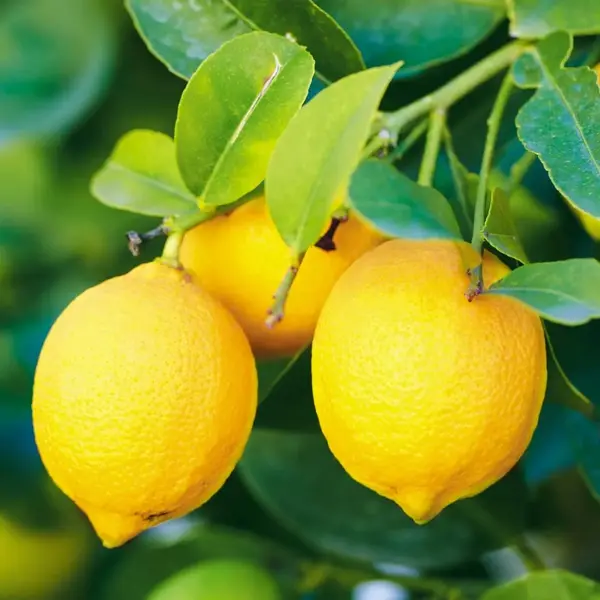
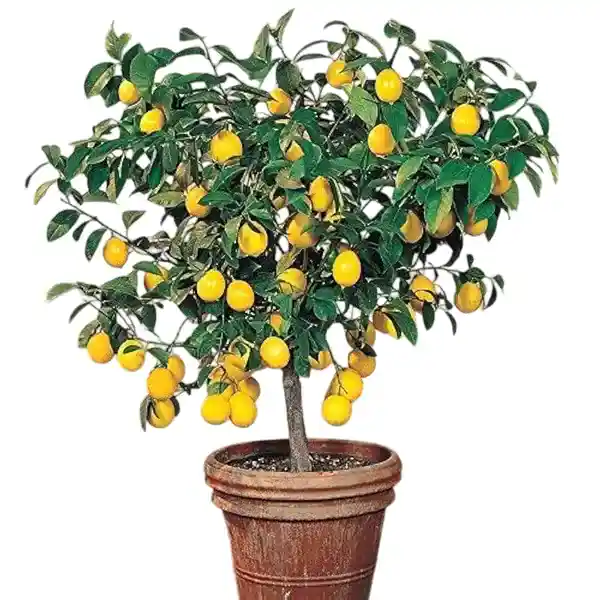
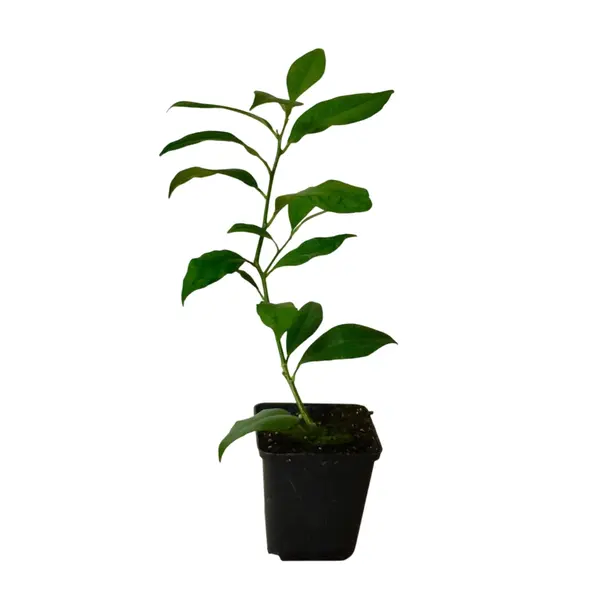
Lemon Plant
Original price was: ₹499.00.₹199.00Current price is: ₹199.00.
Selling Size : Single Plant | Pot Included | Secure Packing
Lemon Plant are a rewarding addition to any garden or home, whether planted in the ground or in a container. With proper care, they can produce a bountiful harvest of fragrant and flavorful fruit.
Here’s a guide to their care Lemon Plant :
Sunlight
- Full Sun is Key: Lemon trees are sun-lovers and require at least 6-8 hours of direct sunlight per day to thrive and produce fruit.
- Location: Choose a bright, sunny spot in your garden or a south-facing window if you’re growing it indoors.
Watering
- Consistent but Not Soggy: The key is to keep the soil consistently moist, but not waterlogged. Lemon trees are very susceptible to root rot, so good drainage is essential.
- Check the Soil: A good rule of thumb is to water when the top 1-2 inches of soil feel dry to the touch.
- Deep Watering: Water deeply each time, allowing water to drain out of the bottom of the pot or saturate the root ball.
- Seasonal Adjustment: Water more frequently during the hot, dry summer months and reduce watering in the winter when the plant’s growth slows.
Soil and Potting
- Well-Draining Soil: Use a well-draining, slightly acidic soil mix (pH 5.5-6.5). You can use a specific citrus potting mix or create your own by adding sand or perlite to a standard mix.
- Container Growing: If you’re growing in a container, choose a pot with multiple drainage holes. Terra cotta pots are a good option as they help to wick away excess moisture.
Fertilization
- Heavy Feeders: Lemon trees are heavy feeders and benefit from regular fertilization.
- Citrus-Specific Fertilizer: Use a balanced fertilizer formulated for citrus trees. These fertilizers have the right ratio of nutrients, including nitrogen, phosphorus, and potassium, as well as essential micronutrients like iron and magnesium.
- Timing: Fertilize every 4-6 weeks during the active growing season (spring and summer). Reduce or stop fertilizing in the fall and winter.
Pruning
- Purpose: Pruning helps maintain the tree’s shape, promotes healthy growth, improves air circulation, and encourages better fruit production.
- Timing: The best time to prune is in late winter or early spring before new growth begins.
- What to Prune: Remove any dead, diseased, or damaged branches. Also, thin out overcrowded branches to allow for better light penetration and air flow.
Pests and Diseases
- Common Pests: Watch out for common citrus pests like aphids, spider mites, and scale insects.
- Early Detection: Inspect your tree regularly for any signs of infestation, such as sticky residue, distorted leaves, or visible insects.
- Treatment: Use organic pest control methods like neem oil or insecticidal soap to treat infestations.
Other Important Tips
- Temperature: Lemon trees prefer temperatures between 50-85°F (10-29°C). They are very sensitive to frost, so if you live in a cold climate, it’s best to grow them in a pot that can be moved indoors during the winter.
- Humidity: Lemon trees appreciate moderate to high humidity. You can increase humidity for indoor plants by misting the leaves or placing the pot on a pebble tray filled with water.
- Harvesting: Lemons are ready to be picked when they turn yellow and feel firm but slightly soft to the touch. Use a pair of shears to cut the fruit from the tree, leaving a small piece of the stem attached.
You must be logged in to post a review.
Related products
-
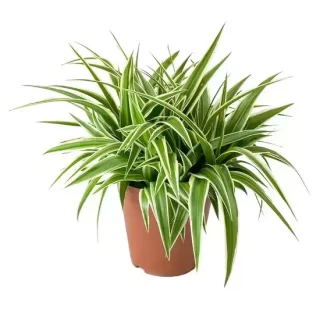
Chlorophytum Spider Live Plant
Original price was: ₹249.00.₹99.00Current price is: ₹99.00.Add to cartSelling size: Well rooted Single plant | 2.5″ Pot included Chlorophytum Spider, also the Spider Plant is an impressive houseplant which is the perfect plant for any beginner. A NASA certified air purifier, its long, green foliage with white variegations look good in both hanging planters and as desktop setups. In favourable conditions, it blooms …
-
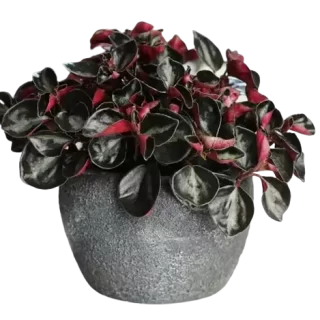
Columbian Peperomia (Galaxy pepperomia)
Original price was: ₹345.00.₹183.65Current price is: ₹183.65.Read moreSelling size:Well rooted plant in a jiffy bag The Columbian Peperomia (Peperomia metallica var. columbiana) is a visually striking and relatively low-maintenance houseplant. It is also sometimes sold as “Galaxy Peperomia,” a name that hints at its unique foliage. This plant is known for its beautiful, semi-succulent leaves that have a dark green or bronze-purple …
-
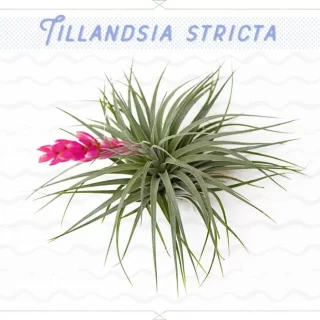
Tillandsia Stricta (Air plant)
Original price was: ₹400.00.₹199.00Current price is: ₹199.00.Add to cartSelling size: Single plant | Secure Packing The Tillandsia Stricta (Air plant) is one of the most popular and adaptable species of air plants, known for its soft, green-silver foliage and beautiful blooms. Like all air plants, it is epiphytic, meaning it absorbs all its water and nutrients through its leaves from the air, not …
-
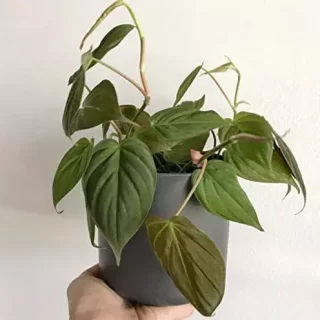
Philodendron Mican plant
Original price was: ₹650.00.₹99.00Current price is: ₹99.00.Add to cartSelling size: A well rooted plant | 2.5″ Pot Included The Philodendron Micans (Philodendron hederaceum ‘Micans’), also known as the Velvet-Leaf Philodendron, is a popular, easy-care trailing or climbing houseplant prized for its unique, velvety, heart-shaped leaves that emerge a beautiful chartreuse/pink and mature to a deep, iridescent, bronze-green with hints of purple. Here is …
-
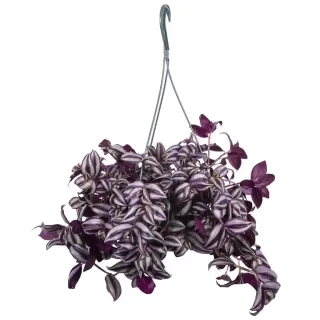
Wandering Jew Plant
Original price was: ₹305.00.₹149.00Current price is: ₹149.00.Add to cartSelling size: This plant comes in a 2.5″ Square pot The Wandering Jew Plant, also known as the Tradescantia! They’re such vibrant and easy-to-love plants. To keep yours thriving, here’s a rundown of Wandering Jew Plant care needs: Light: They absolutely love bright, indirect sunlight. Think of a spot near an east- or west-facing window …
-
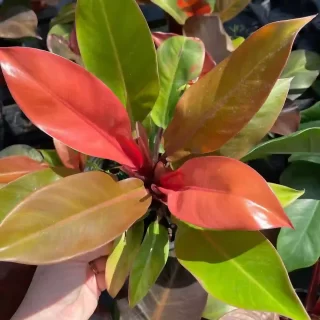
Philodendron ‘Prince of Orange’
Price range: ₹199.00 through ₹620.00Select options This product has multiple variants. The options may be chosen on the product pageSelling Size : Single Plant | Pot Included | Secure Packing The Philodendron ‘Prince of Orange’ is a stunning and popular hybrid known for its vibrant, ever-changing leaf colors. New leaves emerge as a brilliant orange or coppery color, and as they mature, they transition to a lime green, then a deep, glossy green. It …
-
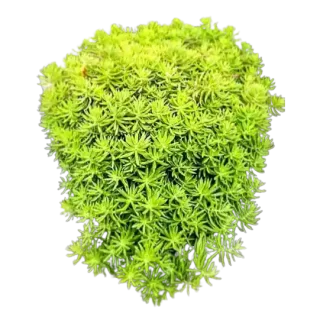
Golden Sedum Plant
Original price was: ₹549.00.₹349.00Current price is: ₹349.00.Add to cartSelling size: Well rooted plan | 2.5″ pot included The Golden Sedum (Sedum adolphii) is a popular succulent known for its bright, fleshy, evergreen leaves that can take on a beautiful golden-yellow or even reddish-pink tint in bright sun. It has a trailing or spreading growth habit, making it a great choice for hanging baskets, …
 If you need any assistance, I'm always here. Have you found what you were looking for?
Reviews
There are no reviews yet.