
Krishna Tusli
Original price was: ₹399.00.₹129.00Current price is: ₹129.00.
Selling Size : Single Plant | Pot Included | Secure Packing
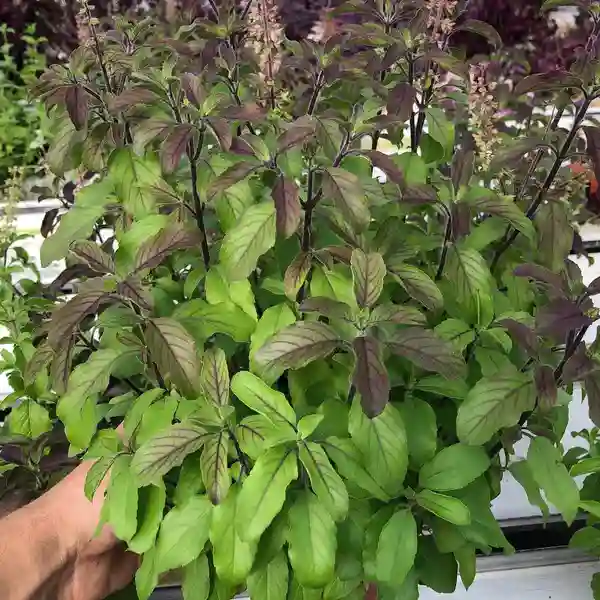
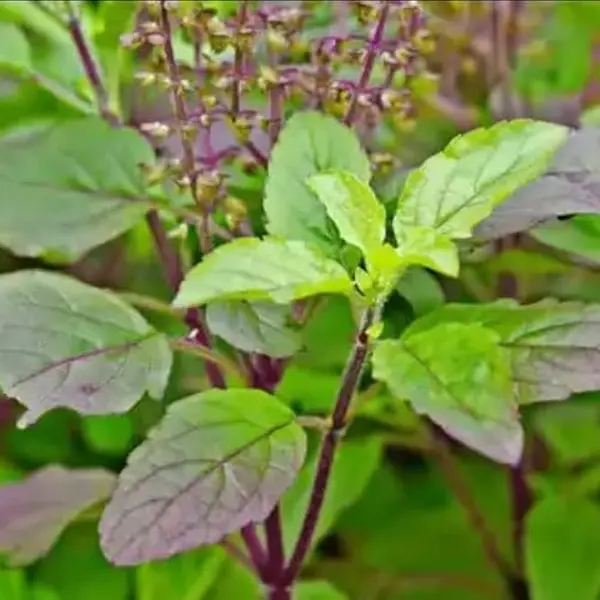
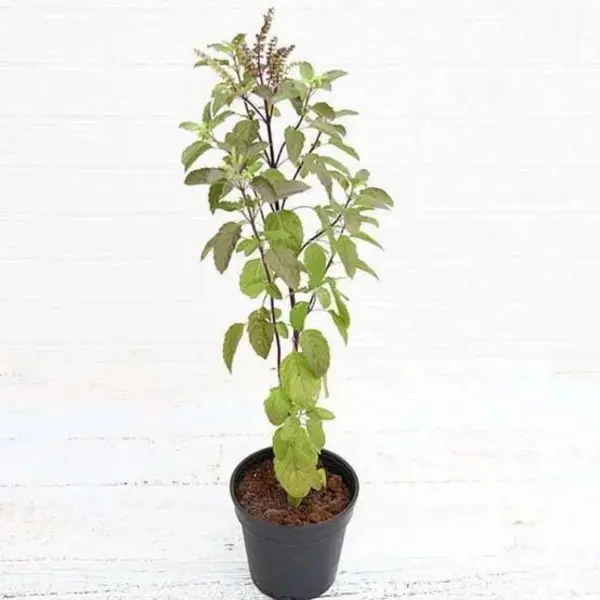
The Krishna Tulsi (Ocimum tenuiflorum ‘Krishna’, also known as Shyama or Holy Basil) is a sacred and beneficial herb that thrives with simple, consistent care. The “Krishna” variety is known for its darker, purple-tinged leaves and stems.
Here is a guide to help you care for your Krishna Tulsi :
1. Sunlight and Placement
- Sunlight: Krishna Tulsi is a sun-loving plant. It requires 4 to 6 hours of direct sunlight daily for the best growth and strongest medicinal properties. Full sun is ideal.
- Placement: Place the plant in a bright, warm location, such as a sunny windowsill (east, north, or south-facing) or a balcony/terrace.
- Temperature: It thrives in warm weather, ideally between and ( and ). Protect it from cold and frost; if temperatures drop below (), you must bring it indoors.
2. Watering
- Moderate Watering: Water the plant when the top inch of the soil feels dry to the touch. It likes slightly moist soil but is highly susceptible to root rot from overwatering.
- Drainage: Ensure the pot has excellent drainage holes. If you use a saucer, empty it after watering to prevent the roots from sitting in standing water.
- Seasonal Adjustment: Water more frequently in hot summer months and reduce the frequency in winter when the plant’s growth slows.
3. Soil and Potting
- Well-Draining Soil: Use a rich, loamy, and well-aerated potting mix. A mixture of garden soil, compost, and sand/perlite works well.
- Pot Material: Clay or terracotta pots are often preferred as they help wick away excess moisture, preventing the soil from becoming waterlogged.
- Aeration: Occasionally loosen the top layer of the soil with a fork or hand tool to prevent compaction and allow the roots to breathe.
4. Pruning and Maintenance (The Key to Bushy Growth)
- Pinch Off Flower Buds (Manjaris): This is the most important step for a healthy, bushy plant. Pinch off the flowering heads (manjaris) as soon as you see them forming. Allowing the plant to flower and set seed diverts the plant’s energy, making it tall, leggy, and weaker.
- Regular Pruning: To encourage side branching and a fuller, bushier look, regularly pinch off the top leaves and about an inch of the stem once the plant is established. Always cut or pinch just above a leaf node (the point where leaves meet the stem).
- Remove Old Leaves: Remove any dried, yellowing, or dead leaves promptly.
5. Fertilizing
- Organic is Best: Use organic fertilizers like compost, cow dung manure (well-aged or dehydrated), or organic liquid fertilizer/compost tea.
- Frequency: Feed the plant once a month or every 3-4 weeks during the active growing season (spring through monsoon/summer).
- Tip: When fertilizing, apply the fertilizer to already moist soil to avoid burning the roots.
Common Problems Krishna Tusli
- Yellow/Brown Leaves: This is often a sign of overwatering or poor drainage. Adjust your watering schedule and ensure the pot drains freely.
- Droopy/Wilted Leaves: This can be due to either underwatering or root rot (from overwatering). Check the soil moisture to diagnose the issue.
You must be logged in to post a review.
Related products
-
Black zz plant, Raven ZZ Plant
Price range: ₹99.00 through ₹499.00Select options This product has multiple variants. The options may be chosen on the product pageSelling size: Please Choose (Single – Bushy) | 2.5″-5” Pot Included | Secure Packing The Black ZZ Plant, or Raven ZZ Plant (Zamioculcas zamiifolia ‘Raven’), is a popular, exceptionally resilient houseplant known for its striking, nearly black foliage. It shares the easy-care nature of the standard green ZZ plant, making it perfect for beginners or …
-
Heliconia Variegated – Super Rare
Original price was: ₹2,599.00.₹1,099.00Current price is: ₹1,099.00.Add to cartPlant size: Single plant | Pot Included | Free shipping The Variegated Heliconia (often a cultivar of Heliconia psittacorum, like ‘Lady Di’ or ‘Golden Torch’) is a striking tropical plant known for its banana-like leaves splashed with stripes of cream, yellow, or white. It is a demanding plant, requiring specific tropical conditions to thrive, especially …
-
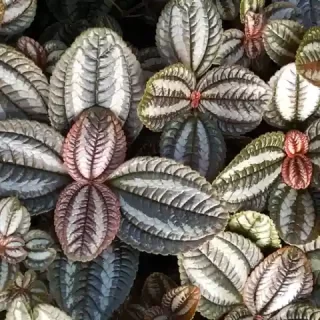
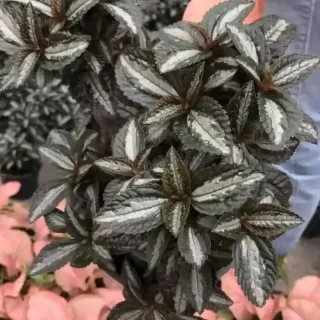
Pilea involucrata ‘Norfolk’ – Friendship Plant
Original price was: ₹450.00.₹199.00Current price is: ₹199.00.Add to cartSize: Single Plant | 2.5″ Pot Included | Free Shipping The Pilea involucrata ‘Norfolk’, commonly known as the Friendship Plant, is a delightful houseplant celebrated for its unique, velvety, quilted foliage. The leaves have a rich texture and a beautiful color palette, with deep green and bronze tones on the upper surface and a reddish-purple …
-
Philodendron Mexicanum
Original price was: ₹1,090.00.₹749.00Current price is: ₹749.00.Add to cartSelling size: Single Plant | Pot included The Philodendron mexicanum is a beautiful vining plant known for its long, arrow-shaped leaves with a striking deep maroon or reddish underside. As its name suggests, it is native to the tropical forests of Mexico. It’s a relatively easy-to-care-for plant, especially for those familiar with other vining philodendrons. …
-
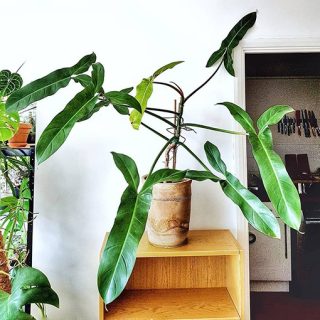
Philodendron Xanadu
Original price was: ₹450.00.₹199.00Current price is: ₹199.00.Add to cartSelling size:Well rooted plant | 2.5″ Pot Included | Secure Packing The Philodendron Xanadu, now officially classified as Thaumatophyllum xanadu, is a fantastic and relatively easy-to-care-for houseplant. It’s known for its compact, bushy growth habit and deeply lobed, glossy green leaves that give it a sophisticated, tropical look. Here is a complete guide to caring …
-
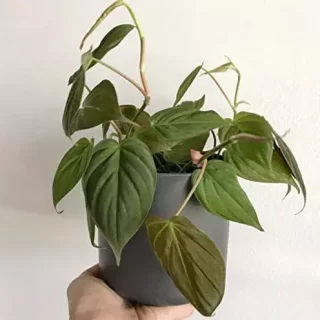
Philodendron Mican plant
Original price was: ₹650.00.₹99.00Current price is: ₹99.00.Add to cartSelling size: A well rooted plant | 2.5″ Pot Included The Philodendron Micans (Philodendron hederaceum ‘Micans’), also known as the Velvet-Leaf Philodendron, is a popular, easy-care trailing or climbing houseplant prized for its unique, velvety, heart-shaped leaves that emerge a beautiful chartreuse/pink and mature to a deep, iridescent, bronze-green with hints of purple. Here is …
-
Dischidia Oiantha plant
Price range: ₹99.00 through ₹599.00Select options This product has multiple variants. The options may be chosen on the product pagePlant Size: Single plant | Secure Packing The Dischidia oiantha, often referred to as a “Hoya cousin,” is a charming, easy-to-care-for epiphyte with trailing vines and small, oval, succulent-like leaves. It’s a great choice for hanging baskets or for adding a touch of whimsy to a shelf. Here is a comprehensive guide to caring for …



 If you need any assistance, I'm always here. Have you found what you were looking for?
Reviews
There are no reviews yet.