

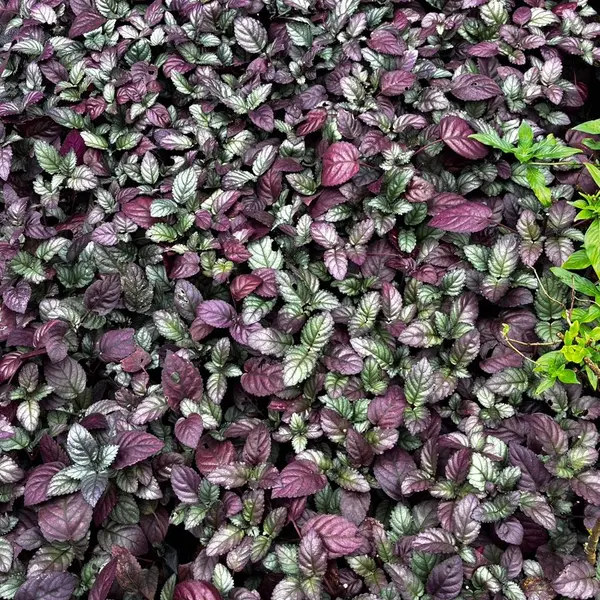
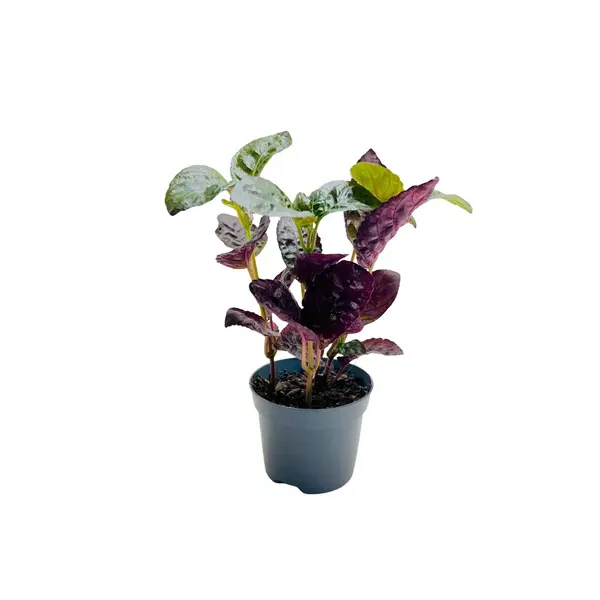
Hemigraphis Colorata
Original price was: ₹399.00.₹149.00Current price is: ₹149.00.
Selling Size : Single Plant | Pot Included | Secure Packing
Hemigraphis colorata, commonly known as Red Ivy, Metallic Purple Waffle Plant, or Hemigraphis alternata, is a beautiful foliage plant admired for its deep purple underside and metallic green-purple top. Its wrinkled, textured leaves and compact growth make it suitable for indoor décor, terrariums, shaded borders, and table-top planters. Although easy to grow, it thrives best with balanced moisture, humidity, and proper shade. With the right care, the plant grows lush and produces vibrant colours throughout the year.
Hemigraphis colorata Care Guide :
1. Light Requirements
Hemigraphis colorata performs best in bright, indirect light. Direct sunlight can fade its purple colour, burn the delicate leaf edges, and stunt growth. Morning sunlight for 1–2 hours is safe, but harsh noon sun should be avoided completely. When grown indoors, place it near an east or north-facing window. If light is too low, the plant becomes leggy and leaves turn dull green. Good light enhances the metallic purple sheen, keeping it compact and vibrant.
2. Temperature and Humidity
The plant prefers warm, humid tropical conditions. Ideal temperature range: 18–30°C. It struggles below 15°C and must be protected from cold winds or AC draft. Hemigraphis colorata loves humidity and thrives at 60–80% humidity levels. In dry weather, especially during summers or in air-conditioned rooms, increase humidity using a pebble tray, humidifier, or by keeping it among other foliage plants. High humidity keeps the leaves glossy and prevents drying.
3. Watering Needs
Hemigraphis colorata enjoys evenly moist soil but should never sit in waterlogged conditions. Water when the top 1–2 cm of soil begins to dry. During hot weather, you may need to water every 2–3 days, while in cooler seasons every 4–5 days is enough. The plant wilts quickly when dry, so do not allow the soil to completely dry out. However, overwatering leads to root rot and fungal issues. Watering at the base using room-temperature water is ideal.
4. Soil Mix
This plant prefers loose, fertile, moisture-retentive but well-draining soil. A perfect mix includes:
-
40% cocopeat
-
30% garden soil or compost
-
20% perlite or river sand
-
10% leaf mould or vermicompost
This ensures moisture retention without turning soggy. The plant grows very well in slightly acidic to neutral soil (pH 6.0–7.0).
5. Pot Selection and Repotting
Choose shallow to medium pots with multiple drainage holes. Plastic and ceramic planters work well, but clay pots help prevent overwatering. Repot the plant every 12–18 months or when roots start coming out of the drainage holes. Repotting refreshes the soil and boosts new growth.
6. Fertilizing
Hemigraphis colorata responds well to regular organic feeding. Use:
-
Vermicompost or cow dung once a month
-
Liquid seaweed extract every 15 days
-
NPK 19-19-19 at half strength once a month during the growing season
Avoid strong fertilizers as they can burn delicate roots. Balanced feeding promotes rich purple color and fuller foliage.
7. Pruning and Maintenance
This plant grows dense and benefits from regular pruning. Trim the tips every 4–6 weeks to encourage bushier growth. Remove dry or yellowing leaves to improve airflow and prevent disease. Pinching helps maintain the compact, cushion-like appearance that Hemigraphis is known for.
8. Pests and Diseases
Common pests include aphids, spider mites, mealybugs, and whiteflies. Check the underside of leaves regularly. As a preventive measure, spray neem oil (5 ml per litre) once every 15 days. The most common problem is fungal rot caused by overwatering or poor air circulation. Ensure the soil drains well and avoid splashing water on leaves unnecessarily.
9. Propagation
Hemigraphis colorata propagates very easily through stem cuttings. Cut a 4–5 inch stem below a node and plant it in moist soil or water. It roots within 10–15 days. High humidity speeds up the process.
10. Ideal Uses
-
Terrariums
-
Table-top planters
-
Shaded balcony gardens
-
Hanging baskets
-
Ground cover in semi-shade
Its purple colour adds contrast to any landscape.
Related products
-
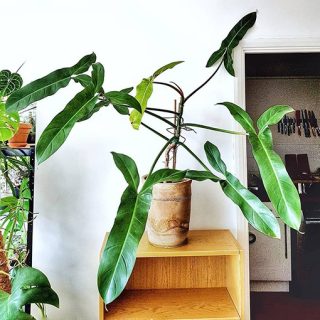
Philodendron Mexicanum
Original price was: ₹1,090.00.₹749.00Current price is: ₹749.00.Add to cartSelling size: Single Plant | Pot included The Philodendron mexicanum is a beautiful vining plant known for its long, arrow-shaped leaves with a striking deep maroon or reddish underside. As its name suggests, it is native to the tropical forests of Mexico. It’s a relatively easy-to-care-for plant, especially for those familiar with other vining philodendrons. …
-
Dischidia Ruscifolia (Million Hearts)
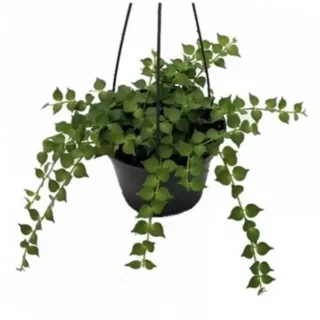
Price range: ₹199.00 through ₹499.00Select options This product has multiple variants. The options may be chosen on the product pagePlant Size: Single plant | 2.5″-6″ Pot Included The Dischidia Ruscifolia (Million Hearts), commonly known as the Million Hearts plant, is a delightful and easy-to-care-for trailing epiphyte. Its name comes from the abundance of small, heart-shaped leaves that densely cover its slender stems. As a member of the same family as Hoyas, its care …
-
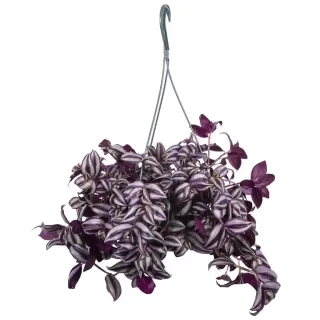
Wandering Jew Plant
Original price was: ₹305.00.₹149.00Current price is: ₹149.00.Add to cartSelling size: This plant comes in a 2.5″ Square pot The Wandering Jew Plant, also known as the Tradescantia! They’re such vibrant and easy-to-love plants. To keep yours thriving, here’s a rundown of Wandering Jew Plant care needs: Light: They absolutely love bright, indirect sunlight. Think of a spot near an east- or west-facing window …
-
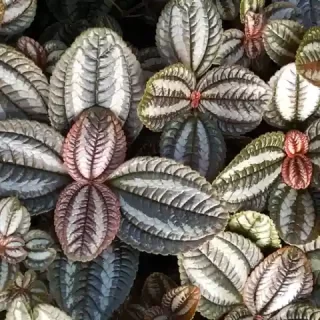
Pilea involucrata ‘Norfolk’ – Friendship Plant
Original price was: ₹450.00.₹199.00Current price is: ₹199.00.Add to cartSize: Single Plant | 2.5″ Pot Included | Free Shipping The Pilea involucrata ‘Norfolk’, commonly known as the Friendship Plant, is a delightful houseplant celebrated for its unique, velvety, quilted foliage. The leaves have a rich texture and a beautiful color palette, with deep green and bronze tones on the upper surface and a reddish-purple …
-
String Of Nickels (Dischidia nummularia)
Price range: ₹99.00 through ₹599.00Select options This product has multiple variants. The options may be chosen on the product pageSelling size: Well rooted plant in a Jiffy bag The Dischidia nummularia, commonly known as the String of Nickels or Button Orchid, is a delightful and easy-to-care-for trailing epiphyte. Its common name comes from its small, round, coin-shaped leaves that densely cover its long, slender stems. As a relative of the Hoya, it shares a similar …
-
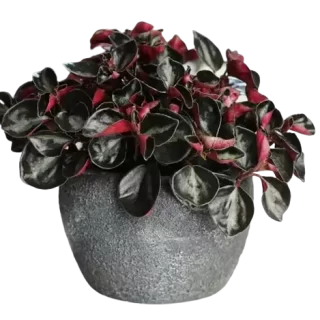
Columbian Peperomia (Galaxy pepperomia)
Original price was: ₹345.00.₹183.65Current price is: ₹183.65.Read moreSelling size:Well rooted plant in a jiffy bag The Columbian Peperomia (Peperomia metallica var. columbiana) is a visually striking and relatively low-maintenance houseplant. It is also sometimes sold as “Galaxy Peperomia,” a name that hints at its unique foliage. This plant is known for its beautiful, semi-succulent leaves that have a dark green or bronze-purple …
-
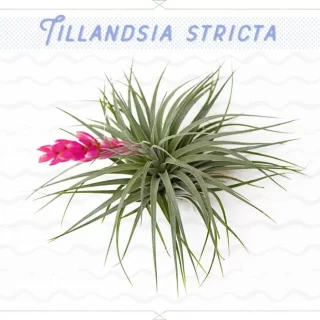
Tillandsia Stricta (Air plant)
Original price was: ₹400.00.₹199.00Current price is: ₹199.00.Add to cartSelling size: Single plant | Secure Packing The Tillandsia Stricta (Air plant) is one of the most popular and adaptable species of air plants, known for its soft, green-silver foliage and beautiful blooms. Like all air plants, it is epiphytic, meaning it absorbs all its water and nutrients through its leaves from the air, not …
-
Golden Pothos
Original price was: ₹355.00.₹99.00Current price is: ₹99.00.Add to cartSelling size : Well rooted plant | 2.5″ pot included The Golden Pothos (Epipremnum aureum), also known as Devil’s Ivy, is one of the most popular and easiest houseplants to care for, making it an excellent choice for beginners. It’s a vining plant with heart-shaped leaves that are a vibrant green, often with splashes or …

 If you need any assistance, I'm always here. Have you found what you were looking for?