
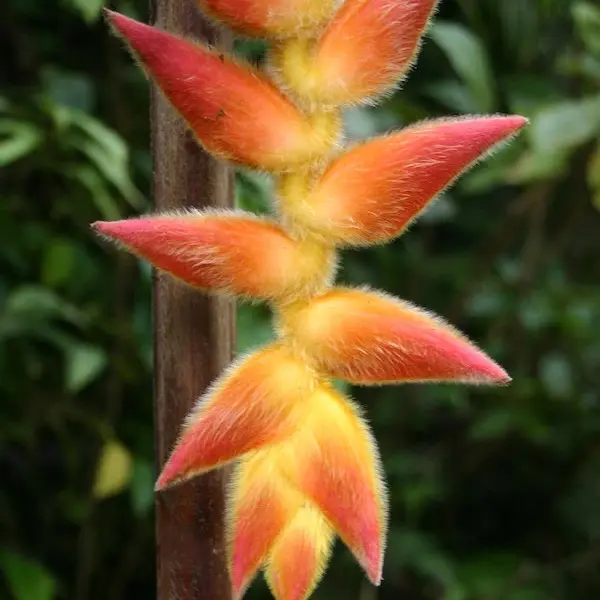
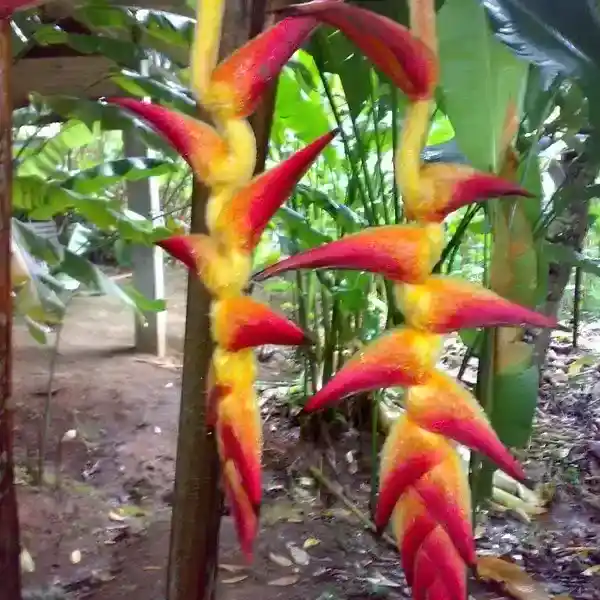
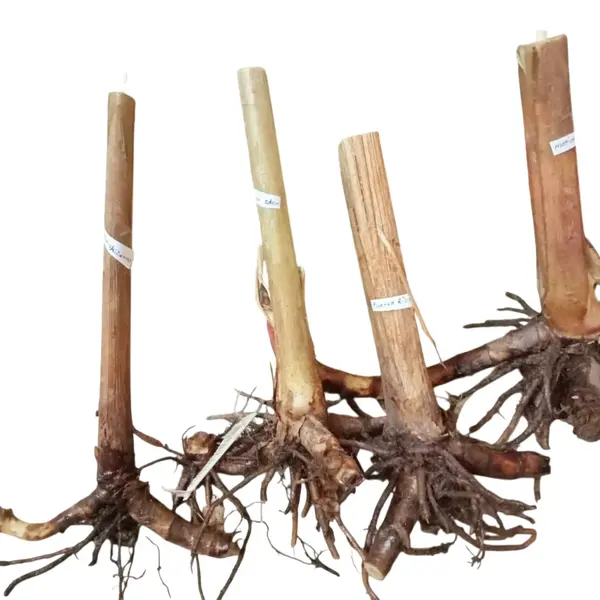
Heliconia regalis Barnum and Bailey
Original price was: ₹899.00.₹599.00Current price is: ₹599.00.
1 in stock
Selling Part : A single Rhizsome with Tag | Secure packing | Free Shipping
The Heliconia regalis Barnum and Bailey is a highly sought-after, rare tropical plant known for its dramatic, pendulous (hanging) inflorescences that are described as fuzzy (villous) and feature a vibrant mix of orange and yellow bracts.
As a member of the Heliconia family, its care requirements follow the general needs of the genus, emphasizing warmth, high moisture, and rich soil.
Here is a detailed guide for caring for Heliconia regalis Barnum and Bailey :
1. Climate and Temperature
- Tropical Essential: This plant is native to tropical regions and requires a consistently warm environment.
- Cold Intolerance: Lower temperatures are only tolerated briefly.
- Growing Outdoors: Only possible in USDA Hardiness Zones 10-11. In cooler zones, it must be grown in a large container and moved to a greenhouse or indoors for winter.
2. Light and Location
- Understory Plant: Heliconias in general are often found as understory plants in the rainforest.
- Sunlight: Prefers partial shade to full sun.
- Partial Shade/Morning Sun: This is often the best choice, as it mimics its natural habitat and protects the large, banana-like leaves from scorching in the intense afternoon sun.
- Full Sun: Can be tolerated if the soil is kept consistently moist and the climate isn’t overly hot.
- Shelter: Choose a location sheltered from strong winds, as high winds can shred the large leaves.
3. Soil and Potting
- Soil Type: Requires rich, well-drained, and loose soil with plenty of organic matter (compost, peat moss, or cured manure).
- Drainage: Excellent drainage is critical. Heliconias hate “wet feet,” which can cause rhizome rot.
- Soil pH: Prefers slightly acidic to neutral soil (pH 5.5 to 7.0). Alkaline soils can lead to iron and/or magnesium deficiencies, causing yellowing foliage.
- Container Growing: If potting, use a large, heavy container to accommodate its size and prevent it from becoming top-heavy. Use a high-quality potting mix blended with perlite or coarse sand for extra drainage.
4. Watering and Humidity
- Watering: This plant is a heavy drinker and is not drought-tolerant.
- Keep Moist: The soil should be kept consistently moist but never soggy.
- Frequency: Water regularly, especially during the warm growing season. You may need to water every 2-3 days in hot, dry weather. Reduce watering frequency in winter.
- Humidity: High humidity is essential. In dry environments, mist regularly, group plants together, or use a humidity tray.
5. Fertilizer
- Heavy Feeder: Heliconias are fast-growing and require regular fertilization to support their large size and prolific flowering.
- Growing Season (Spring/Summer): Fertilize monthly with a balanced, slow-release complete fertilizer (e.g., a palm-specific formula rich in Potassium (K)) or a liquid fertilizer.
- Nutrient Boosts: They respond well to supplementary feedings of compost, organic manure, or liquid fish and seaweed fertilizer.
- Winter: Stop or significantly reduce fertilization during the colder months.
6. Maintenance and Propagation
- Pruning:
- Remove Spent Bracts: Cut back the entire flower stalk (culm) once the flowering is finished, as each stem only flowers once.
- Remove Dead Leaves: Remove old, damaged, or completely yellow/brown leaves to keep the clump tidy. Note: Only remove withered leaves when they are completely brown, as the plant can still draw nutrients from partially damaged leaves.
- Propagation: Propagate by dividing the rhizomes. This is also necessary every few years to thin out crowded clumps and encourage new growth.
- Relocation: Be aware that some heliconias can suffer from relocation shock. Choose a permanent site carefully, or be prepared for an adjustment period if moving the plant.
7. Flowering
- Inflorescence: The ‘Barnum and Bailey’ is known for its pendulous (hanging) inflorescence, featuring furry, bright orange and yellow bracts.
- Bloom Time: Generally flowers during the warm months, often around July, August, and September in the Northern Hemisphere.
You must be logged in to post a review.
Related products
-
Calathiya Rattlesnake Plant
Price range: ₹125.00 through ₹549.00Select options This product has multiple variants. The options may be chosen on the product pageSelling size: Please Choose | Secure Packing | 2.5″-4″ Pot Included Calathiya rattlesnake is a plant easy to care for. However, there are a few measures and precautions you need to take to grow and maintain yours. Here’s a comprehensive guide for rattlesnake plant : Light Calathea Lancifolia prefers bright, indirect light. Like most variegated …
-
Philodendron Xanadu
Original price was: ₹450.00.₹199.00Current price is: ₹199.00.Add to cartSelling size:Well rooted plant | 2.5″ Pot Included | Secure Packing The Philodendron Xanadu, now officially classified as Thaumatophyllum xanadu, is a fantastic and relatively easy-to-care-for houseplant. It’s known for its compact, bushy growth habit and deeply lobed, glossy green leaves that give it a sophisticated, tropical look. Here is a complete guide to caring …
-
Dischidia Ruscifolia (Million Hearts)
Price range: ₹199.00 through ₹499.00Select options This product has multiple variants. The options may be chosen on the product pagePlant Size: Single plant | 2.5″-6″ Pot Included The Dischidia Ruscifolia (Million Hearts), commonly known as the Million Hearts plant, is a delightful and easy-to-care-for trailing epiphyte. Its name comes from the abundance of small, heart-shaped leaves that densely cover its slender stems. As a member of the same family as Hoyas, its care …
-
Philodendron Mexicanum
Original price was: ₹1,090.00.₹749.00Current price is: ₹749.00.Add to cartSelling size: Single Plant | Pot included The Philodendron mexicanum is a beautiful vining plant known for its long, arrow-shaped leaves with a striking deep maroon or reddish underside. As its name suggests, it is native to the tropical forests of Mexico. It’s a relatively easy-to-care-for plant, especially for those familiar with other vining philodendrons. …
-
Philodendron Mican plant
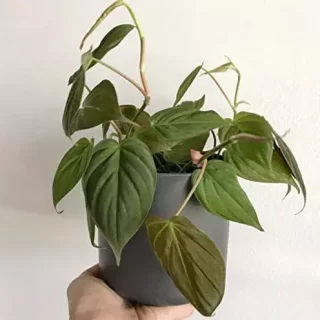
Original price was: ₹650.00.₹99.00Current price is: ₹99.00.Add to cartSelling size: A well rooted plant | 2.5″ Pot Included The Philodendron Micans (Philodendron hederaceum ‘Micans’), also known as the Velvet-Leaf Philodendron, is a popular, easy-care trailing or climbing houseplant prized for its unique, velvety, heart-shaped leaves that emerge a beautiful chartreuse/pink and mature to a deep, iridescent, bronze-green with hints of purple. Here is …
-
Tillandsia Stricta (Air plant)
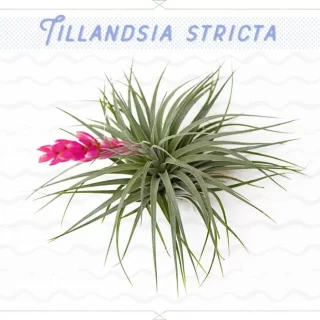
Original price was: ₹400.00.₹199.00Current price is: ₹199.00.Add to cartSelling size: Single plant | Secure Packing The Tillandsia Stricta (Air plant) is one of the most popular and adaptable species of air plants, known for its soft, green-silver foliage and beautiful blooms. Like all air plants, it is epiphytic, meaning it absorbs all its water and nutrients through its leaves from the air, not …
-
Golden Sedum Plant
Original price was: ₹549.00.₹349.00Current price is: ₹349.00.Add to cartSelling size: Well rooted plan | 2.5″ pot included The Golden Sedum (Sedum adolphii) is a popular succulent known for its bright, fleshy, evergreen leaves that can take on a beautiful golden-yellow or even reddish-pink tint in bright sun. It has a trailing or spreading growth habit, making it a great choice for hanging baskets, …
-
Pellionia repens var. pulchra
Original price was: ₹325.00.₹149.00Current price is: ₹149.00.Add to cartSelling size: Well rooted plant in a jiffy bag | Secure Packing The Pellionia repens var. pulchra, often called the Trailing Watermelon Begonia, is a beautiful and easy-to-care-for trailing plant. Its common name comes from the striking, patterned leaves that resemble the rind of a watermelon. Despite the name, it is not a true begonia …





 If you need any assistance, I'm always here. Have you found what you were looking for?
Reviews
There are no reviews yet.