
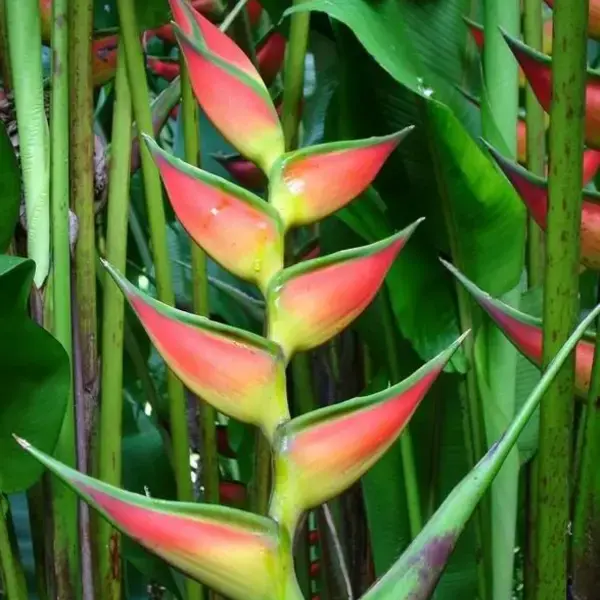
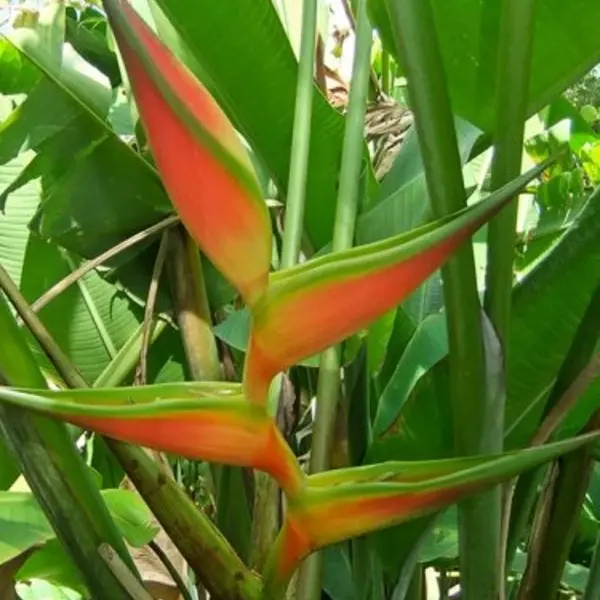

Heliconia Cinnamon
₹1.00
Out of stock
Email when stock available
Selling Size : Single Plant | Pot Included | Secure Packing
The Heliconia genus, including the cultivar ‘Cinnamon’ (often a variety of Heliconia psittacorum or a hybrid like ‘Cinnamon Twist’), is a tropical plant known for its vibrant, exotic flowers and lush foliage. Its care requirements are similar to other heliconias, demanding warmth, moisture, and plenty of nutrients.
Here is a guide to caring for Heliconia Cinnamon:
1. Light and Climate
| Requirement | Details |
| Climate | Tropical ($\text{USDA}$ Zones 10-11). It is not frost-tolerant. In cooler climates (like Zone 9), it can be grown in containers and brought indoors for winter protection. |
| Light | Full Sun to Partial Shade. Full sun (at least 6 hours of direct sun) encourages the best flowering and most intense color, but afternoon shade is beneficial in extremely hot or desert-like climates to prevent leaf burn. |
| Humidity | High. Being a rainforest plant, it thrives in high humidity. Low humidity can cause the edges of the large leaves to turn brown and crispy. Misting or placing it near a humidifier is helpful, especially indoors. |
| Wind | Plant in a sheltered location, as strong winds can shred the large, banana-like leaves. |
2. Soil and Water
| Requirement | Details |
| Soil | Rich, Well-Draining, and High in Organic Matter. Use a fertile, loamy soil. Amending with compost or aged manure is highly recommended. Prefers a slightly acidic to neutral $\text{pH}$ (5.5 to 7.0). |
| Water | Consistent Moisture. Requires regular and consistent watering to keep the soil evenly moist but never soggy. Heliconias are not drought-tolerant. In hot, dry periods, you may need to water every 2–3 days. |
| Drainage | Excellent drainage is critical. The rhizomes (underground stems) are prone to rotting in waterlogged soil. |
| Mulch | Apply a 2–3 inch layer of organic mulch to retain moisture, keep the roots cool, and suppress weeds. |
3. Fertilizing (Heavy Feeder)
Heliconias are vigorous growers and heavy feeders, requiring a steady supply of nutrients, especially during the active growing and flowering season (Spring through Fall).
- Type: Use a balanced $\text{NPK}$ fertilizer (e.g., $19$–$19$–$19$ or $20$–$20$–$20$). Once flowers appear, you can switch to a fertilizer higher in Potassium ($\text{K}$) and Phosphorus ($\text{P}$) to support blooming.
- Schedule:
- Growing Season: Apply a balanced, slow-release granular fertilizer every 3 months. Supplement this with a balanced liquid fertilizer every 2–4 weeks for a quick boost.
- Winter: Reduce or stop feeding when growth naturally slows down.
4. Maintenance and Pruning Heliconia Cinnamon
- Pruning Spent Stalks: Each individual shoot (pseudostem) will only produce one flower stalk. Once the ‘cinnamon’ flower has finished or been harvested, cut the entire stem back to the ground to make room for new shoots and encourage new blooms.
- Clump Management: Heliconias spread via rhizomes and can become invasive if not contained.
- In-Ground: Use a root barrier or divide the clumps every 1–2 years in the early spring.
- Containers: Divide the plant when it becomes overcrowded or repot into a larger container.
- Pest Control: Watch for common tropical pests like aphids, mealybugs, and spider mites. Treat with horticultural oil or insecticidal soap if an infestation is spotted.
You must be logged in to post a review.
Related products
-
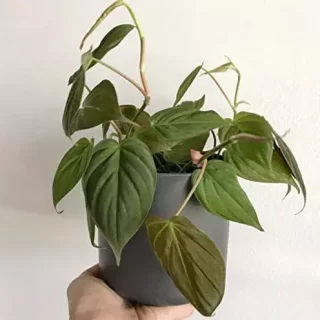
Philodendron Mican plant
Original price was: ₹650.00.₹99.00Current price is: ₹99.00.Add to cartSelling size: A well rooted plant | 2.5″ Pot Included The Philodendron Micans (Philodendron hederaceum ‘Micans’), also known as the Velvet-Leaf Philodendron, is a popular, easy-care trailing or climbing houseplant prized for its unique, velvety, heart-shaped leaves that emerge a beautiful chartreuse/pink and mature to a deep, iridescent, bronze-green with hints of purple. Here is …
-
Golden Pothos
Original price was: ₹355.00.₹99.00Current price is: ₹99.00.Add to cartSelling size : Well rooted plant | 2.5″ pot included The Golden Pothos (Epipremnum aureum), also known as Devil’s Ivy, is one of the most popular and easiest houseplants to care for, making it an excellent choice for beginners. It’s a vining plant with heart-shaped leaves that are a vibrant green, often with splashes or …
-
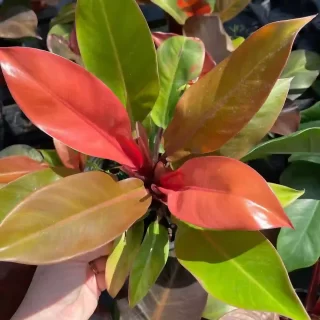
Philodendron ‘Prince of Orange’
Price range: ₹199.00 through ₹620.00Select options This product has multiple variants. The options may be chosen on the product pageSelling Size : Single Plant | Pot Included | Secure Packing The Philodendron ‘Prince of Orange’ is a stunning and popular hybrid known for its vibrant, ever-changing leaf colors. New leaves emerge as a brilliant orange or coppery color, and as they mature, they transition to a lime green, then a deep, glossy green. It …
-
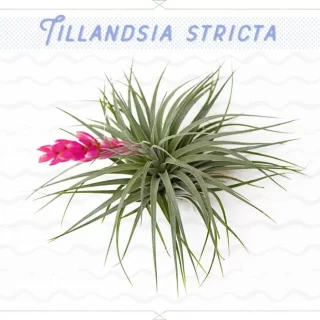
Tillandsia Stricta (Air plant)
Original price was: ₹400.00.₹199.00Current price is: ₹199.00.Add to cartSelling size: Single plant | Secure Packing The Tillandsia Stricta (Air plant) is one of the most popular and adaptable species of air plants, known for its soft, green-silver foliage and beautiful blooms. Like all air plants, it is epiphytic, meaning it absorbs all its water and nutrients through its leaves from the air, not …
-
Chlorophytum Spider Live Plant
Original price was: ₹249.00.₹99.00Current price is: ₹99.00.Add to cartSelling size: Well rooted Single plant | 2.5″ Pot included Chlorophytum Spider, also the Spider Plant is an impressive houseplant which is the perfect plant for any beginner. A NASA certified air purifier, its long, green foliage with white variegations look good in both hanging planters and as desktop setups. In favourable conditions, it blooms …
-
Philodendron Xanadu
Original price was: ₹450.00.₹199.00Current price is: ₹199.00.Add to cartSelling size:Well rooted plant | 2.5″ Pot Included | Secure Packing The Philodendron Xanadu, now officially classified as Thaumatophyllum xanadu, is a fantastic and relatively easy-to-care-for houseplant. It’s known for its compact, bushy growth habit and deeply lobed, glossy green leaves that give it a sophisticated, tropical look. Here is a complete guide to caring …
-
Dischidia Ruscifolia (Million Hearts)
Price range: ₹199.00 through ₹499.00Select options This product has multiple variants. The options may be chosen on the product pagePlant Size: Single plant | 2.5″-6″ Pot Included The Dischidia Ruscifolia (Million Hearts), commonly known as the Million Hearts plant, is a delightful and easy-to-care-for trailing epiphyte. Its name comes from the abundance of small, heart-shaped leaves that densely cover its slender stems. As a member of the same family as Hoyas, its care …
-
Pellionia repens var. pulchra
Original price was: ₹325.00.₹149.00Current price is: ₹149.00.Add to cartSelling size: Well rooted plant in a jiffy bag | Secure Packing The Pellionia repens var. pulchra, often called the Trailing Watermelon Begonia, is a beautiful and easy-to-care-for trailing plant. Its common name comes from the striking, patterned leaves that resemble the rind of a watermelon. Despite the name, it is not a true begonia …





 If you need any assistance, I'm always here. Have you found what you were looking for?
Reviews
There are no reviews yet.