
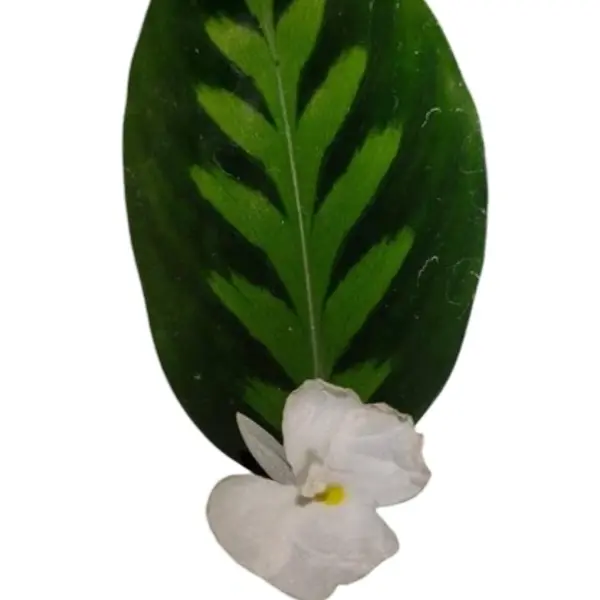
Haplocorma Sp
Original price was: ₹4,499.00.₹2,199.00Current price is: ₹2,199.00.
3 in stock
Selling Size : Single Plant | Pot Included | Secure Packing | Free Shipping
“Haplocorma Sp” does not appear to be a recognized botanical genus name. It is likely a misspelling of a different plant name, possibly a variety of Curcuma or another member of the ginger family (Zingiberaceae), which are often rhizomatous and have beautiful foliage.
Given the uncertainty, I’ll provide a general care guide for a plant that might share characteristics with a misidentified “Haplocorma Sp” such as a member of the Curcuma genus, also known as turmeric, hidden ginger, or Siam tulip. These are popular for their showy, cone-like flowers and tropical foliage.
Here’s a comprehensive guide care for a Haplocorma Sp :
Light:
- Bright, indirect light is best. Most ginger-family plants thrive with a good amount of light but need protection from the harsh, direct sun, which can burn their leaves.
- In their native habitat, they grow in the understory of forests, receiving dappled sunlight.
- A few hours of gentle morning sun is usually fine.
Watering:
- These plants need consistently moist soil during their active growing season (spring and summer).
- Do not let the soil dry out completely, as this can cause the plant to go dormant prematurely.
- Ensure the pot has good drainage, as waterlogged soil can lead to root rot.
- Reduce watering significantly in the fall and winter, when the plant may enter a dormant phase.
Humidity and Temperature:
- High humidity is crucial. These are tropical plants that thrive in warm, humid conditions.
- You can increase humidity by misting the leaves, using a humidifier, or placing the plant in a naturally humid room like a bathroom or kitchen.
- Maintain a warm temperature, ideally between 65-80°F (18-27°C). They are not frost-tolerant, and cold temperatures will cause them to go dormant or die back.
Soil and Fertilizer:
- Use a rich, well-draining soil with plenty of organic matter. A mix with compost, peat moss, or coco coir is a good choice.
- During the growing season, a balanced liquid fertilizer can be applied monthly to support strong growth and flowering.
- Do not fertilize when the plant is dormant.
Dormancy:
- Many rhizomatous tropical plants, including Curcuma, have a natural dormant period in the fall and winter. The foliage will begin to yellow and die back.
- This is a normal part of their life cycle. During this time, reduce watering and stop fertilizing. You can cut the dead foliage back to the soil level.
- In the spring, with warmer temperatures and more light, the plant will emerge from dormancy and begin growing again.
If you have a photo of your specific “Haplocorma sp.” plant, or can describe its appearance, I may be able to give you more specific care tips by identifying its likely genus.
You must be logged in to post a review.
Related products
-
String Of Nickels (Dischidia nummularia)
Price range: ₹99.00 through ₹599.00Select options This product has multiple variants. The options may be chosen on the product pageSelling size: Well rooted plant in a Jiffy bag The Dischidia nummularia, commonly known as the String of Nickels or Button Orchid, is a delightful and easy-to-care-for trailing epiphyte. Its common name comes from its small, round, coin-shaped leaves that densely cover its long, slender stems. As a relative of the Hoya, it shares a similar …
-
Philodendron Mican plant
Original price was: ₹650.00.₹99.00Current price is: ₹99.00.Add to cartSelling size: A well rooted plant | 2.5″ Pot Included The Philodendron Micans (Philodendron hederaceum ‘Micans’), also known as the Velvet-Leaf Philodendron, is a popular, easy-care trailing or climbing houseplant prized for its unique, velvety, heart-shaped leaves that emerge a beautiful chartreuse/pink and mature to a deep, iridescent, bronze-green with hints of purple. Here is …
-
Scindapsus Pictus Exotica
Original price was: ₹380.00.₹99.00Current price is: ₹99.00.Add to cartSelling size: Single Plant | 2.5″ Pot Included The Scindapsus Pictus Exotica, also known as the silver pothos, is a houseplant with large, dark green leaves that have silver spots and mottling. Here’s a guide to caring for your Scindapsus pictus Exotica plant: Light: Prefers bright, indirect light. An east or west-facing window that’s about …
-
Philodendron Mexicanum
Original price was: ₹1,090.00.₹749.00Current price is: ₹749.00.Add to cartSelling size: Single Plant | Pot included The Philodendron mexicanum is a beautiful vining plant known for its long, arrow-shaped leaves with a striking deep maroon or reddish underside. As its name suggests, it is native to the tropical forests of Mexico. It’s a relatively easy-to-care-for plant, especially for those familiar with other vining philodendrons. …
-
Calathiya Rattlesnake Plant
Price range: ₹125.00 through ₹549.00Select options This product has multiple variants. The options may be chosen on the product pageSelling size: Please Choose | Secure Packing | 2.5″-4″ Pot Included Calathiya rattlesnake is a plant easy to care for. However, there are a few measures and precautions you need to take to grow and maintain yours. Here’s a comprehensive guide for rattlesnake plant : Light Calathea Lancifolia prefers bright, indirect light. Like most variegated …
-
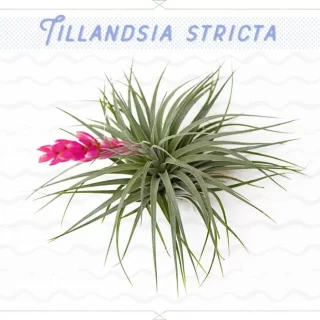
Tillandsia Stricta (Air plant)
Original price was: ₹400.00.₹199.00Current price is: ₹199.00.Add to cartSelling size: Single plant | Secure Packing The Tillandsia Stricta (Air plant) is one of the most popular and adaptable species of air plants, known for its soft, green-silver foliage and beautiful blooms. Like all air plants, it is epiphytic, meaning it absorbs all its water and nutrients through its leaves from the air, not …
-
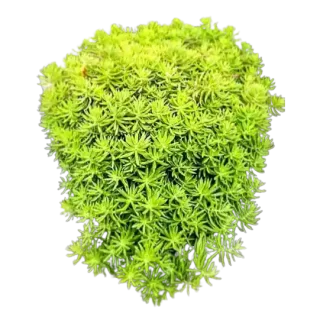
Golden Sedum Plant
Original price was: ₹549.00.₹349.00Current price is: ₹349.00.Add to cartSelling size: Well rooted plan | 2.5″ pot included The Golden Sedum (Sedum adolphii) is a popular succulent known for its bright, fleshy, evergreen leaves that can take on a beautiful golden-yellow or even reddish-pink tint in bright sun. It has a trailing or spreading growth habit, making it a great choice for hanging baskets, …



 If you need any assistance, I'm always here. Have you found what you were looking for?
Reviews
There are no reviews yet.