
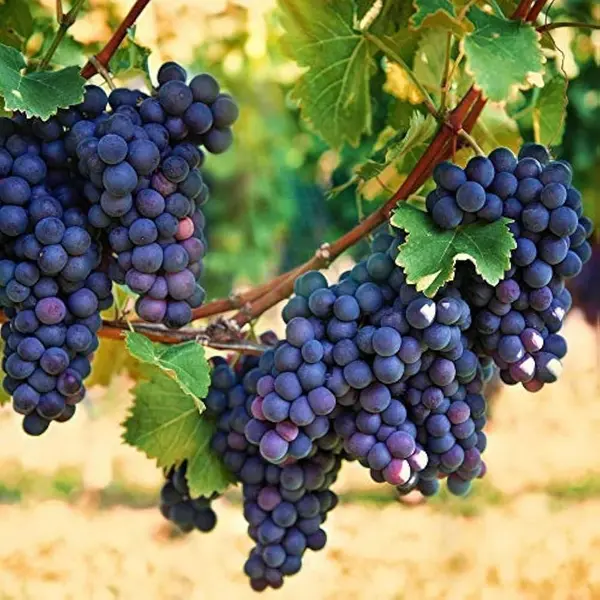
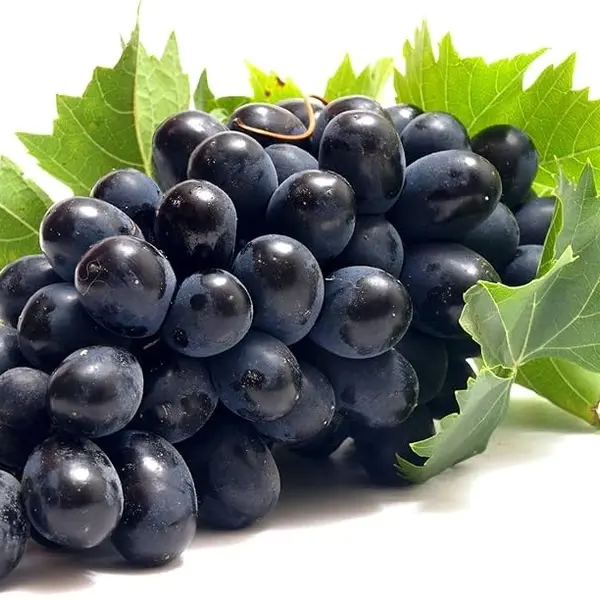
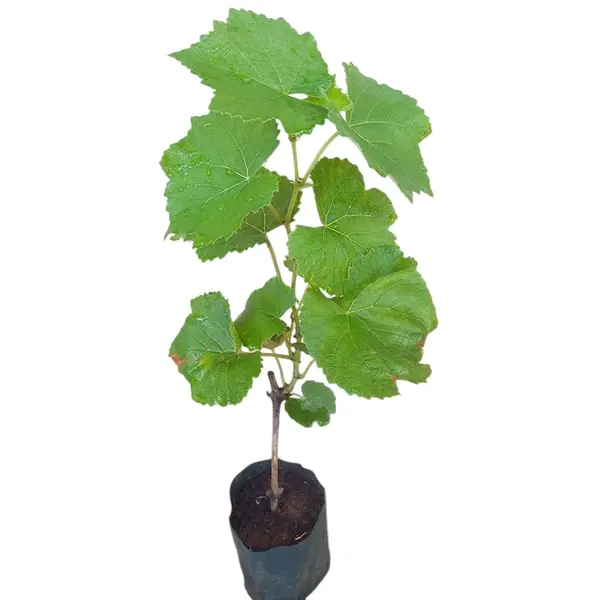
Grapes Plant
₹1.00
Out of stock
Email when stock available
Selling Size : Single Plant | Pot Included | Secure Packing
Grapes Plant (Vitis vinifera) are one of the most rewarding fruit plants to grow at home, offering beautiful vines, fragrant flowers, and delicious fruit clusters. Whether trained on a pergola, balcony trellis, or grown in open fields, grapevines thrive when provided with proper sunlight, structured pruning, and well-draining soil. Below is a complete 600-word care guide to grow a healthy, high-yielding grapes plant.
Grapes Plant – Complete Care Guide :
1. Light Requirements
Grape plants love full sunlight, ideally 6–8 hours of direct sun daily. Light is crucial for flowering, fruit sweetness, and overall vine vigor. Without enough sun, the plant produces fewer flowers and low-quality fruits. Plant your vine near a south-facing wall, open garden, or rooftop where it receives long hours of bright sun.
If grown on a balcony, make sure it is an open, well-lit spot and train the vine upward using wires or a strong support system.
2. Temperature & Climate Requirements
Grapevines thrive in warm, dry climates. Ideal temperatures range from 20°C–32°C. They tolerate mild cold but are sensitive to heavy frost, which can damage new shoots. A warm, sunny climate encourages the best fruit quality.
Good air circulation is essential to prevent fungal diseases, so avoid spaces that are too congested or shaded.
3. Watering
Grapes prefer deep, infrequent watering rather than shallow everyday watering. The goal is to encourage deep root growth. Water thoroughly once or twice a week during the active growing season. Adjust based on climate—hot, dry regions may require more frequent watering.
Reduce watering when grapes begin ripening, as too much water at this stage dilutes sweetness and may cause fruit cracking. Avoid waterlogging at all times; well-drained soil is a must to prevent root rot.
4. Soil Requirements
Grape plants thrive in well-drained, loose, and slightly sandy soil with a pH between 6.0–7.0. Avoid heavy clay soils that hold excess moisture. The ideal mix includes:
-
40% garden soil
-
30% river sand
-
30% compost or well-rotted cow manure
If planting in pots, choose a minimum 18–24 inch container with large drainage holes. Raised beds also work well for grapes in home gardens.
5. Fertilising
Grapevines need balanced nutrition for strong growth and high fruit production. Fertilise using:
-
NPK 10-10-10 or 14-14-14 during the growth period
-
Compost or farmyard manure in early spring
-
Extra potassium (K) before flowering to improve fruit set and sweetness
Young plants benefit from fertilising every 45 days. Mature vines need fertiliser 2–3 times a year. Overfertilising with nitrogen can cause excessive leafy growth at the expense of flowers and fruits.
6. Pruning & Training
Pruning is the most important part of grape care. Grapevines fruit on new growth, so annual pruning ensures strong, healthy shoots.
Prune during the dormant season (late winter):
-
Remove dead, weak, or tangled branches
-
Keep only strong, healthy canes
-
Train the vine along wires, trellises, or pergola structures
Training methods such as the single-stem cordon or overhead bower system allow better air circulation, easier harvesting, and higher fruit yields.
7. Flowering & Fruiting
Grapes flower in spring and fruits mature during late summer to early autumn. Fruit quality depends on sunlight, pruning, and controlled watering. Clusters can be thinned if needed to ensure bigger, sweeter grapes. Support fruiting branches properly to prevent bending.
8. Humidity & Air Circulation
Grapevines prefer moderate humidity. High humidity increases the risk of fungal diseases such as powdery mildew and black rot. Ensure good airflow around the plant, avoid overcrowding, and keep leaves dry when watering to reduce disease risks.
9. Pests & Diseases
Common issues include:
-
Mealybugs
-
Aphids
-
Thrips
-
Spider mites
-
Powdery mildew
-
Anthracnose
Spray neem oil every 15 days as a preventive measure. Maintain proper spacing, prune regularly, and avoid overwatering to reduce fungal infections.
10. Harvesting
Grapes are ready to harvest when they reach full colour, sweetness, and plumpness. Once harvested, grapes do not continue to ripen, so taste a few before cutting the clusters. Handle fruits gently to avoid bruising.
Related products
-
Philodendron Xanadu
Original price was: ₹450.00.₹199.00Current price is: ₹199.00.Add to cartSelling size:Well rooted plant | 2.5″ Pot Included | Secure Packing The Philodendron Xanadu, now officially classified as Thaumatophyllum xanadu, is a fantastic and relatively easy-to-care-for houseplant. It’s known for its compact, bushy growth habit and deeply lobed, glossy green leaves that give it a sophisticated, tropical look. Here is a complete guide to caring …
-
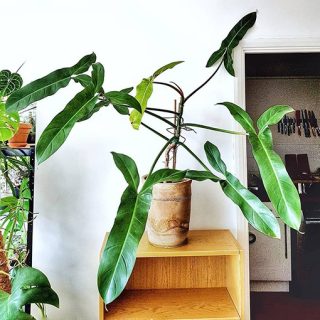
Philodendron Mexicanum
Original price was: ₹1,090.00.₹749.00Current price is: ₹749.00.Add to cartSelling size: Single Plant | Pot included The Philodendron mexicanum is a beautiful vining plant known for its long, arrow-shaped leaves with a striking deep maroon or reddish underside. As its name suggests, it is native to the tropical forests of Mexico. It’s a relatively easy-to-care-for plant, especially for those familiar with other vining philodendrons. …
-
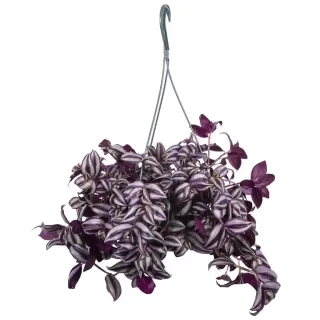
Wandering Jew Plant
Original price was: ₹305.00.₹149.00Current price is: ₹149.00.Add to cartSelling size: This plant comes in a 2.5″ Square pot The Wandering Jew Plant, also known as the Tradescantia! They’re such vibrant and easy-to-love plants. To keep yours thriving, here’s a rundown of Wandering Jew Plant care needs: Light: They absolutely love bright, indirect sunlight. Think of a spot near an east- or west-facing window …
-
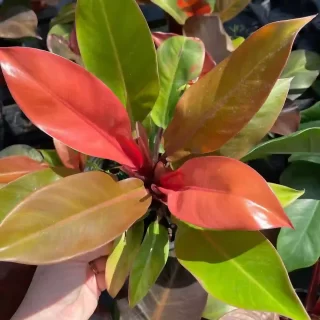
Philodendron ‘Prince of Orange’
Price range: ₹199.00 through ₹620.00Select options This product has multiple variants. The options may be chosen on the product pageSelling Size : Single Plant | Pot Included | Secure Packing The Philodendron ‘Prince of Orange’ is a stunning and popular hybrid known for its vibrant, ever-changing leaf colors. New leaves emerge as a brilliant orange or coppery color, and as they mature, they transition to a lime green, then a deep, glossy green. It …
-
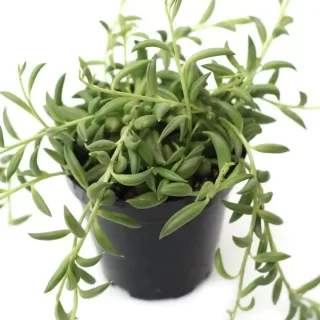
String of Bananas
Original price was: ₹450.00.₹249.00Current price is: ₹249.00.Add to cartSelling size: Mentioned in last Picture | Secure Packing The String of Bananas (Curio radicans or Senecio radicans) is a charming trailing succulent known for its long, cascading stems covered in plump, banana-shaped leaves. It’s a popular choice for hanging baskets and is generally easy to care for, especially for those who are new …
-
Calathiya Rattlesnake Plant
Price range: ₹125.00 through ₹549.00Select options This product has multiple variants. The options may be chosen on the product pageSelling size: Please Choose | Secure Packing | 2.5″-4″ Pot Included Calathiya rattlesnake is a plant easy to care for. However, there are a few measures and precautions you need to take to grow and maintain yours. Here’s a comprehensive guide for rattlesnake plant : Light Calathea Lancifolia prefers bright, indirect light. Like most variegated …
-
Columbian Peperomia (Galaxy pepperomia)
Original price was: ₹345.00.₹183.65Current price is: ₹183.65.Read moreSelling size:Well rooted plant in a jiffy bag The Columbian Peperomia (Peperomia metallica var. columbiana) is a visually striking and relatively low-maintenance houseplant. It is also sometimes sold as “Galaxy Peperomia,” a name that hints at its unique foliage. This plant is known for its beautiful, semi-succulent leaves that have a dark green or bronze-purple …


 If you need any assistance, I'm always here. Have you found what you were looking for?