
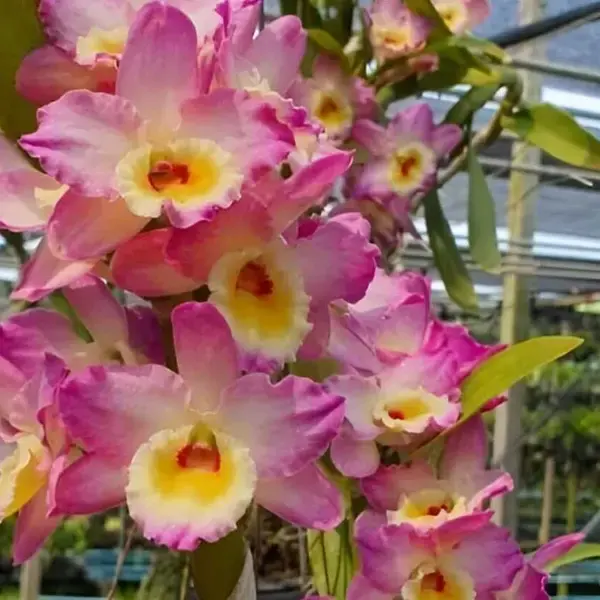
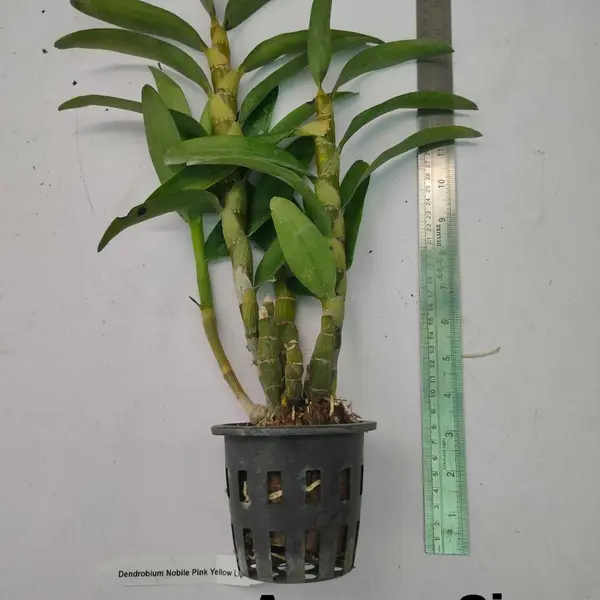
Dendrobium Nobile Pink Yellow Lip Blooming stage
Original price was: ₹1,399.00.₹1,149.00Current price is: ₹1,149.00.
Selling Size : Last Image | Net Pot Included | secure Packing
Dendrobium Nobile Pink Yellow Lip Blooming stage is a classic and beloved orchid hybrid, known for its beautiful, often fragrant flowers that typically bloom in late winter to early spring. Unlike some other Dendrobiums, Nobile types have a distinct seasonal growth and rest cycle that’s crucial for abundant flowering.
Here’s how to care forDendrobium Nobile Pink Yellow Lip Blooming stage:
Key Differences from other Dendrobiums (like Phalaenopsis types):
- Deciduous/Semi-deciduous: Nobile Dendrobiums often shed some or all of their leaves before or during their blooming period, especially the older canes. Don’t worry, this is normal!
- Cool, Dry Rest Period: This is the most critical factor for successful blooming in Nobile Dendrobiums. They need a distinct period of cooler temperatures and reduced watering to initiate flower buds.
Seasonal Care Guide for Dendrobium Nobile ‘Pink Yellow Lip’:
1. Spring/Summer (Active Growth Period – Post-Blooming to Early Fall)
- Light: Provide bright, indirect light. Nobile Dendrobiums can tolerate quite a bit of sun, but avoid harsh, direct midday sun that can scorch leaves. An east or south-facing window is ideal. Good light promotes strong, thick canes which are essential for future blooms.
- Temperature: Warm temperatures are preferred during this active growth phase. Daytime temperatures between to ( to ) and nighttime temperatures not dropping below ().
- Watering: Water frequently and generously as the new growths emerge and mature. The potting mix should be allowed to approach dryness but still feel lightly damp before rewatering. Water thoroughly until water drains from the bottom of the pot.
- Humidity: Maintain moderate to high humidity (50-70%). Misting in the morning can be beneficial, especially in dry climates.
- Fertilization: This is the peak feeding period. Use a balanced orchid fertilizer (e.g., NPK 20-20-20 or similar) at half to full strength every 1-2 weeks. Some growers fertilize with every watering, flushing with plain water once a month to prevent salt buildup. The goal is to encourage vigorous growth of new canes.
- Potting: Repotting is best done right after flowering when new roots are emerging. Nobile Dendrobiums prefer to be somewhat root-bound, so choose a pot that is only slightly larger than the root mass. Use a well-draining orchid mix like bark, coconut husk, or a mix of both.
2. Fall (Maturing Canes & Preparation for Rest)
- Light: Continue to provide bright light. Strong light in the fall helps mature the canes and prepare them for blooming.
- Temperature: As autumn progresses, gradually introduce cooler nighttime temperatures. This is crucial for flower bud initiation. Aim for nighttime temperatures between to ( to ). Day temperatures can be slightly warmer.
- Watering: Gradually reduce watering. Allow the potting mix to dry out more thoroughly between waterings. The goal is to slightly stress the plant.
- Fertilization: Stop fertilizing completely by early to mid-fall. Excess nitrogen at this stage can promote “keikis” (baby plantlets) instead of flowers.
3. Winter (Cool, Dry Rest Period – Inducing Blooms)
- Light: Maintain bright light. Even with reduced watering, strong light is still important.
- Temperature: This is the most critical period. Maintain cool nighttime temperatures, ideally between to ( to ). Day temperatures can be around to ( to ). If you live in a climate where these temperatures naturally occur outdoors without frost, you can place them outside in a sheltered spot.
- Watering: Water minimally, just enough to prevent the canes from shriveling excessively. This might mean watering only every 2-3 weeks, or even less, depending on your environment. The canes might shrivel slightly, which is normal, but they shouldn’t become severely dehydrated.
- Humidity: Maintain some humidity, but the emphasis is on a drier root zone.
- Fertilization: Do not fertilize during this rest period.
4. Late Winter/Early Spring (Blooming Stage)
- Observation: Once you start to see small nubs or bumps emerging along the sides of the canes (often on leafless canes), these are your flower buds!
- Temperature: Once flower buds appear, you can slightly raise the nighttime temperatures to to ( to ) to speed up flower development.
- Watering: Gradually increase watering as the flower buds develop and begin to open. Once in full bloom, water consistently but still allow for slight drying between waterings.
- Fertilization: You can resume light fertilization once the flower buds are well-developed and starting to open, using a balanced orchid fertilizer at half strength.
- Display: While in bloom, you can move the plant to a slightly cooler spot (out of direct sun) to prolong the flower life. Avoid drafts.
- Fragrance: Many Nobile Dendrobiums have a lovely fragrance, often more noticeable in the morning or on sunny days.
Common Issues and Tips:
- No Blooms (Keikis instead): The most common reason is insufficient cool, dry rest in the fall/winter, or too much nitrogen fertilizer during the fall.
- Shriveling Canes: Normal during the dry rest period, but if severe, increase watering slightly.
- Leaf Drop: Normal for Nobile types, especially from older canes, before or during blooming.
- Root Rot: Caused by overwatering, especially during the rest period. Ensure excellent drainage.
By understanding and adhering to the distinct seasonal needs of Dendrobium Nobile ‘Pink Yellow Lip’, particularly the crucial cool, dry rest period, you’ll be rewarded with a spectacular display of its beautiful pink and yellow flowers.
You must be logged in to post a review.
Related products
-
Golden Pothos
Original price was: ₹355.00.₹99.00Current price is: ₹99.00.Add to cartSelling size : Well rooted plant | 2.5″ pot included The Golden Pothos (Epipremnum aureum), also known as Devil’s Ivy, is one of the most popular and easiest houseplants to care for, making it an excellent choice for beginners. It’s a vining plant with heart-shaped leaves that are a vibrant green, often with splashes or …
-
Philodendron Burle Marx Plant
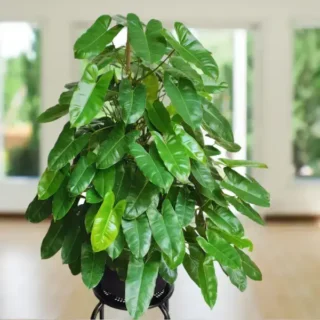
Original price was: ₹485.00.₹149.00Current price is: ₹149.00.Add to cartSelling size: Single plant | Pot Included | Secure Packing The Philodendron Burle Marx is a fantastic and relatively easy-to-care-for plant, known for its glossy, spade-shaped leaves and dense, clumping growth. It’s often recommended as a great choice for beginner houseplant owners. Here is a comprehensive care guide for your Philodendron Burle Marx: Light …
-
Dischidia Oiantha plant
Price range: ₹99.00 through ₹599.00Select options This product has multiple variants. The options may be chosen on the product pagePlant Size: Single plant | Secure Packing The Dischidia oiantha, often referred to as a “Hoya cousin,” is a charming, easy-to-care-for epiphyte with trailing vines and small, oval, succulent-like leaves. It’s a great choice for hanging baskets or for adding a touch of whimsy to a shelf. Here is a comprehensive guide to caring for …
-
Pilea Repens, Black Panamiga
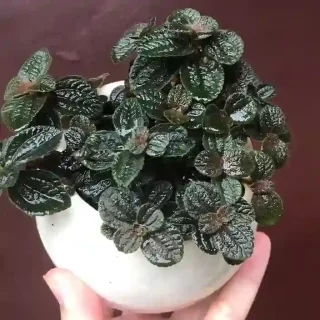
Original price was: ₹280.00.₹149.00Current price is: ₹149.00.Add to cartSize: Single Plant | Jiffy Bag Caring for a Pilea Ripens (also known as Black Panamiga) involves understanding its specific needs to ensure it thrives. Here’s a breakdown of Pilea Repens, Black Panamiga key care aspects: Key Care Points: Light: Pilea repens prefers bright, indirect sunlight. Direct sunlight can scorch its leaves. Rotating the plant …
-
Philodendron Xanadu
Original price was: ₹450.00.₹199.00Current price is: ₹199.00.Add to cartSelling size:Well rooted plant | 2.5″ Pot Included | Secure Packing The Philodendron Xanadu, now officially classified as Thaumatophyllum xanadu, is a fantastic and relatively easy-to-care-for houseplant. It’s known for its compact, bushy growth habit and deeply lobed, glossy green leaves that give it a sophisticated, tropical look. Here is a complete guide to caring …
-
Philodendron Mican plant
Original price was: ₹650.00.₹99.00Current price is: ₹99.00.Add to cartSelling size: A well rooted plant | 2.5″ Pot Included The Philodendron Micans (Philodendron hederaceum ‘Micans’), also known as the Velvet-Leaf Philodendron, is a popular, easy-care trailing or climbing houseplant prized for its unique, velvety, heart-shaped leaves that emerge a beautiful chartreuse/pink and mature to a deep, iridescent, bronze-green with hints of purple. Here is …
-
Calathiya Rattlesnake Plant
Price range: ₹125.00 through ₹549.00Select options This product has multiple variants. The options may be chosen on the product pageSelling size: Please Choose | Secure Packing | 2.5″-4″ Pot Included Calathiya rattlesnake is a plant easy to care for. However, there are a few measures and precautions you need to take to grow and maintain yours. Here’s a comprehensive guide for rattlesnake plant : Light Calathea Lancifolia prefers bright, indirect light. Like most variegated …





 If you need any assistance, I'm always here. Have you found what you were looking for?
Reviews
There are no reviews yet.