
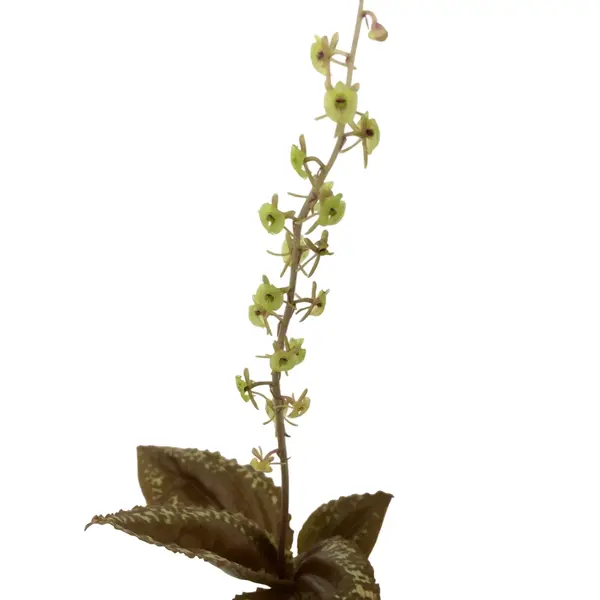
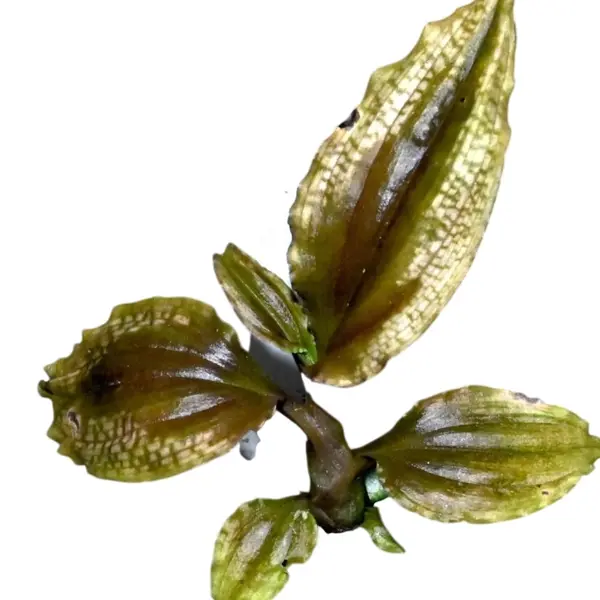
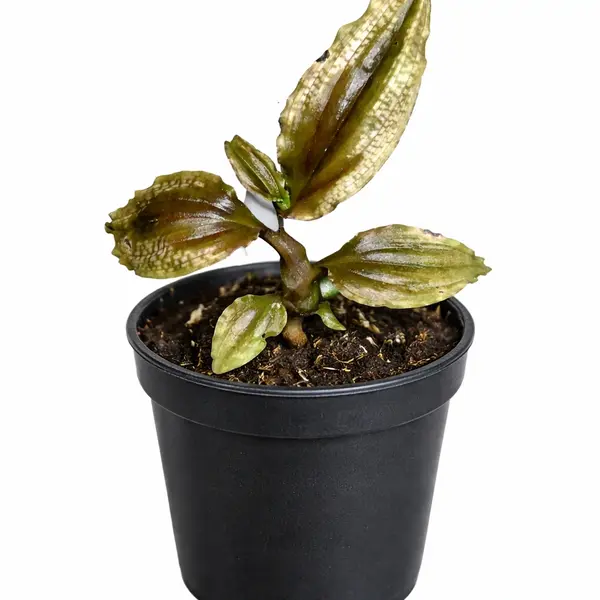
Crepidium Calophyllum
Original price was: ₹1,500.00.₹1,144.00Current price is: ₹1,144.00.
Selling Size : Single Plant | Pot Included | Secure Packing | Free Delivery
Crepidium calophyllum is a rare and attractive terrestrial orchid valued for its glossy foliage and delicate, unusual flowers. Unlike many common epiphytic orchids, this species naturally grows in soil-rich forest floors, which means its care requirements are a bit different from typical bark-grown orchids. With the right balance of moisture, warmth, and filtered light, Crepidium calophyllum can grow well in a controlled home or greenhouse environment.
Crepidium calophyllum Care Guide :
Light Requirements
Crepidium calophyllum prefers bright, filtered light to partial shade. In its natural habitat, it grows under tree canopies where sunlight is softened. Indoors, place it near an east-facing window or a bright north window. If using a south or west window, provide a sheer curtain to diffuse direct rays. Too much sun can scorch leaves and cause yellow patches, while too little light leads to weak growth and poor flowering. The leaves should remain deep green — pale leaves often indicate excessive light.
Watering
Because it is a terrestrial orchid, Crepidium calophyllum enjoys consistent moisture but not waterlogged soil. Water when the top layer of the growing medium begins to feel slightly dry. The root zone should stay lightly moist at all times. Never allow the pot to sit in standing water. Good drainage is essential to prevent root rot. During warm growing months, watering may be needed several times per week. In cooler months, reduce frequency but do not let the mix fully dry out.
Growing Medium
Use a loose, moisture-retentive but well-draining mix. A good blend includes fine orchid bark, cocopeat or peat moss, leaf mold or compost, and perlite. You can also add a small amount of charcoal to keep the mix fresh. Avoid heavy garden soil alone, as it compacts too much and suffocates roots. The goal is a forest-floor style substrate — airy yet moisture-holding.
Temperature
Crepidium calophyllum prefers warm to intermediate temperatures, ideally between 20–30°C. It does not tolerate cold conditions well. Try to keep temperatures above 15°C at all times. Sudden temperature drops can stress the plant and slow growth. Stable warmth encourages root activity and leaf development. It grows especially well in tropical and subtropical indoor environments.
Humidity
This orchid enjoys moderate to high humidity, ideally 60–80%. If indoor air is dry, increase humidity using a humidity tray, room humidifier, or by grouping plants together. Light morning misting is helpful, but avoid heavy misting late in the day. Good airflow is important when humidity is high to prevent fungal problems.
Fertilizing
Feed lightly but regularly during active growth. Use a balanced orchid fertilizer diluted to one-quarter or half strength every 2–3 weeks. Because this species grows in a more soil-like medium, you can also occasionally use a mild organic liquid feed such as seaweed extract or compost tea. Flush the pot with plain water once a month to prevent salt buildup from fertilizers.
Potting and Repotting
Repot every 1–2 years or when the medium begins to break down. Choose a shallow, wide pot with good drainage holes. Repotting is best done at the start of the growing season. Be gentle with the roots, as terrestrial orchid roots can be more fragile than epiphytic types. Refresh with new medium to maintain aeration and hygiene.
Airflow
Provide gentle air circulation around the plant. Stagnant air combined with high moisture can encourage fungal disease. A small fan in a grow area or an open, ventilated room works well. Avoid placing the plant in strong wind or direct AC drafts.
Pests and Problems
Watch for common pests such as mealybugs, fungus gnats, and aphids. Because the medium stays moist, fungus gnats are the most likely issue. Use neem oil or biological controls if needed. Yellowing leaves often signal overwatering or poor drainage, while wrinkling may indicate underwatering.
Propagation
Propagation is usually done by division when the plant forms multiple growth clumps. Each division should have healthy roots and shoots. This is best performed during repotting.
With warm temperatures, filtered light, steady moisture, and high humidity, Crepidium calophyllum can grow successfully and become a unique highlight in any orchid or rare plant collection.
Related products
-
Black zz plant, Raven ZZ Plant
Price range: ₹99.00 through ₹499.00Select options This product has multiple variants. The options may be chosen on the product pageSelling size: Please Choose (Single – Bushy) | 2.5″-5” Pot Included | Secure Packing The Black ZZ Plant, or Raven ZZ Plant (Zamioculcas zamiifolia ‘Raven’), is a popular, exceptionally resilient houseplant known for its striking, nearly black foliage. It shares the easy-care nature of the standard green ZZ plant, making it perfect for beginners or …
-
Philodendron Xanadu
Original price was: ₹450.00.₹199.00Current price is: ₹199.00.Add to cartSelling size:Well rooted plant | 2.5″ Pot Included | Secure Packing The Philodendron Xanadu, now officially classified as Thaumatophyllum xanadu, is a fantastic and relatively easy-to-care-for houseplant. It’s known for its compact, bushy growth habit and deeply lobed, glossy green leaves that give it a sophisticated, tropical look. Here is a complete guide to caring …
-
Dischidia nummularia (Pebble Beach/ Button Orchid)
Price range: ₹99.00 through ₹599.00Select options This product has multiple variants. The options may be chosen on the product pagePlant Size: Single plant | 2.5″ Pot Included he Dischidia nummularia, commonly known as the String of Nickels, Pebble Beach plant, or Button Orchid, is a charming epiphyte with trailing stems covered in small, round, succulent-like leaves. It’s a great choice for hanging baskets and is known for being relatively easy to care for, especially …
-
Pilea Repens, Black Panamiga
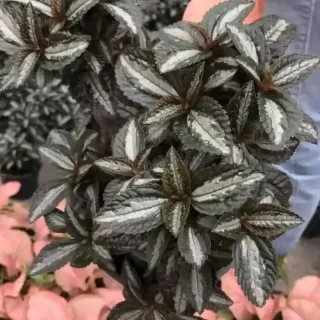
Original price was: ₹280.00.₹149.00Current price is: ₹149.00.Add to cartSize: Single Plant | Jiffy Bag Caring for a Pilea Ripens (also known as Black Panamiga) involves understanding its specific needs to ensure it thrives. Here’s a breakdown of Pilea Repens, Black Panamiga key care aspects: Key Care Points: Light: Pilea repens prefers bright, indirect sunlight. Direct sunlight can scorch its leaves. Rotating the plant …
-
Golden Sedum Plant
Original price was: ₹549.00.₹349.00Current price is: ₹349.00.Add to cartSelling size: Well rooted plan | 2.5″ pot included The Golden Sedum (Sedum adolphii) is a popular succulent known for its bright, fleshy, evergreen leaves that can take on a beautiful golden-yellow or even reddish-pink tint in bright sun. It has a trailing or spreading growth habit, making it a great choice for hanging baskets, …
-
Tillandsia Stricta (Air plant)
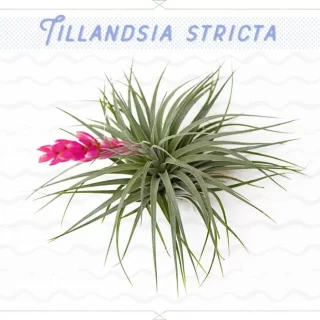
Original price was: ₹400.00.₹199.00Current price is: ₹199.00.Add to cartSelling size: Single plant | Secure Packing The Tillandsia Stricta (Air plant) is one of the most popular and adaptable species of air plants, known for its soft, green-silver foliage and beautiful blooms. Like all air plants, it is epiphytic, meaning it absorbs all its water and nutrients through its leaves from the air, not …
-
Golden Pothos
Original price was: ₹355.00.₹99.00Current price is: ₹99.00.Add to cartSelling size : Well rooted plant | 2.5″ pot included The Golden Pothos (Epipremnum aureum), also known as Devil’s Ivy, is one of the most popular and easiest houseplants to care for, making it an excellent choice for beginners. It’s a vining plant with heart-shaped leaves that are a vibrant green, often with splashes or …





 If you need any assistance, I'm always here. Have you found what you were looking for?