
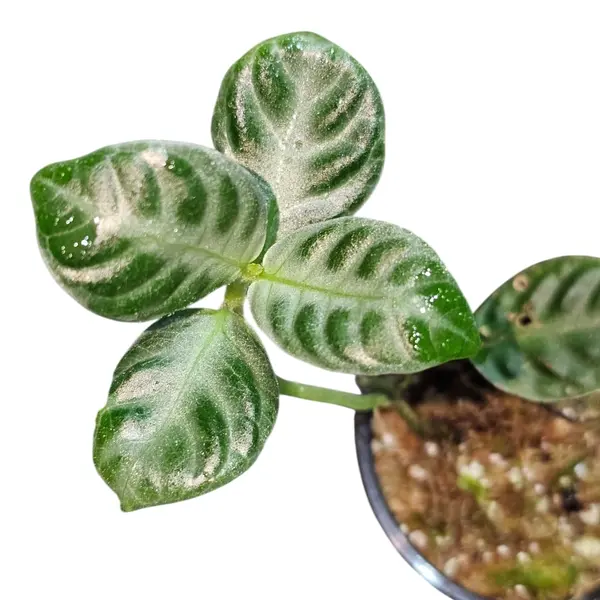
Cosmianthemum sp
₹1.00
Out of stock
Email when stock available
Selling Size : Single Plant | Pot Included | Secure Packing
Cosmianthemum sp. is a rare and attractive tropical flowering plant belonging to the Acanthaceae family. It is valued for its soft foliage and delicate, ornamental blooms that add subtle elegance to shaded gardens and indoor collections. Native to humid tropical regions, Cosmianthemum thrives when its natural rainforest conditions—filtered light, warmth, and moisture—are carefully recreated.
Cosmianthemum sp. Care Guide :
Light Requirements
Cosmianthemum sp. prefers bright, indirect light or partial shade. In its natural habitat, it grows under forest canopies where sunlight is diffused. Indoors, place the plant near an east-facing window or in a bright room away from harsh direct sun. Outdoors, it performs well in shaded patios or under shade nets.
Direct sunlight can scorch the leaves and reduce flowering, while very low light may result in weak growth and fewer blooms. Balanced, gentle light is key to keeping the plant healthy and attractive.
Watering
This plant enjoys consistently moist soil, but it does not tolerate waterlogging. Water when the top 2–3 cm of soil begins to dry, ensuring the soil remains evenly damp. Allow excess water to drain freely, and never let the roots sit in standing water.
During hot or dry periods, watering frequency may increase. In cooler months, reduce watering slightly but do not allow the soil to dry out completely, as Cosmianthemum is sensitive to drought stress.
Soil and Potting
Cosmianthemum sp. requires a light, well-draining, organic-rich soil mix. A combination of coco peat or peat moss, perlite, and compost or vermicompost works well. Adding a small amount of sand or fine bark helps improve aeration and drainage.
Choose a pot with good drainage holes. Repotting is generally needed every 1–2 years or when the plant becomes root-bound. Repot during spring or early summer for best recovery.
Temperature and Humidity
Being a tropical plant, Cosmianthemum sp. thrives in temperatures between 18–30°C. It is sensitive to cold and should be protected from temperatures below 15°C, cold drafts, and sudden temperature changes.
High humidity is important for healthy foliage and flowering. Aim for 60–80% humidity. In dry indoor environments, use a humidifier, pebble tray, or group plants together to increase humidity. Low humidity may cause leaf edges to dry or flowers to drop prematurely.
Fertilization
Feed Cosmianthemum sp. with a balanced liquid fertilizer diluted to half strength every 2–3 weeks during the growing and flowering season. This supports steady growth and encourages blooming.
Avoid over-fertilizing, as excess nutrients may lead to leggy growth or leaf burn. Reduce feeding during autumn and winter when the plant’s growth naturally slows.
Pruning and Maintenance
Light pruning helps maintain a compact shape and encourages bushier growth. Remove spent flowers and trim back leggy stems to promote fresh shoots and more blooms. Always use clean, sharp tools to prevent disease.
Keep the leaves clean by gently wiping them with a damp cloth to remove dust, which helps improve photosynthesis.
Pests and Common Problems
Cosmianthemum sp. may occasionally attract aphids, spider mites, or mealybugs, especially in dry or poorly ventilated conditions. Regular inspection helps detect problems early. Treat infestations with neem oil or insecticidal soap.
Yellowing leaves may indicate overwatering, while wilting or dry leaf edges usually point to underwatering or low humidity.
Flowering Tips
For better flowering:
-
Provide bright, indirect light
-
Maintain consistent moisture
-
Ensure warm temperatures
-
Feed lightly during the growing season
-
Avoid sudden environmental changes
Final Thoughts
Cosmianthemum sp. is a graceful and rewarding tropical plant that brings understated beauty to shaded spaces. With filtered light, consistent moisture, warm temperatures, and good humidity, this rare plant will thrive and produce charming blooms, making it a valuable addition to any tropical plant collection.
Related products
-
Philodendron Xanadu
Original price was: ₹450.00.₹199.00Current price is: ₹199.00.Add to cartSelling size:Well rooted plant | 2.5″ Pot Included | Secure Packing The Philodendron Xanadu, now officially classified as Thaumatophyllum xanadu, is a fantastic and relatively easy-to-care-for houseplant. It’s known for its compact, bushy growth habit and deeply lobed, glossy green leaves that give it a sophisticated, tropical look. Here is a complete guide to caring …
-
Pilea Repens, Black Panamiga
Original price was: ₹280.00.₹149.00Current price is: ₹149.00.Add to cartSize: Single Plant | Jiffy Bag Caring for a Pilea Ripens (also known as Black Panamiga) involves understanding its specific needs to ensure it thrives. Here’s a breakdown of Pilea Repens, Black Panamiga key care aspects: Key Care Points: Light: Pilea repens prefers bright, indirect sunlight. Direct sunlight can scorch its leaves. Rotating the plant …
-
String Of Nickels (Dischidia nummularia)
Price range: ₹99.00 through ₹599.00Select options This product has multiple variants. The options may be chosen on the product pageSelling size: Well rooted plant in a Jiffy bag The Dischidia nummularia, commonly known as the String of Nickels or Button Orchid, is a delightful and easy-to-care-for trailing epiphyte. Its common name comes from its small, round, coin-shaped leaves that densely cover its long, slender stems. As a relative of the Hoya, it shares a similar …
-
Heliconia Variegated – Super Rare
Original price was: ₹2,599.00.₹1,099.00Current price is: ₹1,099.00.Add to cartPlant size: Single plant | Pot Included | Free shipping The Variegated Heliconia (often a cultivar of Heliconia psittacorum, like ‘Lady Di’ or ‘Golden Torch’) is a striking tropical plant known for its banana-like leaves splashed with stripes of cream, yellow, or white. It is a demanding plant, requiring specific tropical conditions to thrive, especially …
-
Dischidia Ruscifolia (Million Hearts)
Price range: ₹199.00 through ₹499.00Select options This product has multiple variants. The options may be chosen on the product pagePlant Size: Single plant | 2.5″-6″ Pot Included The Dischidia Ruscifolia (Million Hearts), commonly known as the Million Hearts plant, is a delightful and easy-to-care-for trailing epiphyte. Its name comes from the abundance of small, heart-shaped leaves that densely cover its slender stems. As a member of the same family as Hoyas, its care …
-
Golden Sedum Plant
Original price was: ₹549.00.₹349.00Current price is: ₹349.00.Add to cartSelling size: Well rooted plan | 2.5″ pot included The Golden Sedum (Sedum adolphii) is a popular succulent known for its bright, fleshy, evergreen leaves that can take on a beautiful golden-yellow or even reddish-pink tint in bright sun. It has a trailing or spreading growth habit, making it a great choice for hanging baskets, …
-
Pellionia repens var. pulchra
Original price was: ₹325.00.₹149.00Current price is: ₹149.00.Add to cartSelling size: Well rooted plant in a jiffy bag | Secure Packing The Pellionia repens var. pulchra, often called the Trailing Watermelon Begonia, is a beautiful and easy-to-care-for trailing plant. Its common name comes from the striking, patterned leaves that resemble the rind of a watermelon. Despite the name, it is not a true begonia …
-
Calathiya Rattlesnake Plant
Price range: ₹125.00 through ₹549.00Select options This product has multiple variants. The options may be chosen on the product pageSelling size: Please Choose | Secure Packing | 2.5″-4″ Pot Included Calathiya rattlesnake is a plant easy to care for. However, there are a few measures and precautions you need to take to grow and maintain yours. Here’s a comprehensive guide for rattlesnake plant : Light Calathea Lancifolia prefers bright, indirect light. Like most variegated …







 If you need any assistance, I'm always here. Have you found what you were looking for?