
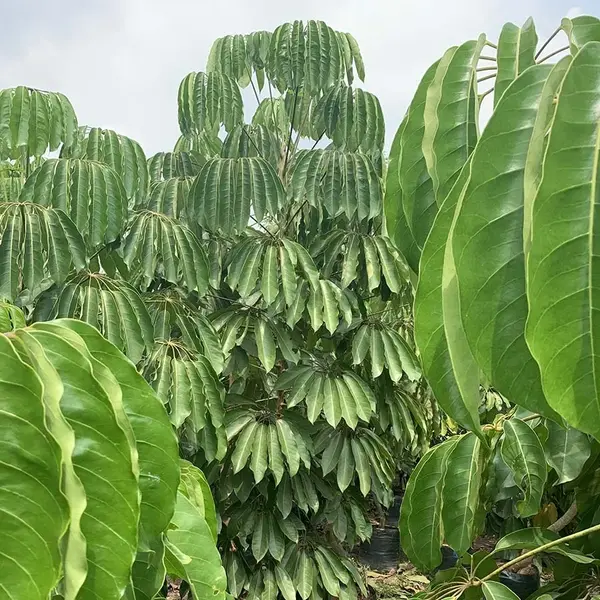
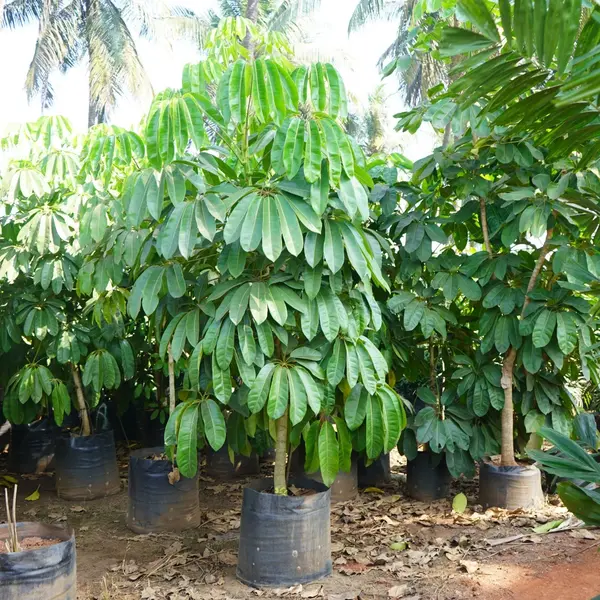
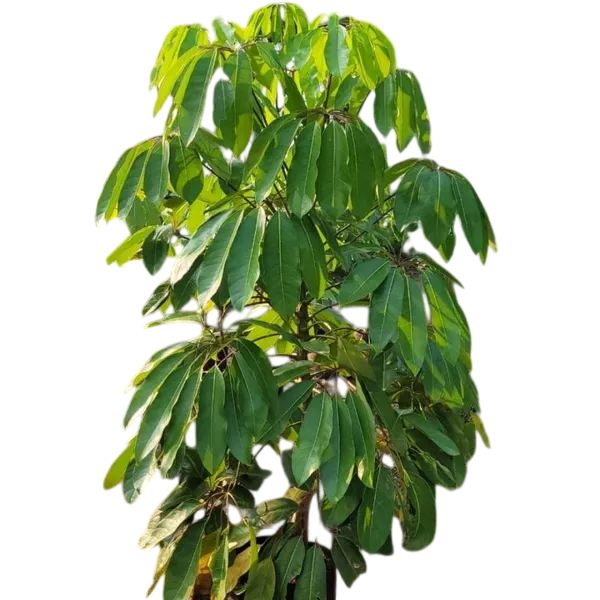
Brassia Actinophylla
Original price was: ₹1,500.00.₹949.00Current price is: ₹949.00.
Selling Size : Single Plant | Pot Included | Secure Packing
Brassia actinophylla, commonly known as the Spider Orchid, is a striking epiphytic orchid admired for its long, narrow, spider-like petals and sepals. Native to the humid forests of Central and South America, this orchid grows naturally on tree branches where it receives filtered light, high humidity, and excellent air circulation. With proper care, Brassia actinophylla produces dramatic, fragrant blooms that last for several weeks.
Brassia Actinophylla (Spider Orchid) Care Guide :
Light Requirements
Brassia actinophylla prefers bright, indirect light. Place the orchid near an east- or south-facing window with filtered sunlight. Morning sun is beneficial, while harsh afternoon sun should be avoided as it can scorch the leaves. Leaves should be medium green; dark green leaves indicate insufficient light, while yellowing suggests excessive light exposure.
Watering
Water thoroughly when the growing medium begins to dry slightly but is not completely dry. Typically, watering once every 5–7 days works well in warm conditions, with less frequent watering during cooler months. Use room-temperature, non-chlorinated water if possible. Allow water to drain completely to prevent root rot, as Brassia orchids dislike sitting in wet conditions.
Growing Medium and Potting
Use a well-draining orchid mix, such as medium-grade bark mixed with charcoal and perlite. This mimics the orchid’s natural growing conditions and ensures excellent airflow around the roots. Repot every 1–2 years, preferably after flowering, when the medium begins to break down or roots outgrow the pot. Choose a pot that allows good drainage and airflow.
Temperature and Humidity
Brassia actinophylla thrives in intermediate to warm temperatures ranging between 18°C and 28°C. Night temperatures can be slightly cooler but should not drop below 14°C. High humidity is essential for healthy growth and flowering. Maintain humidity levels between 60% and 80%. Use a humidifier, humidity tray, or regular misting, ensuring good air circulation to prevent fungal issues.
Fertilization
Feed the orchid every two weeks during the active growing season using a balanced orchid fertilizer diluted to half strength. During cooler months or periods of slower growth, reduce feeding to once a month. Always water before fertilizing to avoid root burn and flush the medium occasionally to prevent salt buildup.
Air Circulation
Good air movement is crucial for Brassia actinophylla. Gentle airflow helps prevent fungal and bacterial diseases and promotes healthy root and leaf growth. A small fan set on low can be beneficial, especially in humid environments.
Flowering and Rest Period
Brassia actinophylla typically blooms once or twice a year, often producing multiple long-lasting flowers on arching spikes. After flowering, allow the plant a short rest period with slightly reduced watering and feeding. New growths will emerge from the base of the pseudobulbs, eventually producing the next flower spike.
Pruning and Maintenance
Remove spent flower spikes once blooming has finished by cutting close to the base. Do not remove healthy green pseudobulbs, as they store energy for future blooms. Remove only dried or shriveled pseudobulbs. Keep leaves clean by gently wiping them with a damp cloth.
Common Problems
Wrinkled pseudobulbs usually indicate underwatering or low humidity. Yellowing leaves can result from too much light or poor drainage. Watch for pests such as scale, mealybugs, and spider mites, and treat infestations promptly with appropriate orchid-safe treatments.
Toxicity
Brassia actinophylla is considered non-toxic to humans and pets, making it safe for homes with children and animals.
Conclusion
With bright filtered light, consistent watering, high humidity, and good air circulation, Brassia actinophylla rewards growers with stunning spider-like blooms and healthy growth. Its dramatic flowers and manageable care needs make it an excellent choice for both beginner and experienced orchid enthusiasts.
Related products
-
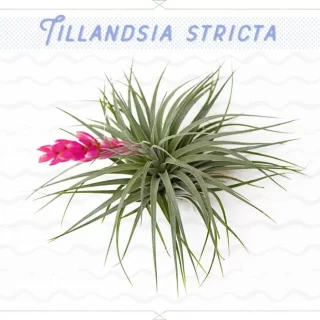
Tillandsia Stricta (Air plant)
Original price was: ₹400.00.₹199.00Current price is: ₹199.00.Add to cartSelling size: Single plant | Secure Packing The Tillandsia Stricta (Air plant) is one of the most popular and adaptable species of air plants, known for its soft, green-silver foliage and beautiful blooms. Like all air plants, it is epiphytic, meaning it absorbs all its water and nutrients through its leaves from the air, not …
-
Golden Pothos
Original price was: ₹355.00.₹99.00Current price is: ₹99.00.Add to cartSelling size : Well rooted plant | 2.5″ pot included The Golden Pothos (Epipremnum aureum), also known as Devil’s Ivy, is one of the most popular and easiest houseplants to care for, making it an excellent choice for beginners. It’s a vining plant with heart-shaped leaves that are a vibrant green, often with splashes or …
-
Dischidia Oiantha plant
Price range: ₹99.00 through ₹599.00Select options This product has multiple variants. The options may be chosen on the product pagePlant Size: Single plant | Secure Packing The Dischidia oiantha, often referred to as a “Hoya cousin,” is a charming, easy-to-care-for epiphyte with trailing vines and small, oval, succulent-like leaves. It’s a great choice for hanging baskets or for adding a touch of whimsy to a shelf. Here is a comprehensive guide to caring for …
-
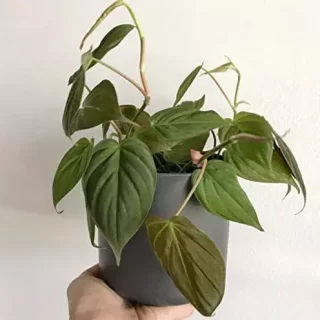
Philodendron Mican plant
Original price was: ₹650.00.₹99.00Current price is: ₹99.00.Add to cartSelling size: A well rooted plant | 2.5″ Pot Included The Philodendron Micans (Philodendron hederaceum ‘Micans’), also known as the Velvet-Leaf Philodendron, is a popular, easy-care trailing or climbing houseplant prized for its unique, velvety, heart-shaped leaves that emerge a beautiful chartreuse/pink and mature to a deep, iridescent, bronze-green with hints of purple. Here is …
-
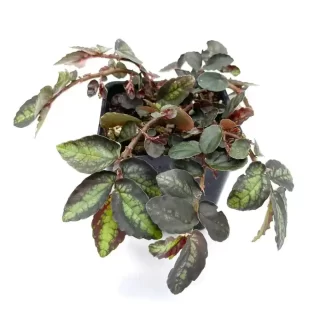
Pellionia repens var. pulchra
Original price was: ₹325.00.₹149.00Current price is: ₹149.00.Add to cartSelling size: Well rooted plant in a jiffy bag | Secure Packing The Pellionia repens var. pulchra, often called the Trailing Watermelon Begonia, is a beautiful and easy-to-care-for trailing plant. Its common name comes from the striking, patterned leaves that resemble the rind of a watermelon. Despite the name, it is not a true begonia …
-
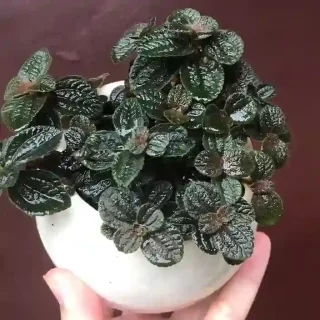
Pilea Repens, Black Panamiga
Original price was: ₹280.00.₹149.00Current price is: ₹149.00.Add to cartSize: Single Plant | Jiffy Bag Caring for a Pilea Ripens (also known as Black Panamiga) involves understanding its specific needs to ensure it thrives. Here’s a breakdown of Pilea Repens, Black Panamiga key care aspects: Key Care Points: Light: Pilea repens prefers bright, indirect sunlight. Direct sunlight can scorch its leaves. Rotating the plant …
-
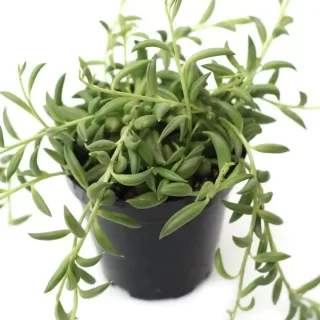
String of Bananas
Original price was: ₹450.00.₹249.00Current price is: ₹249.00.Add to cartSelling size: Mentioned in last Picture | Secure Packing The String of Bananas (Curio radicans or Senecio radicans) is a charming trailing succulent known for its long, cascading stems covered in plump, banana-shaped leaves. It’s a popular choice for hanging baskets and is generally easy to care for, especially for those who are new …
-
Philodendron Burle Marx Plant
Original price was: ₹485.00.₹149.00Current price is: ₹149.00.Add to cartSelling size: Single plant | Pot Included | Secure Packing The Philodendron Burle Marx is a fantastic and relatively easy-to-care-for plant, known for its glossy, spade-shaped leaves and dense, clumping growth. It’s often recommended as a great choice for beginner houseplant owners. Here is a comprehensive care guide for your Philodendron Burle Marx: Light …


 If you need any assistance, I'm always here. Have you found what you were looking for?