
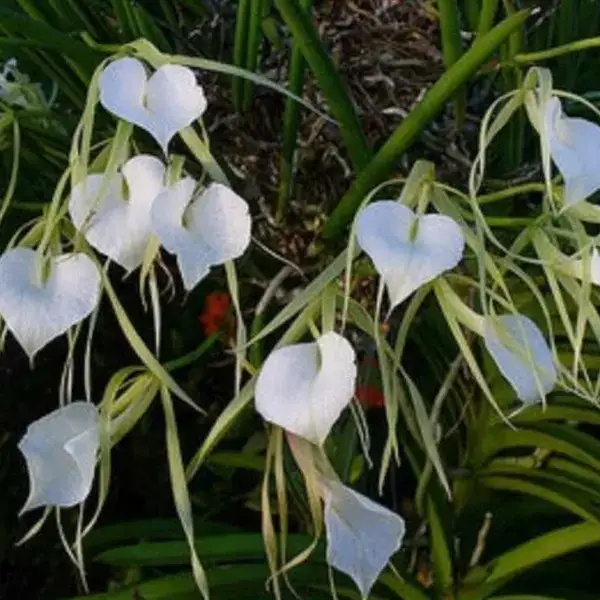
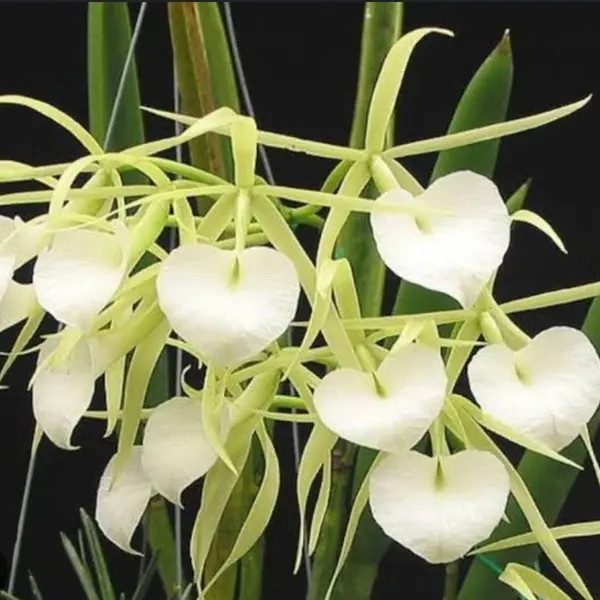
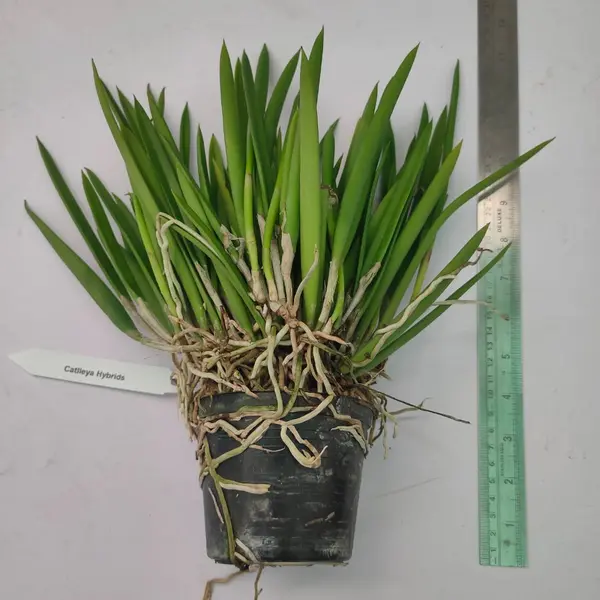
Brassavola Nadoza – Blooming Stage
Original price was: ₹2,850.00.₹1,499.00Current price is: ₹1,499.00.
Selling Size : Single Plant | NetPot Included | Secure Packing
Brassavola Nadoza – Blooming Stage, often called “Lady of the Night” due to its intense jasmine-like fragrance produced at night, is a popular and relatively easy-to-care-for orchid.
Here’s a breakdown of its care for Brassavola Nadoza – Blooming Stage :
Light:
- Bright, indirect light is ideal. They prefer more light than Phalaenopsis orchids and can tolerate as much light as Cattleyas.
- A bit of direct morning sun can encourage blooming.
- If leaves are dark green, it needs more light; if yellowish, it’s getting too much. Red spotting on the leaves can indicate sufficient lighting.
- Avoid prolonged direct afternoon sun, which can scorch leaves.
Temperature:
- Warm temperatures are preferred.
- Ideal daytime temperatures range from 75-80°F (24-29°C) in summer and 77-78°F (25-26°C) in winter.
- Nighttime temperatures should be cooler, around 61-70°F (16-21°C), with a diurnal drop of 10-15°F (6-8°C).
- They can tolerate temperatures as low as 50°F (10°C) and as high as 109°F (43°C) for short periods, but sustained temperatures below 55°F (13°C) can inhibit flowering.
Watering:
- Water frequently during active growth (spring and summer), allowing the potting medium to dry out almost completely between waterings.
- Reduce watering during cooler months or after flowering, but don’t let the plant stay dry for long.
- Mounted plants will need daily watering, sometimes twice daily in very warm temperatures, as their exposed roots dry out quickly.
- Potted plants need watering when the medium is completely dry to the touch, which can be once or twice a week in summer and less frequently (e.g., once every two weeks) in winter.
- Healthy, green roots indicate correct watering. Gray or white roots suggest lack of water, while soft, musty-smelling roots indicate overwatering.
- Rainwater is ideal, but tap water is often acceptable as they are quite forgiving.
Humidity:
- Maintain moderate to high humidity, ideally around 50-80%.
- They can tolerate lower household humidity levels, but higher humidity is better for optimal growth.
- If growing in a high-humidity environment, ensure good air circulation to prevent fungal diseases. A humidity tray with gravel and water can help, but ensure the pot isn’t sitting directly in water.
Potting Medium and Mounting:
- Brassavola nodosa are epiphytic (grow on trees) or lithophytic (grow on rocks).
- They thrive when mounted on tree bark or in baskets to allow aerial roots to grow freely, mimicking their natural habitat.
- If potting, use a very well-draining, coarse orchid mix such as fir bark (pine bark), charcoal, lava rock, pumice, and sometimes a bit of sphagnum moss. Avoid regular potting soil.
- Choose pots with excellent drainage and air circulation, like slotted orchid pots, terracotta pots with extra holes, or decorative ceramic pots with cut-outs.
- Repotting is best done when new roots start growing or immediately after flowering.
Fertilization:
- Fertilize weekly during the active growing period with a weak solution (1/4 to 1/2 the recommended dose) of a balanced orchid fertilizer.
- A high-nitrogen fertilizer can be beneficial from spring to mid-summer, switching to a phosphorus-rich fertilizer in late summer and autumn to promote flowering.
- Flush the substrate with plain water every few weeks to prevent salt buildup from fertilizers.
- Reduce or eliminate fertilization during the winter rest period.
Flowering:
- Brassavola nodosa is known for its fragrant, night-blooming flowers, often white with a large, heart-shaped lip that may have purple or dark red spotting.
- They are frequent bloomers and can flower multiple times a year, with the heaviest blooms often in fall or winter.
- Providing a distinct dry period for at least two weeks can help mature growths and induce flowering.
General Tips:
- They are generally easy to grow and adaptable to a wide range of conditions.
- Keep an eye out for common orchid pests like aphids, spider mites, and mealybugs.
- Remove spent flower spikes after flowering.
You must be logged in to post a review.
Related products
-
Dischidia Oiantha plant
Price range: ₹99.00 through ₹599.00Select options This product has multiple variants. The options may be chosen on the product pagePlant Size: Single plant | Secure Packing The Dischidia oiantha, often referred to as a “Hoya cousin,” is a charming, easy-to-care-for epiphyte with trailing vines and small, oval, succulent-like leaves. It’s a great choice for hanging baskets or for adding a touch of whimsy to a shelf. Here is a comprehensive guide to caring for …
-
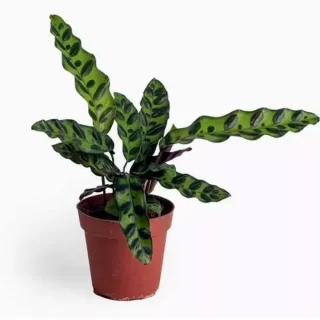
Calathiya Rattlesnake Plant
Price range: ₹125.00 through ₹549.00Select options This product has multiple variants. The options may be chosen on the product pageSelling size: Please Choose | Secure Packing | 2.5″-4″ Pot Included Calathiya rattlesnake is a plant easy to care for. However, there are a few measures and precautions you need to take to grow and maintain yours. Here’s a comprehensive guide for rattlesnake plant : Light Calathea Lancifolia prefers bright, indirect light. Like most variegated …
-
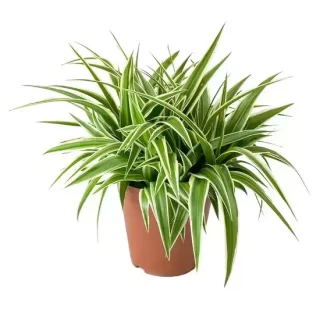
Chlorophytum Spider Live Plant
Original price was: ₹249.00.₹99.00Current price is: ₹99.00.Add to cartSelling size: Well rooted Single plant | 2.5″ Pot included Chlorophytum Spider, also the Spider Plant is an impressive houseplant which is the perfect plant for any beginner. A NASA certified air purifier, its long, green foliage with white variegations look good in both hanging planters and as desktop setups. In favourable conditions, it blooms …
-
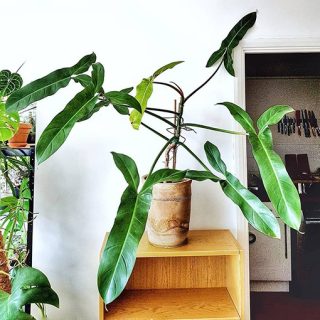
Philodendron Mexicanum
Original price was: ₹1,090.00.₹749.00Current price is: ₹749.00.Add to cartSelling size: Single Plant | Pot included The Philodendron mexicanum is a beautiful vining plant known for its long, arrow-shaped leaves with a striking deep maroon or reddish underside. As its name suggests, it is native to the tropical forests of Mexico. It’s a relatively easy-to-care-for plant, especially for those familiar with other vining philodendrons. …
-
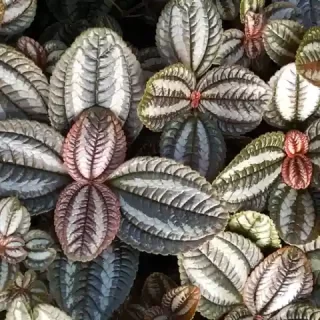
Pilea involucrata ‘Norfolk’ – Friendship Plant
Original price was: ₹450.00.₹199.00Current price is: ₹199.00.Add to cartSize: Single Plant | 2.5″ Pot Included | Free Shipping The Pilea involucrata ‘Norfolk’, commonly known as the Friendship Plant, is a delightful houseplant celebrated for its unique, velvety, quilted foliage. The leaves have a rich texture and a beautiful color palette, with deep green and bronze tones on the upper surface and a reddish-purple …
-
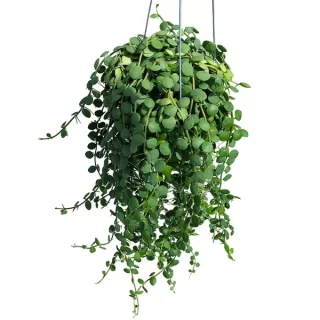
Dischidia nummularia (Pebble Beach/ Button Orchid)
Price range: ₹99.00 through ₹599.00Select options This product has multiple variants. The options may be chosen on the product pagePlant Size: Single plant | 2.5″ Pot Included he Dischidia nummularia, commonly known as the String of Nickels, Pebble Beach plant, or Button Orchid, is a charming epiphyte with trailing stems covered in small, round, succulent-like leaves. It’s a great choice for hanging baskets and is known for being relatively easy to care for, especially …
-
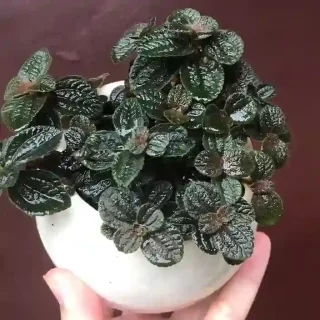
Pilea Repens, Black Panamiga
Original price was: ₹280.00.₹149.00Current price is: ₹149.00.Add to cartSize: Single Plant | Jiffy Bag Caring for a Pilea Ripens (also known as Black Panamiga) involves understanding its specific needs to ensure it thrives. Here’s a breakdown of Pilea Repens, Black Panamiga key care aspects: Key Care Points: Light: Pilea repens prefers bright, indirect sunlight. Direct sunlight can scorch its leaves. Rotating the plant …
-
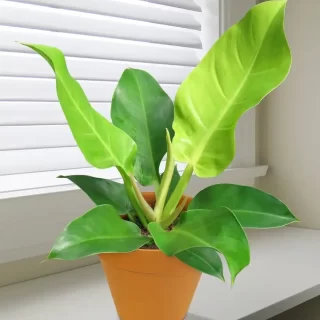
Philodendron Moonshine
Original price was: ₹1,250.00.₹249.00Current price is: ₹249.00.Add to cartSelling size: Single plant | Pot included | Secure Packing The Philodendron Moonshine (often also called ‘Moonlight’) is a popular hybrid known for its vibrant, almost glowing, chartreuse-colored leaves. It has an upright, self-heading growth habit, so unlike many vining philodendrons, it doesn’t need a trellis or pole. Here is a comprehensive guide to caring …
 If you need any assistance, I'm always here. Have you found what you were looking for?
Reviews
There are no reviews yet.