

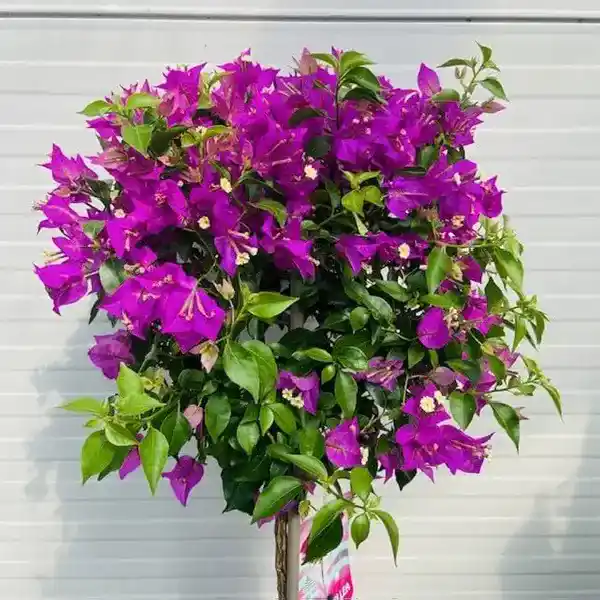
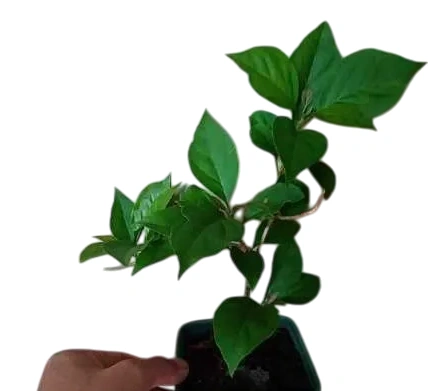
Bougainvillea Violet September
Original price was: ₹925.00.₹425.00Current price is: ₹425.00.
Out of stock
Email when stock available
Selling Size : Single Plant | Pot / Growbag Included | Secure Packing
The Bougainvillea Violet September is a stunning variety, known for its deep violet-purple bracts that create a magnificent display. Like other bougainvilleas, it’s a vigorous and relatively low-maintenance plant, provided you give it the right conditions.
Here’s a comprehensive guide to caring for your Bougainvillea ‘Violet September’:
1. Sunlight:
- Absolute full sun is essential. Bougainvilleas are sun-loving plants. For the most abundant blooms, your ‘Violet September’ needs at least 6 hours of direct, intense sunlight daily.
- If it’s not getting enough sun, the plant will prioritize growing leaves over flowers, resulting in a thin, leggy appearance with few blooms.
2. Watering:
- Water deeply, but infrequently. Bougainvillea thrives on a bit of “drought stress” once it’s established. This stress encourages blooming.
- Allow the top few inches of soil to dry out completely before you water again. Overwatering is the most common cause of root rot and poor flowering.
- During the establishment phase (the first 1-2 years), water more regularly to help the plant develop a strong root system.
- In India’s hot summer months, you may need to water daily if the plant is in a pot. In winter, watering can be reduced to every 10-14 days, or when the soil is completely dry.
3. Soil and Potting:
- Excellent drainage is non-negotiable. Bougainvillea does not tolerate soggy soil.
- Use a well-draining, sandy-loam soil mix. Adding sand or crushed bricks to the potting mix can improve drainage.
- If growing in a container, choose a pot with multiple drainage holes. Bougainvilleas actually bloom better when they are slightly root-bound, so a pot that is a bit snug for the plant is often a good thing.
4. Fertilization:
- Fertilize sparingly, and with the right formula. Too much nitrogen will result in lush green leaves but very few flowers.
- Use a low-nitrogen, high-phosphorus fertilizer to encourage blooming. Organic options like bone meal or banana peel compost work well.
- A single application of a slow-release fertilizer at the start of the growing season (spring) is usually sufficient. You can also feed with a liquid fertilizer every few weeks during the blooming season.
5. Pruning:
- Prune after a major bloom cycle. This is a crucial step to encourage new growth, which is where the next set of blooms will appear.
- You can also perform a heavy “structural” prune in late winter or early spring before the plant begins its new growth spurt.
- Pinching back the tips of new growth can lead to a denser, more abundant display of bracts.
- Caution: Bougainvilleas have sharp thorns. Always wear thick gloves and long sleeves when pruning.
6. Climate and Hardiness:
- ‘Violet September’ is a tropical plant, thriving in hot climates (USDA Zones 9-11). It loves heat and can handle temperatures over 100°F (38°C).
- It is sensitive to frost and must be protected or moved indoors during winter in colder regions.
7. Other Tips:
- Training and Support: Bougainvilleas are climbers and need a sturdy structure like a trellis, wall, or pergola to grow on. They don’t have tendrils, so you’ll need to gently tie the stems to the support as they grow.
- Pest Resistance: Bougainvilleas are generally pest and disease-resistant. However, watch out for common pests like aphids and mealybugs on new growth.
You must be logged in to post a review.
Related products
-
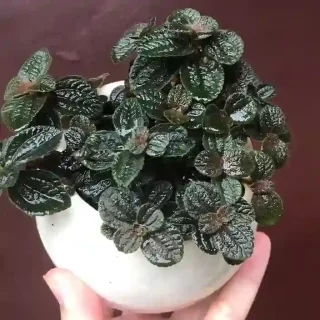
Pilea Repens, Black Panamiga
Original price was: ₹280.00.₹149.00Current price is: ₹149.00.Add to cartSize: Single Plant | Jiffy Bag Caring for a Pilea Ripens (also known as Black Panamiga) involves understanding its specific needs to ensure it thrives. Here’s a breakdown of Pilea Repens, Black Panamiga key care aspects: Key Care Points: Light: Pilea repens prefers bright, indirect sunlight. Direct sunlight can scorch its leaves. Rotating the plant …
-
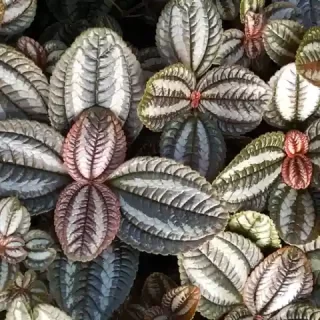
Pilea involucrata ‘Norfolk’ – Friendship Plant
Original price was: ₹450.00.₹199.00Current price is: ₹199.00.Add to cartSize: Single Plant | 2.5″ Pot Included | Free Shipping The Pilea involucrata ‘Norfolk’, commonly known as the Friendship Plant, is a delightful houseplant celebrated for its unique, velvety, quilted foliage. The leaves have a rich texture and a beautiful color palette, with deep green and bronze tones on the upper surface and a reddish-purple …
-
Dischidia nummularia (Pebble Beach/ Button Orchid)
Price range: ₹99.00 through ₹599.00Select options This product has multiple variants. The options may be chosen on the product pagePlant Size: Single plant | 2.5″ Pot Included he Dischidia nummularia, commonly known as the String of Nickels, Pebble Beach plant, or Button Orchid, is a charming epiphyte with trailing stems covered in small, round, succulent-like leaves. It’s a great choice for hanging baskets and is known for being relatively easy to care for, especially …
-
Philodendron Moonshine
Original price was: ₹1,250.00.₹249.00Current price is: ₹249.00.Add to cartSelling size: Single plant | Pot included | Secure Packing The Philodendron Moonshine (often also called ‘Moonlight’) is a popular hybrid known for its vibrant, almost glowing, chartreuse-colored leaves. It has an upright, self-heading growth habit, so unlike many vining philodendrons, it doesn’t need a trellis or pole. Here is a comprehensive guide to caring …
-
Scindapsus Pictus Exotica
Original price was: ₹380.00.₹99.00Current price is: ₹99.00.Add to cartSelling size: Single Plant | 2.5″ Pot Included The Scindapsus Pictus Exotica, also known as the silver pothos, is a houseplant with large, dark green leaves that have silver spots and mottling. Here’s a guide to caring for your Scindapsus pictus Exotica plant: Light: Prefers bright, indirect light. An east or west-facing window that’s about …
-
Dischidia Ruscifolia (Million Hearts)
Price range: ₹199.00 through ₹499.00Select options This product has multiple variants. The options may be chosen on the product pagePlant Size: Single plant | 2.5″-6″ Pot Included The Dischidia Ruscifolia (Million Hearts), commonly known as the Million Hearts plant, is a delightful and easy-to-care-for trailing epiphyte. Its name comes from the abundance of small, heart-shaped leaves that densely cover its slender stems. As a member of the same family as Hoyas, its care …
-
Philodendron Burle Marx Plant
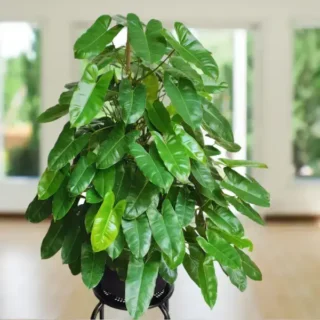
Original price was: ₹485.00.₹149.00Current price is: ₹149.00.Add to cartSelling size: Single plant | Pot Included | Secure Packing The Philodendron Burle Marx is a fantastic and relatively easy-to-care-for plant, known for its glossy, spade-shaped leaves and dense, clumping growth. It’s often recommended as a great choice for beginner houseplant owners. Here is a comprehensive care guide for your Philodendron Burle Marx: Light …
-
String of Bananas
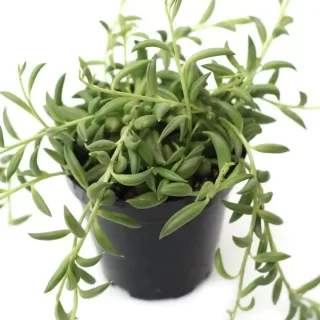
Original price was: ₹450.00.₹249.00Current price is: ₹249.00.Add to cartSelling size: Mentioned in last Picture | Secure Packing The String of Bananas (Curio radicans or Senecio radicans) is a charming trailing succulent known for its long, cascading stems covered in plump, banana-shaped leaves. It’s a popular choice for hanging baskets and is generally easy to care for, especially for those who are new …




 If you need any assistance, I'm always here. Have you found what you were looking for?
Reviews
There are no reviews yet.