

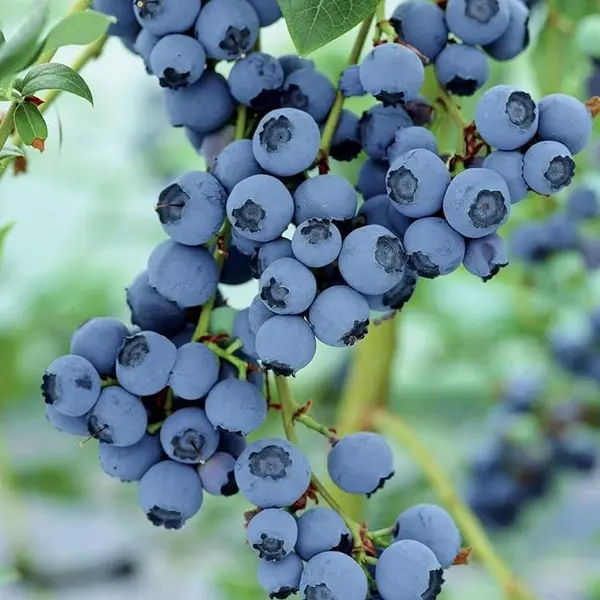
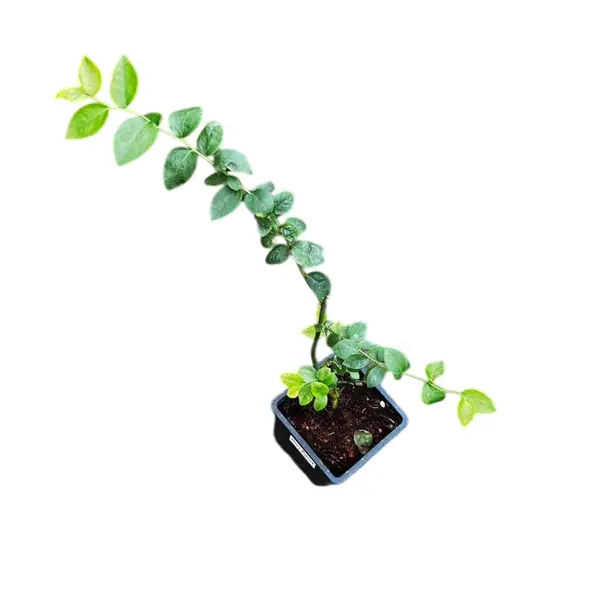
Blueberry Fruit Plant For Tropical Climate
Original price was: ₹2,499.00.₹1,299.00Current price is: ₹1,299.00.
Selling Size : Single Plant | Pot Included | Secure Packing
Caring for Blueberry Fruit Plant centers on two critical factors: highly acidic soil and consistent moisture. They are relatively straightforward to maintain once these needs are met.
Here is a comprehensive guide to Blueberry Fruit Plant care:
1. Soil and pH (The Most Important Factor)
Blueberries are acid-loving plants and will not thrive in neutral or alkaline soil.
- Ideal pH Range: (some sources say up to ). A soil test is highly recommended before planting.
- Soil Type: Requires well-draining, loose soil that is rich in organic matter. Their roots are very shallow and fine, so they need aeration but also consistent moisture.
- Amendments for Acidity: If your native soil pH is too high, you must amend it well in advance (ideally the season before planting).
- Elemental Sulfur: The most effective long-term solution to lower soil pH. Apply and wait several months for soil bacteria to convert it.
- Acidic Organic Matter: Mix in large amounts of peat moss, shredded pine bark, or pine needles when planting to help maintain acidity and improve drainage.
- Raised Beds/Containers: If your native soil is heavy clay or highly alkaline (pH above 6.0), growing in large raised beds or containers filled with an acidic potting mix (like a mix for rhododendrons or azaleas) is the best solution.
2. Light and Location
- Full Sun: Blueberry Fruit Plant require at least 6 to 8 hours of direct sunlight per day for the best fruit production.
- Protection: While they need sun, protect them from harsh, drying winds.
3. Watering
- Consistent Moisture: Due to their shallow root system, blueberries are prone to drying out. The soil must be kept consistently moist but never waterlogged (which causes root rot).
- Watering Technique: Water regularly, especially during dry spells and when the fruits are forming and ripening. Drip irrigation or soaker hoses are ideal.
- Use Rainwater if Possible: Tap water in many areas is alkaline and can slowly raise the soil pH over time, harming the plant.
4. Fertilizing
- Acid-Specific Fertilizer: Use an acid-forming fertilizer like one formulated for rhododendrons, azaleas, or camellias. Fertilizers that use Ammonium Sulfate or Urea as a nitrogen source are preferred, as blueberries are sensitive to nitrate-based nitrogen.
- Application: Fertilize lightly in the spring just as new growth begins (bud break), and potentially once more 4-6 weeks later.
- Avoid Over-Fertilizing: Blueberries are very sensitive to high salt levels. Apply fertilizer in a circle a few inches away from the base of the plant, and always water thoroughly after application.
- New Plants: Do not fertilize newly planted bushes until 4-6 weeks after planting, or until you see new growth.
5. Pruning
Pruning is essential for maintaining plant health, air circulation, and consistent, high-quality fruit production. Prune in late winter or early spring when the plant is dormant.
- First 2 Years (Establishment): Focus on removing weak, spindly, or crossing branches. Remove all flower buds to allow the plant to focus its energy on establishing a strong root system. This sacrifice pays off with bigger harvests later.
- After Year 3 (Maintenance):
- Remove any dead, diseased, or damaged wood.
- Remove branches that are low to the ground.
- Thin out about 1/4 to 1/3 of the oldest, thickest canes (wood that is 4-6 years old and produces less). Cutting these to the ground encourages new, vigorous growth that will produce the best fruit next season.
6. Mulching
- Crucial for Blueberries: Apply a thick layer ( inches) of acidic mulch such as pine needles, pine bark, or aged sawdust around the base of the bush.
- Benefits: Mulch conserves moisture, helps maintain a cool temperature for the shallow roots, suppresses weeds (which compete with the shallow roots), and slowly adds organic matter and acidity to the soil as it breaks down.
7. Pest Control
- Birds are the Biggest Pest: Netting the bushes when the fruit begins to ripen is often the only way to ensure you get a harvest.
- Insects: Other pests like Japanese beetles or fruitworms can be controlled with hand-picking or organic sprays like neem oil or insecticidal soap if an infestation occurs.
You must be logged in to post a review.
You may also like…
-
Blueberry Fruit Plant For Colder Climate
Original price was: ₹2,499.00.₹1,299.00Current price is: ₹1,299.00.Add to cartSelling Size : Single Plant | Pot Included | Secure Packing Growing Blueberry For Colder Climate in colder regions can be highly rewarding. These hardy shrubs not only produce delicious, antioxidant-rich fruits but also bring ornamental beauty with their white spring flowers and vibrant red fall foliage. While blueberries prefer cool winters, extreme cold or …
Related products
-
Philodendron Burle Marx Plant
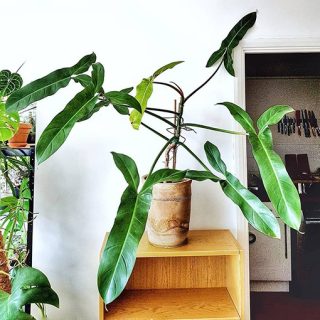
Original price was: ₹485.00.₹149.00Current price is: ₹149.00.Add to cartSelling size: Single plant | Pot Included | Secure Packing The Philodendron Burle Marx is a fantastic and relatively easy-to-care-for plant, known for its glossy, spade-shaped leaves and dense, clumping growth. It’s often recommended as a great choice for beginner houseplant owners. Here is a comprehensive care guide for your Philodendron Burle Marx: Light …
-
Golden Sedum Plant
Original price was: ₹549.00.₹349.00Current price is: ₹349.00.Add to cartSelling size: Well rooted plan | 2.5″ pot included The Golden Sedum (Sedum adolphii) is a popular succulent known for its bright, fleshy, evergreen leaves that can take on a beautiful golden-yellow or even reddish-pink tint in bright sun. It has a trailing or spreading growth habit, making it a great choice for hanging baskets, …
-
Heliconia Variegated – Super Rare
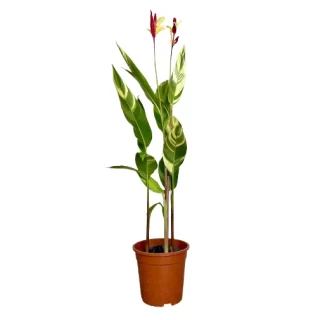
Original price was: ₹2,599.00.₹1,099.00Current price is: ₹1,099.00.Add to cartPlant size: Single plant | Pot Included | Free shipping The Variegated Heliconia (often a cultivar of Heliconia psittacorum, like ‘Lady Di’ or ‘Golden Torch’) is a striking tropical plant known for its banana-like leaves splashed with stripes of cream, yellow, or white. It is a demanding plant, requiring specific tropical conditions to thrive, especially …
-
String Of Nickels (Dischidia nummularia)
Price range: ₹99.00 through ₹599.00Select options This product has multiple variants. The options may be chosen on the product pageSelling size: Well rooted plant in a Jiffy bag The Dischidia nummularia, commonly known as the String of Nickels or Button Orchid, is a delightful and easy-to-care-for trailing epiphyte. Its common name comes from its small, round, coin-shaped leaves that densely cover its long, slender stems. As a relative of the Hoya, it shares a similar …
-
Pilea involucrata ‘Norfolk’ – Friendship Plant
Original price was: ₹450.00.₹199.00Current price is: ₹199.00.Add to cartSize: Single Plant | 2.5″ Pot Included | Free Shipping The Pilea involucrata ‘Norfolk’, commonly known as the Friendship Plant, is a delightful houseplant celebrated for its unique, velvety, quilted foliage. The leaves have a rich texture and a beautiful color palette, with deep green and bronze tones on the upper surface and a reddish-purple …
-
Wandering Jew Plant
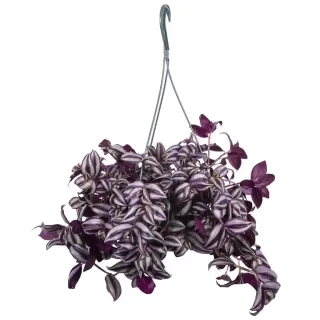
Original price was: ₹305.00.₹149.00Current price is: ₹149.00.Add to cartSelling size: This plant comes in a 2.5″ Square pot The Wandering Jew Plant, also known as the Tradescantia! They’re such vibrant and easy-to-love plants. To keep yours thriving, here’s a rundown of Wandering Jew Plant care needs: Light: They absolutely love bright, indirect sunlight. Think of a spot near an east- or west-facing window …
-
Philodendron Mexicanum
Original price was: ₹1,090.00.₹749.00Current price is: ₹749.00.Add to cartSelling size: Single Plant | Pot included The Philodendron mexicanum is a beautiful vining plant known for its long, arrow-shaped leaves with a striking deep maroon or reddish underside. As its name suggests, it is native to the tropical forests of Mexico. It’s a relatively easy-to-care-for plant, especially for those familiar with other vining philodendrons. …




 If you need any assistance, I'm always here. Have you found what you were looking for?
Reviews
There are no reviews yet.