
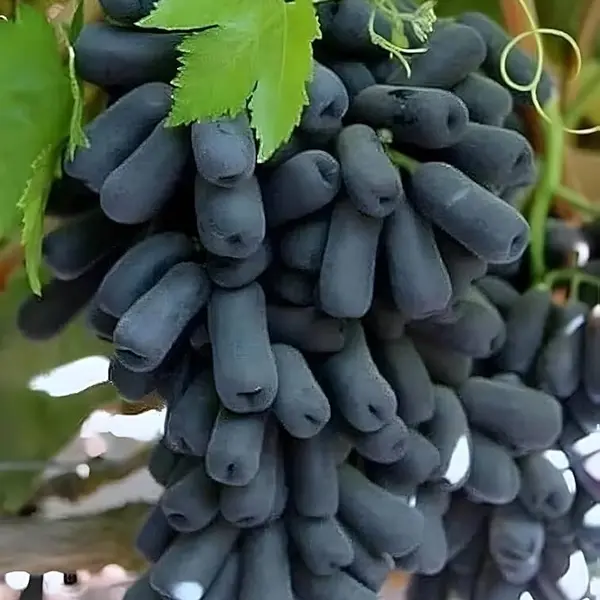
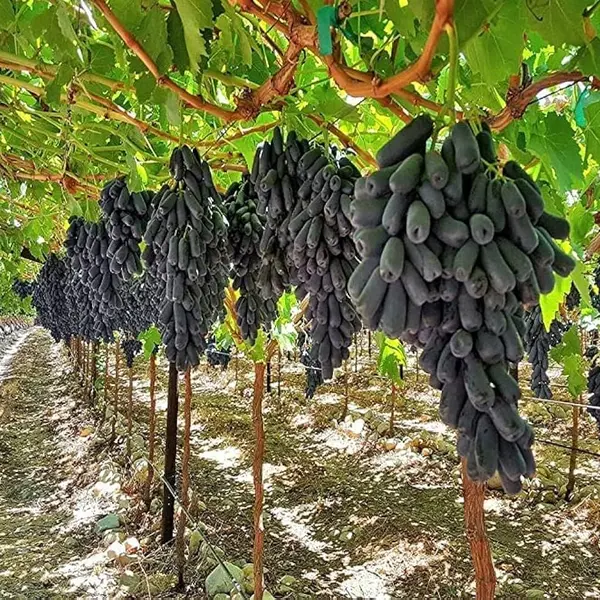
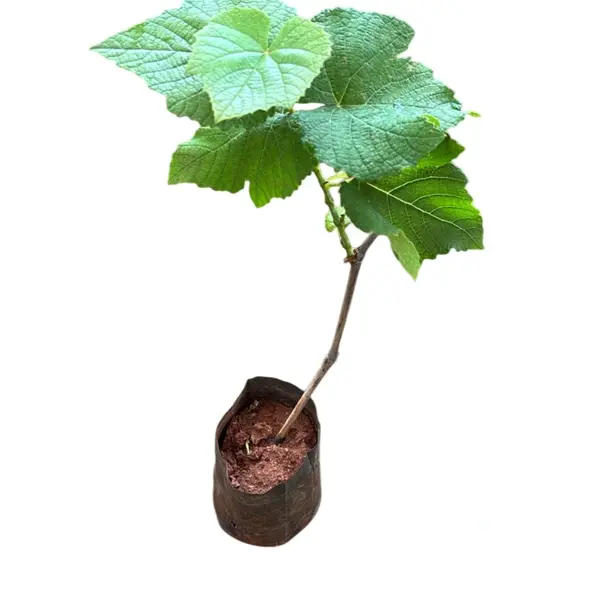
Black Seedless Grape Plant
Original price was: ₹399.00.₹299.00Current price is: ₹299.00.
Selling Size : Single Plant | Pot Included | Secure Packing
Black Seedless Grapes are among the most popular table grape varieties due to their sweet flavour, dark colour, and soft, seedless texture. With proper care, these grapevines grow vigorously and reward you with high-quality, delicious fruit. They thrive in full sun, well-drained soil, and require regular pruning to maintain productivity. Here is a complete 600-word care guide to help you grow healthy black seedless grapes at home.
Black Seedless Grapes – Complete Care Guide :
1. Light Requirements
Black seedless grapevines need full sunlight, which means 6–8 hours of direct sun daily. Sunlight plays a major role in fruit sweetness, colour development, and vine strength. Insufficient light leads to weak shoots, poor fruit set, and pale, underripe grapes.
Choose a sunny garden area, rooftop, or open balcony. If planting near walls or fences, ensure the vines get sunlight from morning to afternoon without obstruction.
2. Temperature & Climate
These grapes grow best in warm, dry climates. Ideal temperatures range from 20°C–32°C. They tolerate mild winters, but frost can severely damage buds and new shoots.
Black seedless varieties perform exceptionally well in regions with long, dry summers and low humidity because these conditions reduce fungal infections and improve fruit quality.
In humid regions, extra attention to pruning and airflow is necessary.
3. Watering
Grapevines prefer deep, infrequent watering, not daily light watering. This encourages deep root growth, which improves drought resistance. Water thoroughly once or twice a week during the growing season.
During fruit ripening, slightly reduce watering to increase sweetness and prevent berry cracking.
Avoid waterlogging at all times—wet soil encourages root rot and fungal diseases. Allow the top 3–4 cm of soil to dry before watering again.
4. Soil Requirements
For best growth and fruiting, plant black seedless grapes in loose, well-draining soil. Sandy loam or loamy soils with pH 6.0–7.0 are ideal.
Recommended mix:
-
40% garden soil
-
30% river sand
-
30% compost or cow manure
Good drainage prevents root rot, a common issue in grape cultivation. If planting in pots, use a large 18–24 inch container with plenty of drainage holes.
5. Fertilising
Black seedless grapes are heavy feeders, especially during active growth. Feed with:
-
Balanced fertilisers such as NPK 10-10-10 or 14-14-14 during the growing season
-
Organic manure or compost once every 2–3 months
-
Extra potassium (K) before flowering for sweeter, firmer fruits
Avoid overusing nitrogen-rich fertilisers, as they cause excessive leaf growth and reduce fruiting. Mature vines only need fertiliser 2–3 times a year.
6. Pruning & Training
Pruning is the backbone of successful grape growing. Grapevines fruit on new shoots, so proper pruning ensures annual productivity.
Prune during the dormant season (late winter):
-
Remove weak, dead, or diseased branches
-
Keep 2–4 strong canes and cut them back to healthy buds
-
Maintain an open structure for sunlight and airflow
Training systems such as a T-bar trellis, overhead bower, or wire trellis help support heavy clusters and improve yield.
7. Flowering & Fruiting
Black seedless grapes bloom in spring and fruit in summer. Adequate sunlight, balanced feeding, and dry conditions help set strong clusters.
If the vine produces too many small clusters, thin some of them to allow the remaining bunches to grow larger and sweeter.
Support heavy branches with wires to avoid bending or breakage.
8. Humidity & Air Circulation
These grapes thrive in moderate humidity. High humidity can lead to fungal diseases like powdery mildew, downy mildew, and anthracnose.
Ensure:
-
Good spacing between plants
-
Proper pruning
-
Sunlight penetration through the canopy
-
Dry leaves during watering
This greatly reduces fungal risks.
9. Pests & Diseases
Common pests:
-
Mealybugs
-
Aphids
-
Thrips
-
Spider mites
Spray neem oil every 15 days during the season as preventive care.
For fungal problems, use organic fungicides and improve airflow.
10. Harvesting
Black seedless grapes are ready when they develop a deep purple-black colour, become sweet, and soften slightly. Grapes do not ripen further after harvest, so taste a few berries before cutting the whole bunch.
Use clean scissors to harvest and handle bunches carefully to avoid bruising.
Related products
-
Pilea Repens, Black Panamiga
Original price was: ₹280.00.₹149.00Current price is: ₹149.00.Add to cartSize: Single Plant | Jiffy Bag Caring for a Pilea Ripens (also known as Black Panamiga) involves understanding its specific needs to ensure it thrives. Here’s a breakdown of Pilea Repens, Black Panamiga key care aspects: Key Care Points: Light: Pilea repens prefers bright, indirect sunlight. Direct sunlight can scorch its leaves. Rotating the plant …
-
Philodendron Burle Marx Plant
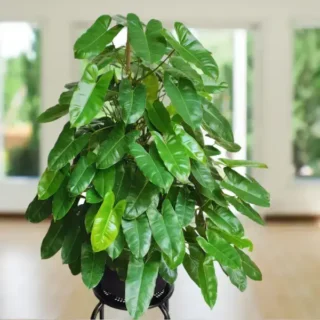
Original price was: ₹485.00.₹149.00Current price is: ₹149.00.Add to cartSelling size: Single plant | Pot Included | Secure Packing The Philodendron Burle Marx is a fantastic and relatively easy-to-care-for plant, known for its glossy, spade-shaped leaves and dense, clumping growth. It’s often recommended as a great choice for beginner houseplant owners. Here is a comprehensive care guide for your Philodendron Burle Marx: Light …
-
String of Bananas
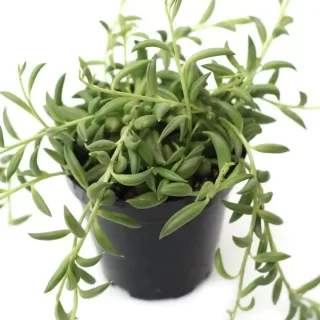
Original price was: ₹450.00.₹249.00Current price is: ₹249.00.Add to cartSelling size: Mentioned in last Picture | Secure Packing The String of Bananas (Curio radicans or Senecio radicans) is a charming trailing succulent known for its long, cascading stems covered in plump, banana-shaped leaves. It’s a popular choice for hanging baskets and is generally easy to care for, especially for those who are new …
-
Scindapsus Pictus Exotica
Original price was: ₹380.00.₹99.00Current price is: ₹99.00.Add to cartSelling size: Single Plant | 2.5″ Pot Included The Scindapsus Pictus Exotica, also known as the silver pothos, is a houseplant with large, dark green leaves that have silver spots and mottling. Here’s a guide to caring for your Scindapsus pictus Exotica plant: Light: Prefers bright, indirect light. An east or west-facing window that’s about …
-
Golden Sedum Plant
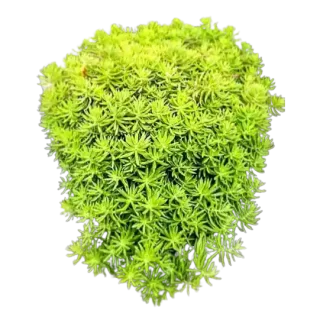
Original price was: ₹549.00.₹349.00Current price is: ₹349.00.Add to cartSelling size: Well rooted plan | 2.5″ pot included The Golden Sedum (Sedum adolphii) is a popular succulent known for its bright, fleshy, evergreen leaves that can take on a beautiful golden-yellow or even reddish-pink tint in bright sun. It has a trailing or spreading growth habit, making it a great choice for hanging baskets, …
-
String Of Nickels (Dischidia nummularia)
Price range: ₹99.00 through ₹599.00Select options This product has multiple variants. The options may be chosen on the product pageSelling size: Well rooted plant in a Jiffy bag The Dischidia nummularia, commonly known as the String of Nickels or Button Orchid, is a delightful and easy-to-care-for trailing epiphyte. Its common name comes from its small, round, coin-shaped leaves that densely cover its long, slender stems. As a relative of the Hoya, it shares a similar …
-
Calathiya Rattlesnake Plant
Price range: ₹125.00 through ₹549.00Select options This product has multiple variants. The options may be chosen on the product pageSelling size: Please Choose | Secure Packing | 2.5″-4″ Pot Included Calathiya rattlesnake is a plant easy to care for. However, there are a few measures and precautions you need to take to grow and maintain yours. Here’s a comprehensive guide for rattlesnake plant : Light Calathea Lancifolia prefers bright, indirect light. Like most variegated …
-
Chlorophytum Spider Live Plant
Original price was: ₹249.00.₹99.00Current price is: ₹99.00.Add to cartSelling size: Well rooted Single plant | 2.5″ Pot included Chlorophytum Spider, also the Spider Plant is an impressive houseplant which is the perfect plant for any beginner. A NASA certified air purifier, its long, green foliage with white variegations look good in both hanging planters and as desktop setups. In favourable conditions, it blooms …




 If you need any assistance, I'm always here. Have you found what you were looking for?