
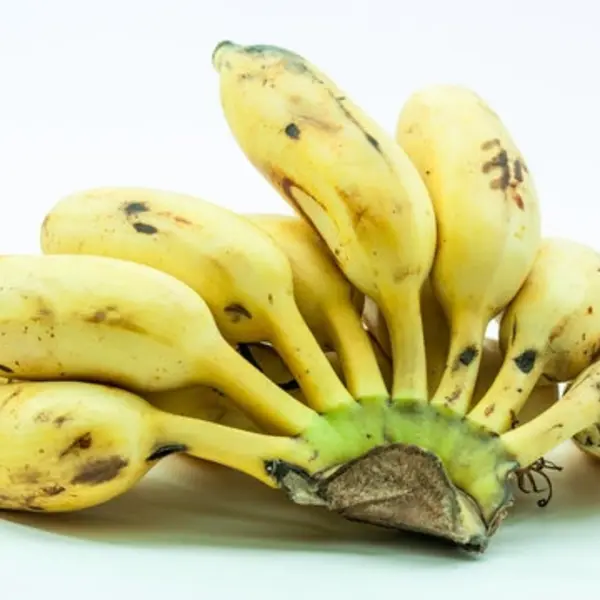
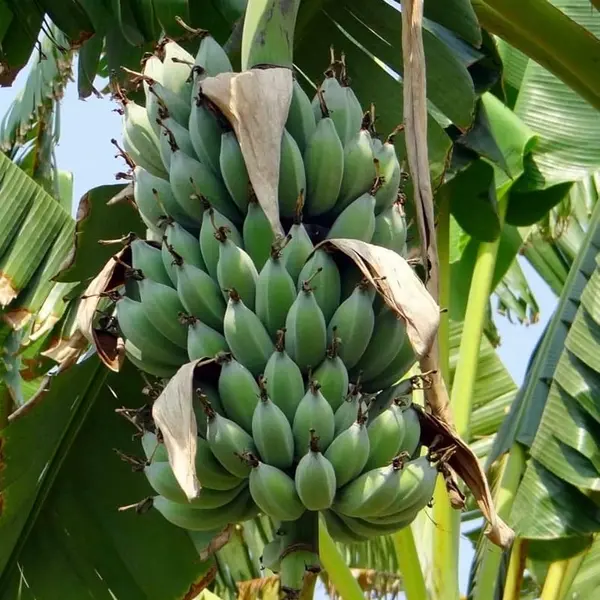
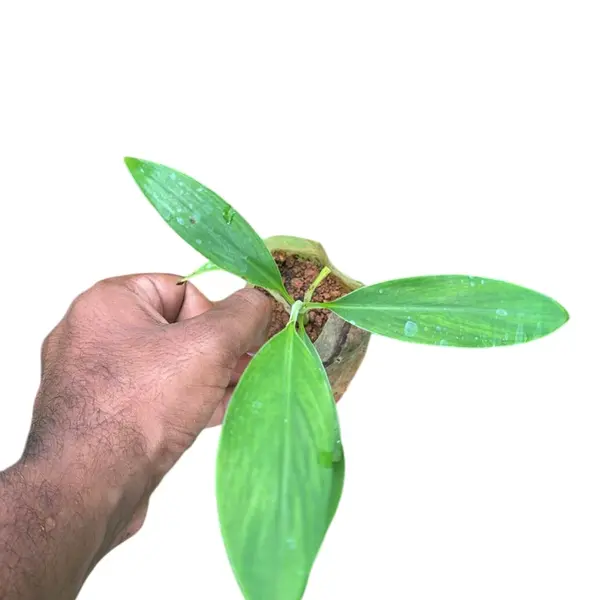
Banana Njalipoovan
Original price was: ₹550.00.₹199.00Current price is: ₹199.00.
Selling Size : Single Plant | Pot Included | Secure Packing
Banana Njalipoovan, also known as Mysore Poovan or Rasakadali in some regions, is a highly valued banana variety grown widely across South India. Loved for its sweet, aromatic fruits and excellent shelf life, Njalipoovan is a hardy performer in both homestead gardens and farms. Proper care ensures vigorous growth, improved fruit size, and consistent yields. Below is a complete care guide covering soil, climate, watering, nutrition, pest control, and harvesting.
Banana Njalipoovan Care Guide :
1. Ideal Climate and Sunlight
Njalipoovan bananas thrive in warm, humid tropical climates. They require at least 6–8 hours of direct sunlight daily to produce healthy leaves and well-developed bunches. The ideal temperature range is 20–35°C, though mature plants can tolerate slightly higher heat. Protection from strong winds is necessary because Njalipoovan has long, flexible leaves that tear easily. Plant them near a wall or use windbreak plants for safety.
2. Suitable Soil Conditions
This banana variety grows best in rich, well-draining loamy soil. Avoid waterlogging at all costs because the plant’s shallow root system is prone to rot. Ideal soil pH is 5.5–7.0. Before planting, mix the soil with well-decomposed cow dung, compost, and neem cake to improve fertility and reduce fungal infections. In clay soil, enhance aeration with sand and cocopeat.
3. Planting and Spacing
Use healthy suckers or tissue-culture plants for best results. Each plant needs ample space to grow, so maintain a spacing of 6–8 feet between plants. Dig pits of 2 x 2 feet, fill them with organic manure, and allow them to settle for a week before planting. Place the plant upright and cover with loose soil, ensuring the corm is not buried too deep.
4. Watering Requirements
Bananas require consistent moisture. Water the plant 3–4 times a week during hot seasons and reduce frequency to 1–2 times a week during cooler months. The soil should always remain slightly moist but never soggy. Mulching with dried leaves, straw, or coir helps retain moisture, prevents weeds, and keeps the root zone cool. Drip irrigation is highly beneficial for maintaining uniform soil moisture.
5. Fertilizers and Nutrition
Njalipoovan is a heavy feeder. To achieve robust plant growth and good fruiting, follow this nutrition plan:
-
At planting: 10–15 kg compost + 250 g neem cake
-
2nd month: NPK 60:30:30 split dose
-
4th month: Additional NPK 40:20:20 + micronutrients
-
Before flowering: Organic liquid fertilizers like panchagavya, fish amino acid, or banana tonic
Regularly add vermicompost, cow dung, and wood ash around the base. Potassium is essential for fruit size and taste, so include potash-rich fertilizers during the fruiting months.
6. Support and Maintenance
As the bunch develops, the plant becomes top-heavy. Support it with a bamboo pole or T-shaped stick to prevent bending or wind damage. Remove unwanted suckers, keeping only one strong follower sucker to replace the mother plant after harvest. Remove dried leaves to improve airflow and reduce disease risk.
7. Pest and Disease Control
Common issues include:
-
Banana stem borer
-
Aphids
-
Thrips
-
Leaf spot diseases (Sigatoka)
Spray neem oil (5 ml per litre) once every 15 days for prevention. If fungal spots appear, remove affected leaves and apply an organic fungicide. Avoid overhead watering to minimise leaf wetness.
8. Flowering and Fruiting
Njalipoovan typically begins flowering 8–10 months after planting depending on care and climate. After the flower appears, cut off the male bud (banana heart) a week later for better fruit development. Maintain consistent watering and nutrition during fruit formation.
9. Harvesting
Fruits mature in 90–120 days after flowering. Njalipoovan bananas are ready to harvest when the fruits turn plump, the angles become round, and the skin turns slightly pale green. Cut the bunch with a sharp knife and store it in a cool area for natural ripening.
Related products
-
Philodendron ‘Prince of Orange’
Price range: ₹199.00 through ₹620.00Select options This product has multiple variants. The options may be chosen on the product pageSelling Size : Single Plant | Pot Included | Secure Packing The Philodendron ‘Prince of Orange’ is a stunning and popular hybrid known for its vibrant, ever-changing leaf colors. New leaves emerge as a brilliant orange or coppery color, and as they mature, they transition to a lime green, then a deep, glossy green. It …
-
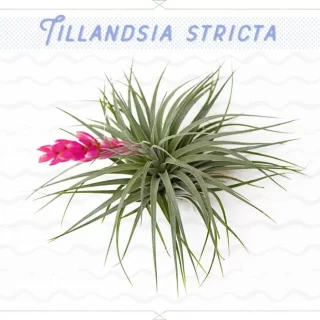
Tillandsia Stricta (Air plant)
Original price was: ₹400.00.₹199.00Current price is: ₹199.00.Add to cartSelling size: Single plant | Secure Packing The Tillandsia Stricta (Air plant) is one of the most popular and adaptable species of air plants, known for its soft, green-silver foliage and beautiful blooms. Like all air plants, it is epiphytic, meaning it absorbs all its water and nutrients through its leaves from the air, not …
-
Philodendron Moonshine
Original price was: ₹1,250.00.₹249.00Current price is: ₹249.00.Add to cartSelling size: Single plant | Pot included | Secure Packing The Philodendron Moonshine (often also called ‘Moonlight’) is a popular hybrid known for its vibrant, almost glowing, chartreuse-colored leaves. It has an upright, self-heading growth habit, so unlike many vining philodendrons, it doesn’t need a trellis or pole. Here is a comprehensive guide to caring …
-
Pilea Repens, Black Panamiga
Original price was: ₹280.00.₹149.00Current price is: ₹149.00.Add to cartSize: Single Plant | Jiffy Bag Caring for a Pilea Ripens (also known as Black Panamiga) involves understanding its specific needs to ensure it thrives. Here’s a breakdown of Pilea Repens, Black Panamiga key care aspects: Key Care Points: Light: Pilea repens prefers bright, indirect sunlight. Direct sunlight can scorch its leaves. Rotating the plant …
-
Golden Sedum Plant
Original price was: ₹549.00.₹349.00Current price is: ₹349.00.Add to cartSelling size: Well rooted plan | 2.5″ pot included The Golden Sedum (Sedum adolphii) is a popular succulent known for its bright, fleshy, evergreen leaves that can take on a beautiful golden-yellow or even reddish-pink tint in bright sun. It has a trailing or spreading growth habit, making it a great choice for hanging baskets, …
-
Golden Pothos
Original price was: ₹355.00.₹99.00Current price is: ₹99.00.Add to cartSelling size : Well rooted plant | 2.5″ pot included The Golden Pothos (Epipremnum aureum), also known as Devil’s Ivy, is one of the most popular and easiest houseplants to care for, making it an excellent choice for beginners. It’s a vining plant with heart-shaped leaves that are a vibrant green, often with splashes or …






 If you need any assistance, I'm always here. Have you found what you were looking for?