
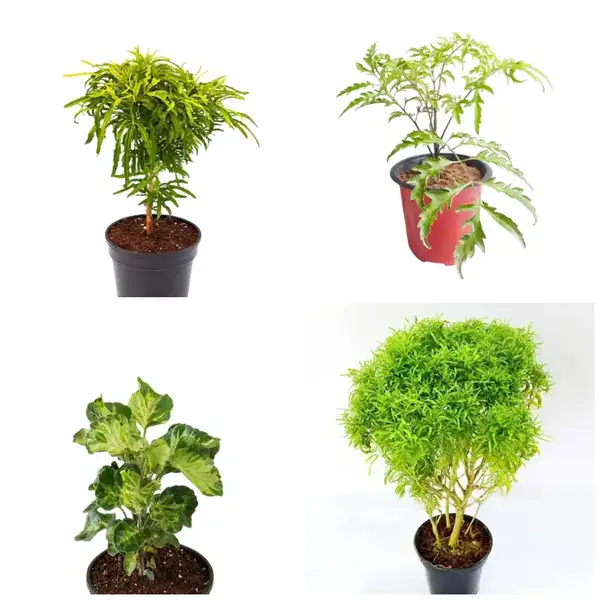
Aralia 4 Plants Combo
Original price was: ₹1,699.00.₹922.00Current price is: ₹922.00.
Selling Size : Single Plant | Pot Included | Secure Packing
Aralia plants, often belonging to the genus Polyscias, are popular houseplants known for their unique and diverse foliage. While they can be a bit sensitive to changes, they are generally low-maintenance once you understand their needs.
Aralia combo includes
-
Golden Aralia
-
Aralia Ball Golden
-
Aralia Polyscias Balfouriana Ornamental Plant
-
Parsley Aralia | Polyscias Crispata | Polyscias fruticosa
Here is a comprehensive care guide for Aralia plants:
Light
- Bright, indirect light is best. Aralia plants thrive in a location with plenty of filtered sunlight. A spot near an east- or north-facing window is often ideal.
- Avoid direct sun. Direct, harsh sunlight can scorch their delicate leaves, causing them to turn brown or black.
- Be mindful of low light. While they can tolerate some lower light conditions, they may become “leggy” (stems growing long and bare) and their growth will slow down. If you notice this, move the plant to a brighter location.
Water
- Water when the top inch of soil is dry. Aralias prefer consistently moist soil but are very susceptible to root rot from overwatering. Before watering, stick your finger an inch into the soil. If it feels dry, it’s time to water.
- Allow for good drainage. Make sure your pot has drainage holes and that you empty the saucer after watering. The plant should never sit in standing water.
- Reduce watering in winter. During the cooler months when the plant’s growth slows, it will need less water. Water less frequently than you do during the spring and summer growing season.
Humidity and Temperature
- Humidity is key. Aralia plants are native to tropical regions and love high humidity. Low humidity can cause their leaves to drop. To increase humidity, you can:
- Use a room humidifier.
- Place the pot on a pebble tray filled with water (making sure the bottom of the pot is not in the water).
- Mist the leaves occasionally, although this is a temporary fix.
- Keep them warm. They prefer temperatures between 65-80°F (18-27°C) and are very sensitive to cold drafts. Keep them away from cold windows, air conditioning vents, and doors. A sudden drop in temperature can cause them to drop their leaves.
Soil and Fertilizer
- Use a well-draining soil mix. A good potting mix for Aralias should be well-aerated and fast-draining. A mix with peat moss, perlite, and a general potting soil works well.
- Fertilize during the growing season. Feed your plant with a balanced, liquid houseplant fertilizer once a month during the spring and summer.
- Avoid over-fertilizing. Too much fertilizer can cause salt buildup in the soil, which can harm the plant. You do not need to fertilize at all during the fall and winter months.
Pruning and Repotting
- Prune to maintain shape. Regular pruning is a great way to keep your Aralia looking full and bushy. Trim off any dead, yellowed, or damaged leaves and pinch back the growing tips to encourage new branching. Pruning is best done in the spring.
- Repot infrequently. Aralia plants don’t mind being slightly root-bound. You typically only need to repot them every two years or when you see roots growing out of the drainage holes. When you do repot, choose a pot that is only slightly larger than the previous one.
Common Problems
- Leaf drop: This is the most common issue with Aralia plants and is usually a sign of stress. The culprit is often a sudden change in environment, such as a draft, a change in light, or incorrect watering (either too much or too little).
- Pests: Aralias can be susceptible to common houseplant pests like spider mites, mealybugs, aphids, and scale. Regularly inspect the leaves and stems for any signs of pests. If you find them, treat the plant with insecticidal soap or neem oil.
Note: Aralia plants are considered toxic to cats and dogs if ingested, so it’s best to keep them out of reach of pets.
You must be logged in to post a review.
Related products
-
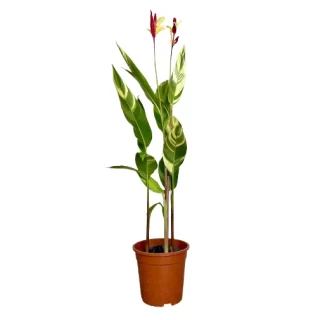
Heliconia Variegated – Super Rare
Original price was: ₹2,599.00.₹1,099.00Current price is: ₹1,099.00.Add to cartPlant size: Single plant | Pot Included | Free shipping The Variegated Heliconia (often a cultivar of Heliconia psittacorum, like ‘Lady Di’ or ‘Golden Torch’) is a striking tropical plant known for its banana-like leaves splashed with stripes of cream, yellow, or white. It is a demanding plant, requiring specific tropical conditions to thrive, especially …
-
Dischidia nummularia (Pebble Beach/ Button Orchid)
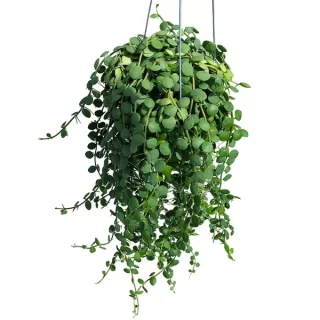
Price range: ₹99.00 through ₹599.00Select options This product has multiple variants. The options may be chosen on the product pagePlant Size: Single plant | 2.5″ Pot Included he Dischidia nummularia, commonly known as the String of Nickels, Pebble Beach plant, or Button Orchid, is a charming epiphyte with trailing stems covered in small, round, succulent-like leaves. It’s a great choice for hanging baskets and is known for being relatively easy to care for, especially …
-
Black zz plant, Raven ZZ Plant
Price range: ₹99.00 through ₹499.00Select options This product has multiple variants. The options may be chosen on the product pageSelling size: Please Choose (Single – Bushy) | 2.5″-5” Pot Included | Secure Packing The Black ZZ Plant, or Raven ZZ Plant (Zamioculcas zamiifolia ‘Raven’), is a popular, exceptionally resilient houseplant known for its striking, nearly black foliage. It shares the easy-care nature of the standard green ZZ plant, making it perfect for beginners or …
-
Wandering Jew Plant
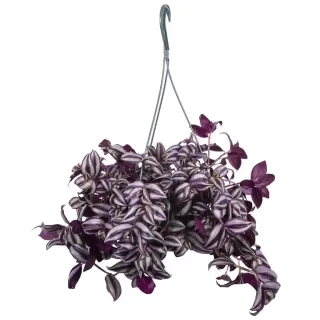
Original price was: ₹305.00.₹149.00Current price is: ₹149.00.Add to cartSelling size: This plant comes in a 2.5″ Square pot The Wandering Jew Plant, also known as the Tradescantia! They’re such vibrant and easy-to-love plants. To keep yours thriving, here’s a rundown of Wandering Jew Plant care needs: Light: They absolutely love bright, indirect sunlight. Think of a spot near an east- or west-facing window …
-
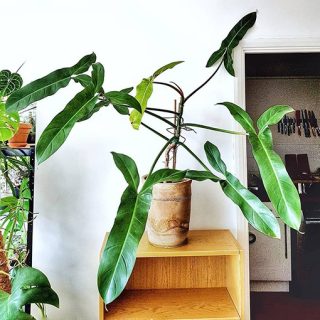
Philodendron Mexicanum
Original price was: ₹1,090.00.₹749.00Current price is: ₹749.00.Add to cartSelling size: Single Plant | Pot included The Philodendron mexicanum is a beautiful vining plant known for its long, arrow-shaped leaves with a striking deep maroon or reddish underside. As its name suggests, it is native to the tropical forests of Mexico. It’s a relatively easy-to-care-for plant, especially for those familiar with other vining philodendrons. …
-
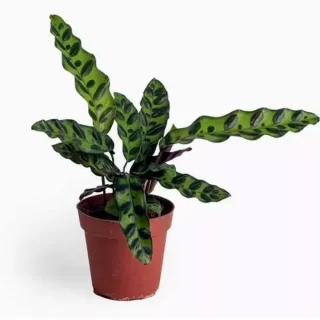
Calathiya Rattlesnake Plant
Price range: ₹125.00 through ₹549.00Select options This product has multiple variants. The options may be chosen on the product pageSelling size: Please Choose | Secure Packing | 2.5″-4″ Pot Included Calathiya rattlesnake is a plant easy to care for. However, there are a few measures and precautions you need to take to grow and maintain yours. Here’s a comprehensive guide for rattlesnake plant : Light Calathea Lancifolia prefers bright, indirect light. Like most variegated …
-
Philodendron Xanadu
Original price was: ₹450.00.₹199.00Current price is: ₹199.00.Add to cartSelling size:Well rooted plant | 2.5″ Pot Included | Secure Packing The Philodendron Xanadu, now officially classified as Thaumatophyllum xanadu, is a fantastic and relatively easy-to-care-for houseplant. It’s known for its compact, bushy growth habit and deeply lobed, glossy green leaves that give it a sophisticated, tropical look. Here is a complete guide to caring …
-
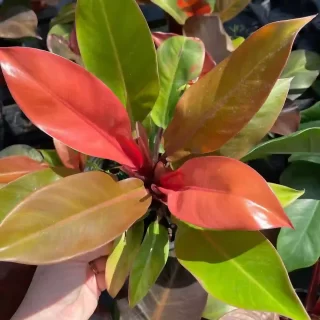
Philodendron ‘Prince of Orange’
Price range: ₹199.00 through ₹620.00Select options This product has multiple variants. The options may be chosen on the product pageSelling Size : Single Plant | Pot Included | Secure Packing The Philodendron ‘Prince of Orange’ is a stunning and popular hybrid known for its vibrant, ever-changing leaf colors. New leaves emerge as a brilliant orange or coppery color, and as they mature, they transition to a lime green, then a deep, glossy green. It …


 If you need any assistance, I'm always here. Have you found what you were looking for?
Reviews
There are no reviews yet.