
Abiu Fruit Plant
Price range: ₹499.00 through ₹1,299.00
Selling Size : Single Plant | Pot Included | Secure Packing | Free Delivery
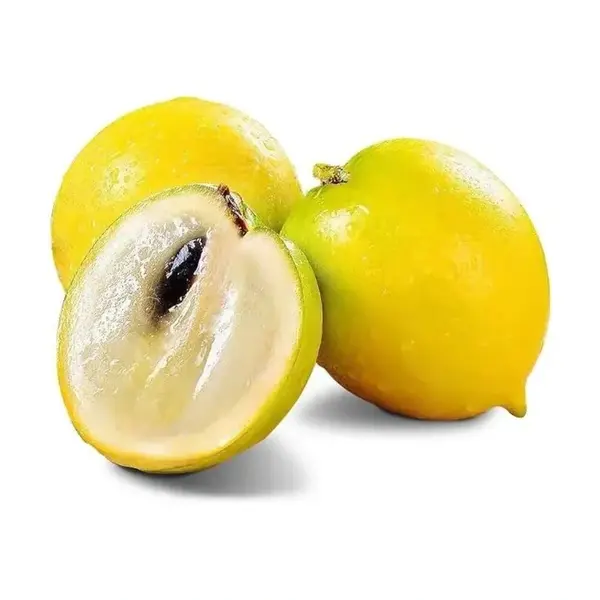
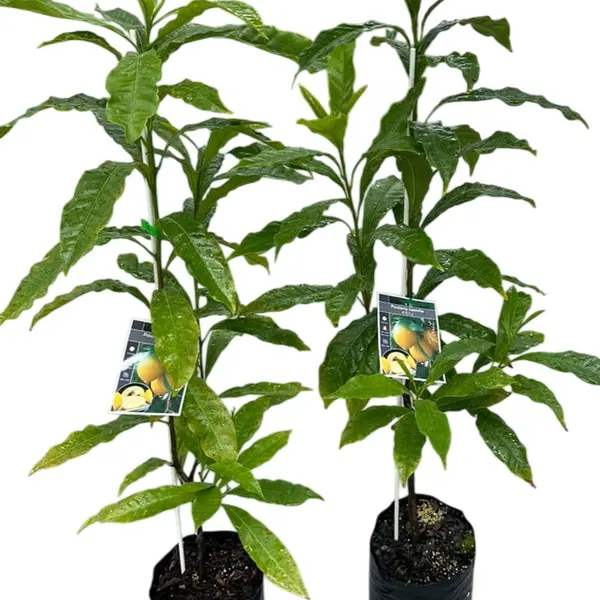
The Abiu fruit (Pouteria caimito) is a tropical, evergreen tree cherished for its sweet, custard-like fruit with a jelly-smooth texture. Native to the Amazon region, Abiu thrives in warm, humid climates and adapts beautifully to home gardens across South India, Kerala, Tamil Nadu, and coastal belts. With the right care, this plant grows vigorously and starts fruiting in just a few years. Here is a complete care guide to help you grow a healthy and highly productive Abiu plant.
Abiu Fruit Care Guide :
1. Ideal Climate & Sunlight
Abiu is a tropical species that loves warmth and sunlight. It grows best in areas where the temperature stays between 22–32°C throughout the year. Provide the plant with full sun for at least 6–7 hours daily. Although it tolerates partial shade when young, mature plants require strong sunlight to produce high-quality fruits. Avoid planting Abiu in regions with extreme cold or frost. If the temperature drops below 10°C, the plant may show slow growth or leaf damage. In colder zones, keep it in a warm spot or protect the roots with mulch.
2. Soil Requirements
Abiu grows well in rich, well-draining soil with good organic matter. The ideal soil type is loamy with a pH between 6.0 and 7.0. Heavy clay soil must be avoided because waterlogging can damage the delicate roots. To prepare the soil, mix:
-
Garden soil – 40%
-
Well-decomposed compost or cow dung – 30%
-
Cocopeat – 20%
-
Sand or perlite – 10%
This ensures aeration, moisture balance, and steady nutrient release. If you are planting directly in the ground, dig a large pit and fill it with organic-rich soil mix.
3. Watering Needs
Young Abiu plants require consistent moisture. Water them 3–4 times per week, ensuring the topsoil stays moist but not soggy. Avoid overwatering because the plant is sensitive to root rot. Once the tree matures, it becomes moderately drought-tolerant and needs deep watering only once or twice a week, depending on your climate. During the fruiting stage, watering regularly improves fruit size, sweetness, and prevents fruit drop. Always let the soil dry slightly between each watering.
4. Fertilization Guide
Feeding Abiu regularly helps it grow fast and produce abundant fruits. Use organic fertilizers to maintain long-term soil health.
Recommended feeding schedule:
-
Every 30–45 days: Apply a handful of cow manure compost or vermicompost.
-
Quarterly: Add neem cake powder to improve root strength and reduce fungal issues.
-
Before flowering season: Apply a balanced NPK like 5:5:5 or 6:6:6 to boost flowering and fruiting.
-
Add bone meal or banana peel fertilizer for extra potassium during fruit formation.
Avoid excessive nitrogen because it promotes leafy growth but delays flowering.
5. Pruning & Training
Prune the plant lightly once a year to maintain shape and encourage air circulation. Remove dead, weak, or crisscrossing stems. Young plants can be trained to form a strong central trunk for better structure. Proper pruning helps the tree focus energy on fruit production and prevents pest attacks.
6. Pests & Diseases
Abiu is generally resistant to major pests, but some common issues include:
-
Aphids
-
Fruit flies
-
Mealybugs
-
Scale insects
Spray neem oil once every 15 days as a preventive measure. Maintain good air circulation to avoid fungal problems like leaf spot or mildew.
7. Flowering & Fruiting
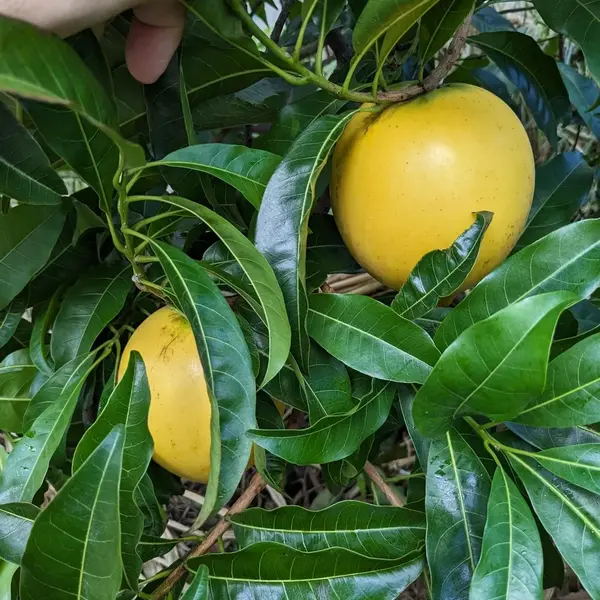
Abiu starts flowering in 3–4 years under good care. The yellow, round fruits ripen during warm months. Flowers are self-pollinating, but cross-pollination enhances fruit yield. Mulching the soil with dry leaves or coco husk helps retain moisture and boosts fruiting performance.
8. Harvesting
Abiu fruits turn bright yellow when ripe. Harvest carefully because they bruise easily. Always pick with a small stem attached to improve shelf life. The fruits are highly nutritious, rich in vitamins A and C, and taste like a delicious blend of caramel and vanilla custard.
Related products
-
Scindapsus Pictus Exotica
Original price was: ₹380.00.₹99.00Current price is: ₹99.00.Add to cartSelling size: Single Plant | 2.5″ Pot Included The Scindapsus Pictus Exotica, also known as the silver pothos, is a houseplant with large, dark green leaves that have silver spots and mottling. Here’s a guide to caring for your Scindapsus pictus Exotica plant: Light: Prefers bright, indirect light. An east or west-facing window that’s about …
-
Tillandsia Stricta (Air plant)
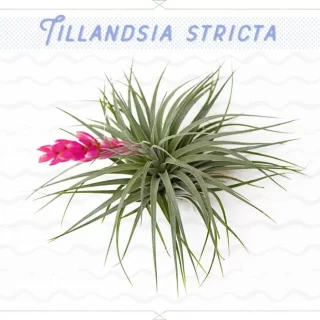
Original price was: ₹400.00.₹199.00Current price is: ₹199.00.Add to cartSelling size: Single plant | Secure Packing The Tillandsia Stricta (Air plant) is one of the most popular and adaptable species of air plants, known for its soft, green-silver foliage and beautiful blooms. Like all air plants, it is epiphytic, meaning it absorbs all its water and nutrients through its leaves from the air, not …
-
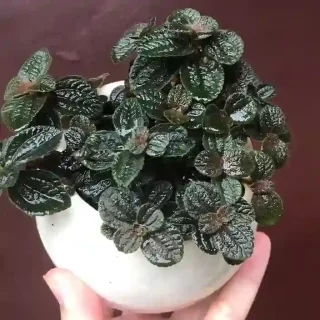
Pilea Repens, Black Panamiga
Original price was: ₹280.00.₹149.00Current price is: ₹149.00.Add to cartSize: Single Plant | Jiffy Bag Caring for a Pilea Ripens (also known as Black Panamiga) involves understanding its specific needs to ensure it thrives. Here’s a breakdown of Pilea Repens, Black Panamiga key care aspects: Key Care Points: Light: Pilea repens prefers bright, indirect sunlight. Direct sunlight can scorch its leaves. Rotating the plant …
-
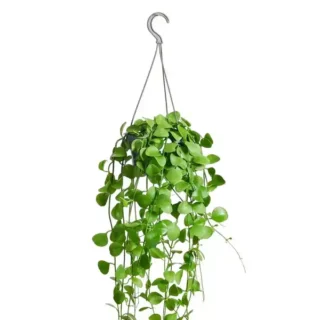
Dischidia Oiantha plant
Price range: ₹99.00 through ₹599.00Select options This product has multiple variants. The options may be chosen on the product pagePlant Size: Single plant | Secure Packing The Dischidia oiantha, often referred to as a “Hoya cousin,” is a charming, easy-to-care-for epiphyte with trailing vines and small, oval, succulent-like leaves. It’s a great choice for hanging baskets or for adding a touch of whimsy to a shelf. Here is a comprehensive guide to caring for …
-
Golden Pothos
Original price was: ₹355.00.₹99.00Current price is: ₹99.00.Add to cartSelling size : Well rooted plant | 2.5″ pot included The Golden Pothos (Epipremnum aureum), also known as Devil’s Ivy, is one of the most popular and easiest houseplants to care for, making it an excellent choice for beginners. It’s a vining plant with heart-shaped leaves that are a vibrant green, often with splashes or …
-
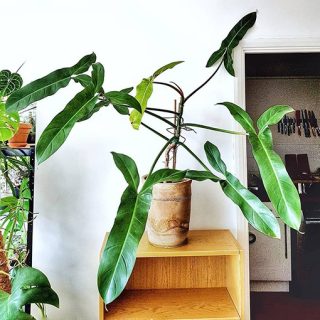
Philodendron Mexicanum
Original price was: ₹1,090.00.₹749.00Current price is: ₹749.00.Add to cartSelling size: Single Plant | Pot included The Philodendron mexicanum is a beautiful vining plant known for its long, arrow-shaped leaves with a striking deep maroon or reddish underside. As its name suggests, it is native to the tropical forests of Mexico. It’s a relatively easy-to-care-for plant, especially for those familiar with other vining philodendrons. …
-
Chlorophytum Spider Live Plant
Original price was: ₹249.00.₹99.00Current price is: ₹99.00.Add to cartSelling size: Well rooted Single plant | 2.5″ Pot included Chlorophytum Spider, also the Spider Plant is an impressive houseplant which is the perfect plant for any beginner. A NASA certified air purifier, its long, green foliage with white variegations look good in both hanging planters and as desktop setups. In favourable conditions, it blooms …




 If you need any assistance, I'm always here. Have you found what you were looking for?