
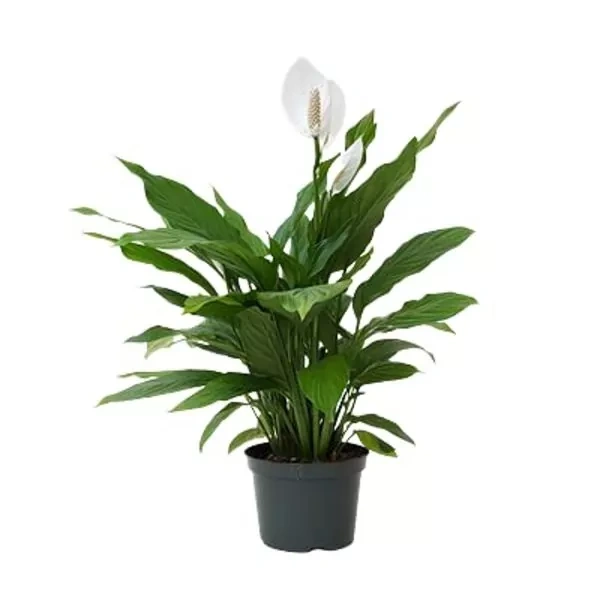
Peace Lily Sensation
Original price was: ₹890.00.₹399.00Current price is: ₹399.00.
Selling Size : Single Plant | Pot Included | Secure Packing
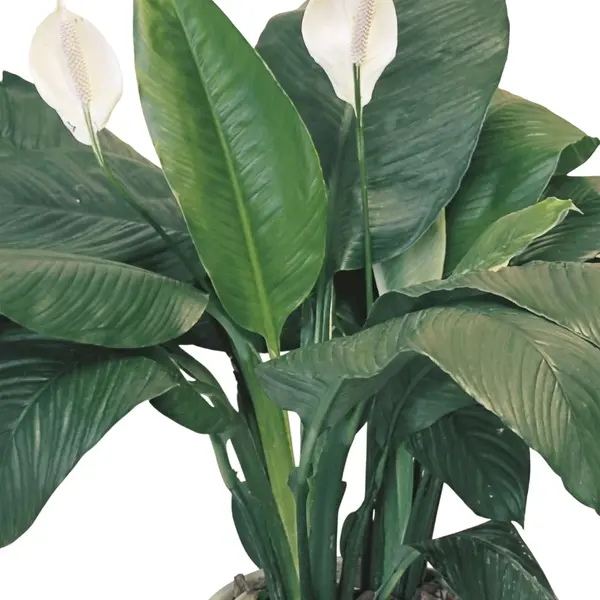
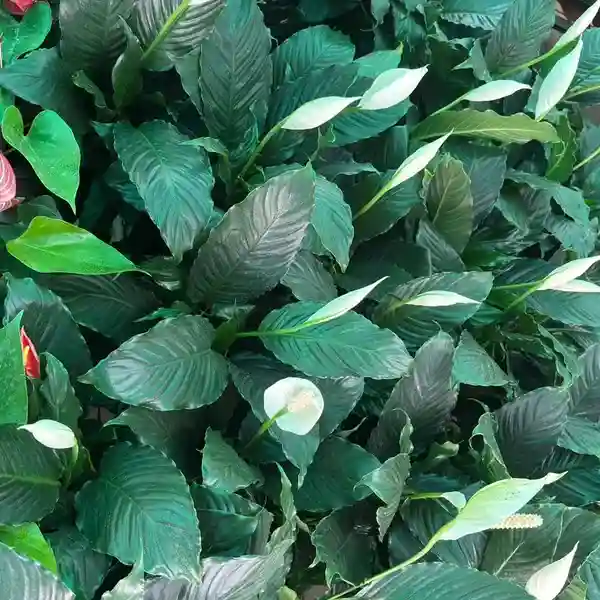
Peace Lily Sensation is the largest and most dramatic variety of Spathiphyllum. Known for its broad, deeply ribbed leaves and bold architectural presence, this plant is widely used as a premium indoor foliage specimen. Compared to common Peace Lily varieties, ‘Sensation’ grows much larger and creates a strong tropical look indoors. With the right care, it stays lush, glossy, and occasionally produces large white blooms.
Peace Lily Sensation Care Guide :
Light Requirements
Peace Lily ‘Sensation’ grows best in bright, indirect light. Because of its large leaf surface, it benefits from more light than smaller Peace Lily types. Place it near a window with filtered light — east- or north-facing windows are ideal. It can tolerate medium light, but growth will slow and flowering becomes rare. Avoid direct sun, which can burn the leaves and cause yellow patches.
Temperature
This plant prefers warm indoor temperatures between 18–30°C. It is sensitive to cold and should be protected from temperatures below 13°C. Keep it away from cold drafts, AC vents, and sudden temperature fluctuations. Stable warmth helps maintain steady growth and leaf quality.
Watering
Peace Lily ‘Sensation’ likes evenly moist soil but never waterlogged conditions. Water thoroughly when the top 3–5 cm of soil feels dry. This variety also droops when thirsty, which is a useful visual signal. However, repeated severe wilting stresses the plant, so avoid letting it dry out too often. Always ensure excess water drains out fully. Root rot is the most common problem from overwatering.
Use room-temperature water. If your tap water is heavily chlorinated, occasional use of filtered or rested water helps prevent brown leaf tips.
Humidity
As a tropical plant, ‘Sensation’ enjoys moderate to high humidity. It grows best above 50% humidity. In dry indoor air, leaf edges may brown. Increase humidity by misting lightly, using a pebble tray, or placing a humidifier nearby. Its large leaves respond very well to improved moisture in the air.
Soil and Potting
Use a rich, well-draining potting mix. A blend of potting soil + coco peat + perlite or coarse sand works well. The soil should retain moisture while still allowing airflow to roots. Choose a pot with strong drainage holes. Because the plant grows large and top-heavy, use a sturdy, wide-based container for stability.
Repot every 1–2 years or when roots become crowded. Slightly root-bound plants are fine, but tightly packed roots will reduce growth and water absorption.
Fertilizing
Feed with a balanced liquid houseplant fertilizer every 4–6 weeks during spring and summer. Reduce feeding in cooler months. Because ‘Sensation’ has heavy foliage, it benefits from regular but light feeding. Avoid overfertilizing, which leads to leaf tip burn and salt buildup. Flush the soil with plain water every few months.
Leaf Care and Cleaning
The large leaves collect dust easily. Wipe them gently with a damp cloth every few weeks. Clean leaves photosynthesize better and look more attractive. Remove yellow or damaged leaves by cutting at the base with clean scissors.
Flowering
Peace Lily ‘Sensation’ produces larger but less frequent white blooms compared to smaller varieties. Flowers appear when the plant receives sufficient bright indirect light and consistent care. Mature plants flower more reliably. Do not expect constant blooming — this variety is mainly valued for foliage impact.
Propagation
Propagation is done through division during repotting. Separate clumps carefully so each section has roots and several leaves. Plant divisions into fresh mix and keep lightly shaded and moist until established.
Common Problems
Yellow leaves usually indicate overwatering or poor drainage. Brown tips suggest low humidity or excess fertilizer. Drooping leaves mean the plant is too dry — or occasionally that roots are damaged from soggy soil. Adjust watering after checking soil moisture.
With space, filtered light, and steady moisture, Peace Lily ‘Sensation’ becomes a striking indoor statement plant that stays beautiful year-round.
Related products
-
Philodendron Burle Marx Plant
Original price was: ₹485.00.₹149.00Current price is: ₹149.00.Add to cartSelling size: Single plant | Pot Included | Secure Packing The Philodendron Burle Marx is a fantastic and relatively easy-to-care-for plant, known for its glossy, spade-shaped leaves and dense, clumping growth. It’s often recommended as a great choice for beginner houseplant owners. Here is a comprehensive care guide for your Philodendron Burle Marx: Light …
-
String of Bananas
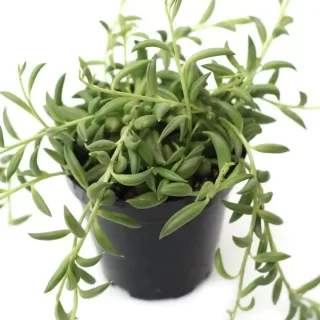
Original price was: ₹450.00.₹249.00Current price is: ₹249.00.Add to cartSelling size: Mentioned in last Picture | Secure Packing The String of Bananas (Curio radicans or Senecio radicans) is a charming trailing succulent known for its long, cascading stems covered in plump, banana-shaped leaves. It’s a popular choice for hanging baskets and is generally easy to care for, especially for those who are new …
-
Pilea involucrata ‘Norfolk’ – Friendship Plant
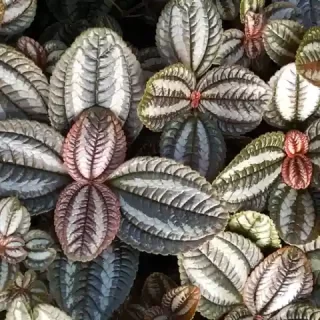
Original price was: ₹450.00.₹199.00Current price is: ₹199.00.Add to cartSize: Single Plant | 2.5″ Pot Included | Free Shipping The Pilea involucrata ‘Norfolk’, commonly known as the Friendship Plant, is a delightful houseplant celebrated for its unique, velvety, quilted foliage. The leaves have a rich texture and a beautiful color palette, with deep green and bronze tones on the upper surface and a reddish-purple …
-
Tillandsia Stricta (Air plant)
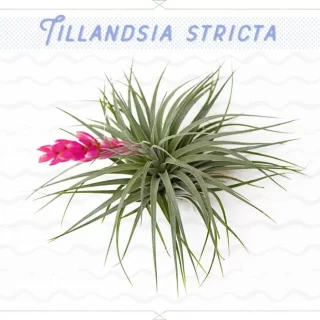
Original price was: ₹400.00.₹199.00Current price is: ₹199.00.Add to cartSelling size: Single plant | Secure Packing The Tillandsia Stricta (Air plant) is one of the most popular and adaptable species of air plants, known for its soft, green-silver foliage and beautiful blooms. Like all air plants, it is epiphytic, meaning it absorbs all its water and nutrients through its leaves from the air, not …
-
Calathiya Rattlesnake Plant
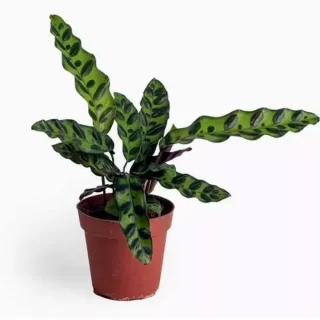
Price range: ₹125.00 through ₹549.00Select options This product has multiple variants. The options may be chosen on the product pageSelling size: Please Choose | Secure Packing | 2.5″-4″ Pot Included Calathiya rattlesnake is a plant easy to care for. However, there are a few measures and precautions you need to take to grow and maintain yours. Here’s a comprehensive guide for rattlesnake plant : Light Calathea Lancifolia prefers bright, indirect light. Like most variegated …
-
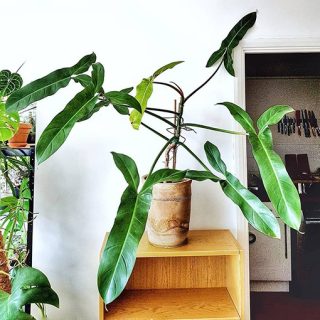
Philodendron Mexicanum
Original price was: ₹1,090.00.₹749.00Current price is: ₹749.00.Add to cartSelling size: Single Plant | Pot included The Philodendron mexicanum is a beautiful vining plant known for its long, arrow-shaped leaves with a striking deep maroon or reddish underside. As its name suggests, it is native to the tropical forests of Mexico. It’s a relatively easy-to-care-for plant, especially for those familiar with other vining philodendrons. …
-
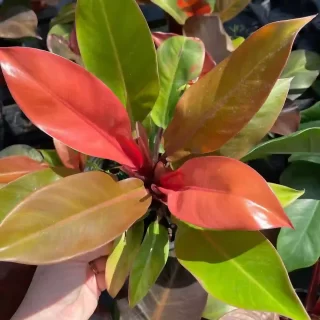
Philodendron ‘Prince of Orange’
Price range: ₹199.00 through ₹620.00Select options This product has multiple variants. The options may be chosen on the product pageSelling Size : Single Plant | Pot Included | Secure Packing The Philodendron ‘Prince of Orange’ is a stunning and popular hybrid known for its vibrant, ever-changing leaf colors. New leaves emerge as a brilliant orange or coppery color, and as they mature, they transition to a lime green, then a deep, glossy green. It …
-
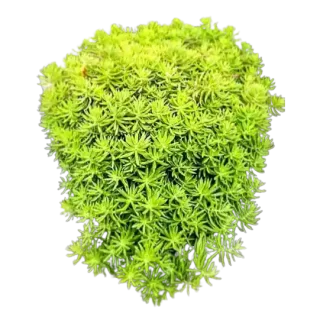
Golden Sedum Plant
Original price was: ₹549.00.₹349.00Current price is: ₹349.00.Add to cartSelling size: Well rooted plan | 2.5″ pot included The Golden Sedum (Sedum adolphii) is a popular succulent known for its bright, fleshy, evergreen leaves that can take on a beautiful golden-yellow or even reddish-pink tint in bright sun. It has a trailing or spreading growth habit, making it a great choice for hanging baskets, …
 If you need any assistance, I'm always here. Have you found what you were looking for?