

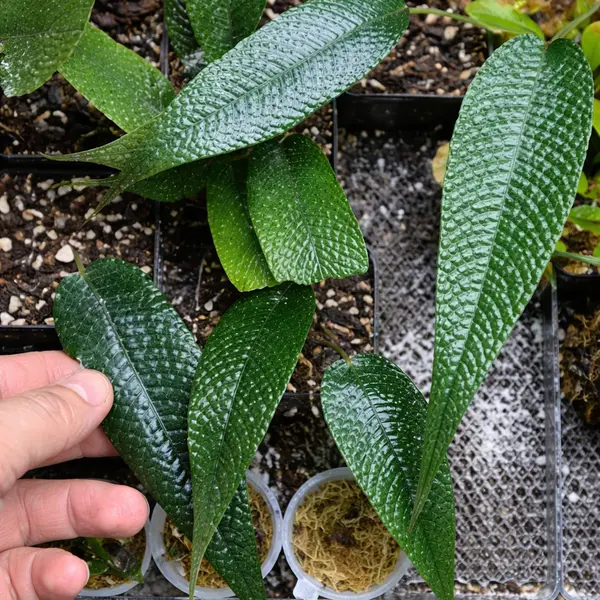
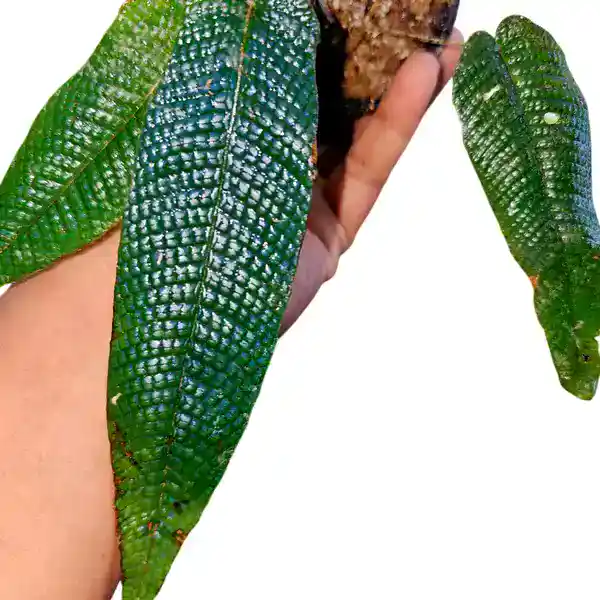
Pronephrium simplex
Original price was: ₹2,400.00.₹2,134.00Current price is: ₹2,134.00.
Related products
-
Black zz plant, Raven ZZ Plant
Price range: ₹99.00 through ₹499.00Select options This product has multiple variants. The options may be chosen on the product pageSelling size: Please Choose (Single – Bushy) | 2.5″-5” Pot Included | Secure Packing The Black ZZ Plant, or Raven ZZ Plant (Zamioculcas zamiifolia ‘Raven’), is a popular, exceptionally resilient houseplant known for its striking, nearly black foliage. It shares the easy-care nature of the standard green ZZ plant, making it perfect for beginners or …
-
Scindapsus Pictus Exotica
Original price was: ₹380.00.₹99.00Current price is: ₹99.00.Add to cartSelling size: Single Plant | 2.5″ Pot Included The Scindapsus Pictus Exotica, also known as the silver pothos, is a houseplant with large, dark green leaves that have silver spots and mottling. Here’s a guide to caring for your Scindapsus pictus Exotica plant: Light: Prefers bright, indirect light. An east or west-facing window that’s about …
-
Columbian Peperomia (Galaxy pepperomia)
Original price was: ₹345.00.₹183.65Current price is: ₹183.65.Read moreSelling size:Well rooted plant in a jiffy bag The Columbian Peperomia (Peperomia metallica var. columbiana) is a visually striking and relatively low-maintenance houseplant. It is also sometimes sold as “Galaxy Peperomia,” a name that hints at its unique foliage. This plant is known for its beautiful, semi-succulent leaves that have a dark green or bronze-purple …
-
Golden Pothos
Original price was: ₹355.00.₹99.00Current price is: ₹99.00.Add to cartSelling size : Well rooted plant | 2.5″ pot included The Golden Pothos (Epipremnum aureum), also known as Devil’s Ivy, is one of the most popular and easiest houseplants to care for, making it an excellent choice for beginners. It’s a vining plant with heart-shaped leaves that are a vibrant green, often with splashes or …
-
String Of Nickels (Dischidia nummularia)
Price range: ₹99.00 through ₹599.00Select options This product has multiple variants. The options may be chosen on the product pageSelling size: Well rooted plant in a Jiffy bag The Dischidia nummularia, commonly known as the String of Nickels or Button Orchid, is a delightful and easy-to-care-for trailing epiphyte. Its common name comes from its small, round, coin-shaped leaves that densely cover its long, slender stems. As a relative of the Hoya, it shares a similar …
-
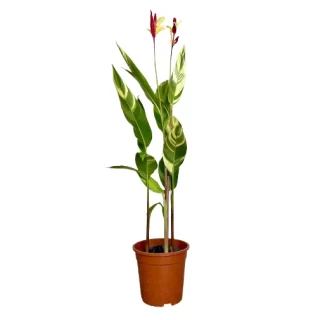
Heliconia Variegated – Super Rare
Original price was: ₹2,599.00.₹1,099.00Current price is: ₹1,099.00.Add to cartPlant size: Single plant | Pot Included | Free shipping The Variegated Heliconia (often a cultivar of Heliconia psittacorum, like ‘Lady Di’ or ‘Golden Torch’) is a striking tropical plant known for its banana-like leaves splashed with stripes of cream, yellow, or white. It is a demanding plant, requiring specific tropical conditions to thrive, especially …






 If you need any assistance, I'm always here. Have you found what you were looking for?