
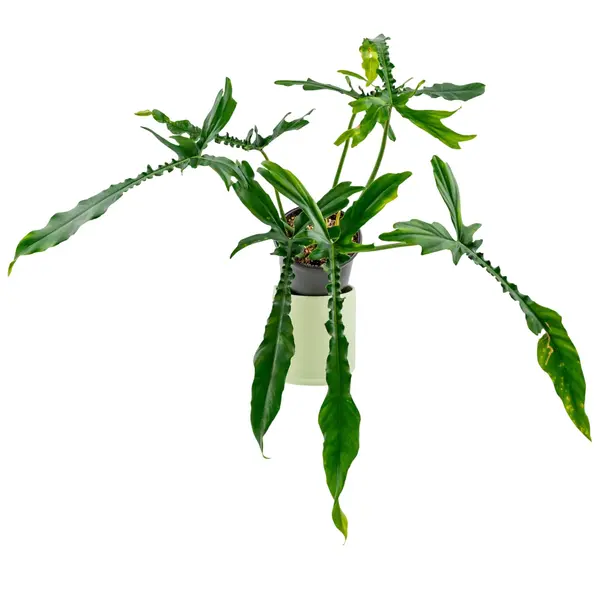
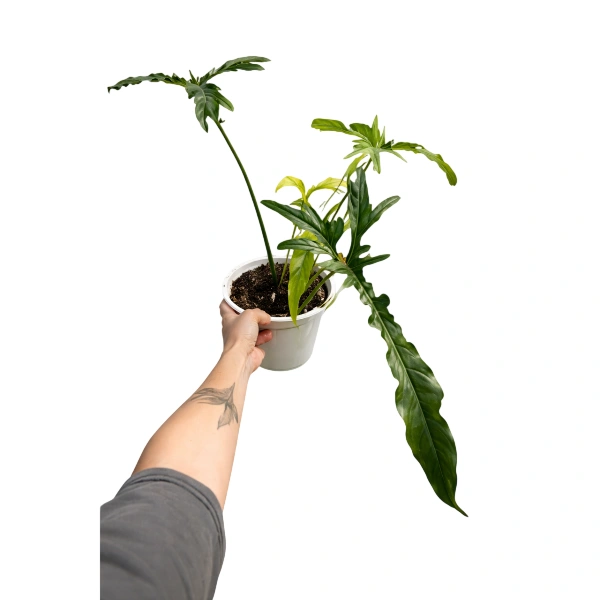
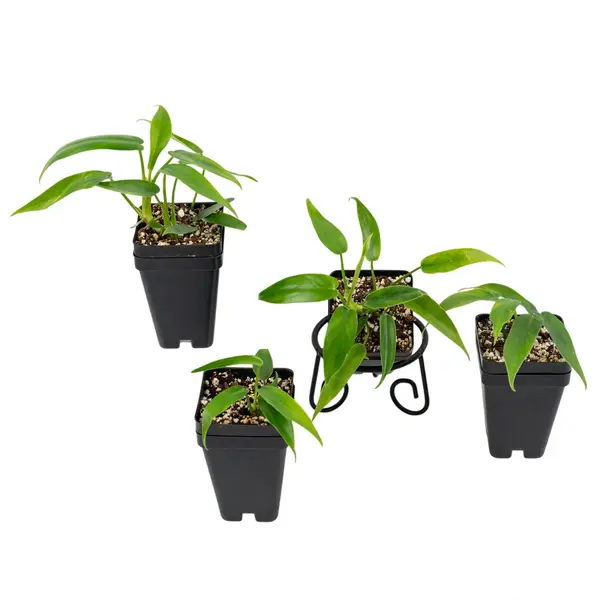
Philodendron Belle Isle
Original price was: ₹3,000.00.₹2,449.00Current price is: ₹2,449.00.
Selling Size : Single Plant | Pot Included | Secure Packing | Free Delivery
Philodendron Belle Isle is a rare and attractive aroid valued for its elegant foliage, climbing growth habit, and tropical appearance. Like most philodendrons, it is relatively easy to grow when given the right balance of light, moisture, and humidity. This makes it a great choice for both collectors and indoor plant lovers who want an exotic yet manageable plant. Here’s a complete care guide to help your Philodendron Belle Isle thrive.
Philodendron Belle Isle Care Guide :
Light Requirements
Philodendron Belle Isle grows best in bright, indirect light. Place it near an east- or north-facing window, or a few meters away from a bright south- or west-facing window with filtered light. Direct harsh sun can scorch the leaves and cause fading or brown patches. Too little light will slow growth and may result in smaller leaves and longer gaps between nodes. Consistent medium-to-bright filtered light encourages fuller and healthier foliage.
Watering
Water when the top 2–3 cm of the potting mix feels dry. Philodendrons prefer slightly moist soil but do not like to sit in water. Overwatering can lead to root rot, while letting the soil dry completely for long periods can stress the plant. Ensure the pot has good drainage and always empty the saucer after watering. During warmer months, watering frequency will increase; in cooler months, reduce watering slightly.
Humidity and Temperature
Being a tropical plant, Philodendron Belle Isle appreciates moderate to high humidity. Aim for at least 50–70% humidity for best growth. It can tolerate normal indoor humidity, but higher levels promote larger leaves and better vigor. If your space is dry, consider using a humidifier, pebble tray, or grouping plants together. Ideal temperature ranges from 18°C to 30°C. Avoid cold drafts and sudden temperature drops.
Soil and Potting Mix
Use a well-draining, airy aroid mix. A good blend includes coco peat or peat moss, orchid bark, perlite, and a bit of compost or worm castings. The mix should retain some moisture while allowing excess water to drain quickly. Dense garden soil should be avoided, as it compacts easily and restricts root oxygen. Repot when roots start circling the pot or growing out of drainage holes, usually every 1–2 years.
Fertilizing
Feed with a balanced liquid fertilizer (such as 20-20-20 or similar) diluted to half strength every 3–4 weeks during the active growing season. Organic options like seaweed extract or vermicompost tea also work well. Reduce or stop fertilizing during cooler months when growth slows. Overfertilizing can cause salt buildup and leaf burn, so occasional flushing of the soil with plain water is helpful.
Support and Growth Habit
Philodendron Belle Isle is a climbing type and benefits greatly from support such as a moss pole or coco pole. Providing vertical support encourages larger leaves and more mature growth. Tie the stems gently as they grow and keep the pole slightly moist if it’s a moss pole to encourage aerial roots to attach.
Pruning and Maintenance
Remove yellow or damaged leaves using clean scissors. Pruning can help control size and encourage bushier growth. Wipe leaves occasionally with a damp cloth to remove dust and improve photosynthesis. Rotate the pot every few weeks for even growth.
Propagation
Propagation is usually done through stem cuttings. Take a cutting with at least one node and one leaf, and root it in water, sphagnum moss, or a light potting mix. Keep warm and humid until roots develop.
Common Problems
Yellow leaves often indicate overwatering, while drooping may signal underwatering or root issues. Brown leaf edges can result from low humidity or excess fertilizer. Check regularly for pests like spider mites, mealybugs, and aphids.
With proper care, Philodendron Belle Isle becomes a stunning tropical centerpiece, rewarding growers with lush, healthy growth year-round.
Related products
-
Pellionia repens var. pulchra
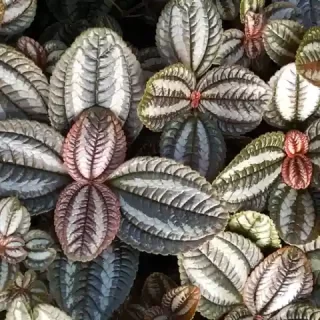
Original price was: ₹325.00.₹149.00Current price is: ₹149.00.Add to cartSelling size: Well rooted plant in a jiffy bag | Secure Packing The Pellionia repens var. pulchra, often called the Trailing Watermelon Begonia, is a beautiful and easy-to-care-for trailing plant. Its common name comes from the striking, patterned leaves that resemble the rind of a watermelon. Despite the name, it is not a true begonia …
-
Golden Sedum Plant
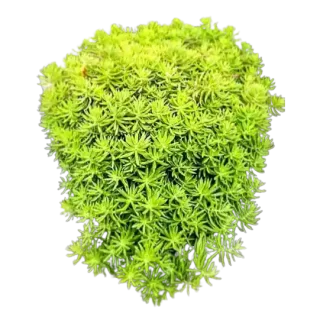
Original price was: ₹549.00.₹349.00Current price is: ₹349.00.Add to cartSelling size: Well rooted plan | 2.5″ pot included The Golden Sedum (Sedum adolphii) is a popular succulent known for its bright, fleshy, evergreen leaves that can take on a beautiful golden-yellow or even reddish-pink tint in bright sun. It has a trailing or spreading growth habit, making it a great choice for hanging baskets, …
-
Philodendron Moonshine
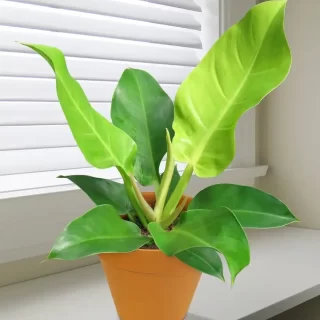
Original price was: ₹1,250.00.₹249.00Current price is: ₹249.00.Add to cartSelling size: Single plant | Pot included | Secure Packing The Philodendron Moonshine (often also called ‘Moonlight’) is a popular hybrid known for its vibrant, almost glowing, chartreuse-colored leaves. It has an upright, self-heading growth habit, so unlike many vining philodendrons, it doesn’t need a trellis or pole. Here is a comprehensive guide to caring …
-
Chlorophytum Spider Live Plant
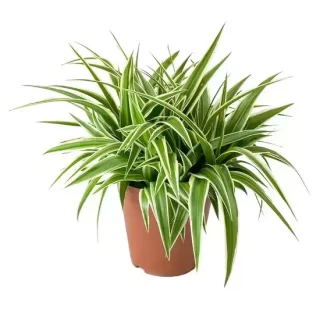
Original price was: ₹249.00.₹99.00Current price is: ₹99.00.Add to cartSelling size: Well rooted Single plant | 2.5″ Pot included Chlorophytum Spider, also the Spider Plant is an impressive houseplant which is the perfect plant for any beginner. A NASA certified air purifier, its long, green foliage with white variegations look good in both hanging planters and as desktop setups. In favourable conditions, it blooms …
-
Dischidia Oiantha plant
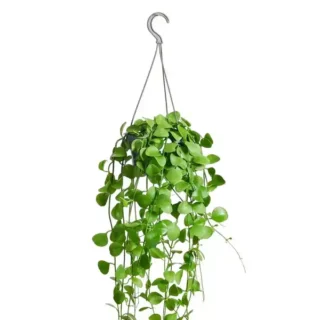
Price range: ₹99.00 through ₹599.00Select options This product has multiple variants. The options may be chosen on the product pagePlant Size: Single plant | Secure Packing The Dischidia oiantha, often referred to as a “Hoya cousin,” is a charming, easy-to-care-for epiphyte with trailing vines and small, oval, succulent-like leaves. It’s a great choice for hanging baskets or for adding a touch of whimsy to a shelf. Here is a comprehensive guide to caring for …
-
Pilea involucrata ‘Norfolk’ – Friendship Plant
Original price was: ₹450.00.₹199.00Current price is: ₹199.00.Add to cartSize: Single Plant | 2.5″ Pot Included | Free Shipping The Pilea involucrata ‘Norfolk’, commonly known as the Friendship Plant, is a delightful houseplant celebrated for its unique, velvety, quilted foliage. The leaves have a rich texture and a beautiful color palette, with deep green and bronze tones on the upper surface and a reddish-purple …
-
Scindapsus Pictus Exotica
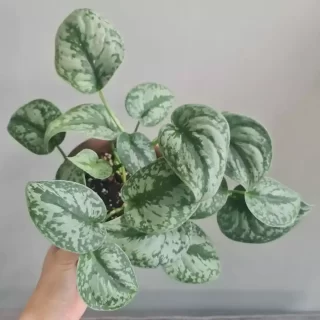
Original price was: ₹380.00.₹99.00Current price is: ₹99.00.Add to cartSelling size: Single Plant | 2.5″ Pot Included The Scindapsus Pictus Exotica, also known as the silver pothos, is a houseplant with large, dark green leaves that have silver spots and mottling. Here’s a guide to caring for your Scindapsus pictus Exotica plant: Light: Prefers bright, indirect light. An east or west-facing window that’s about …
-
Black zz plant, Raven ZZ Plant
Price range: ₹99.00 through ₹499.00Select options This product has multiple variants. The options may be chosen on the product pageSelling size: Please Choose (Single – Bushy) | 2.5″-5” Pot Included | Secure Packing The Black ZZ Plant, or Raven ZZ Plant (Zamioculcas zamiifolia ‘Raven’), is a popular, exceptionally resilient houseplant known for its striking, nearly black foliage. It shares the easy-care nature of the standard green ZZ plant, making it perfect for beginners or …

 If you need any assistance, I'm always here. Have you found what you were looking for?