
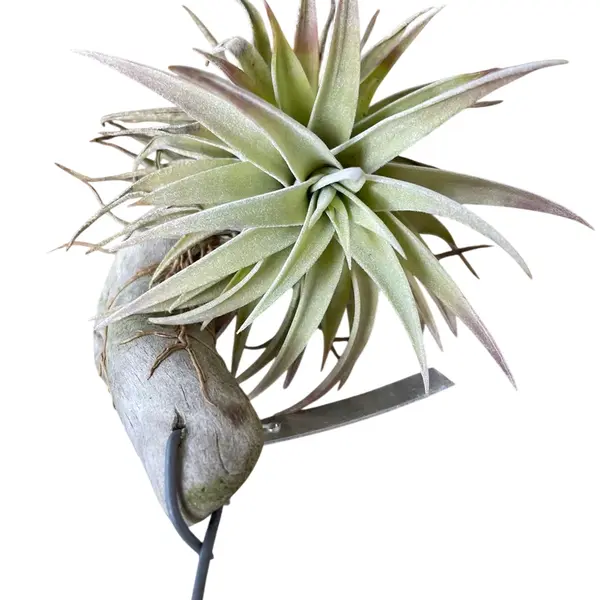
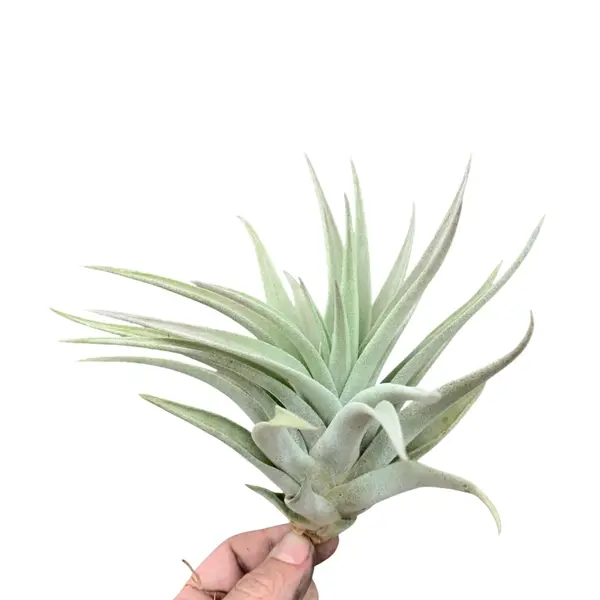
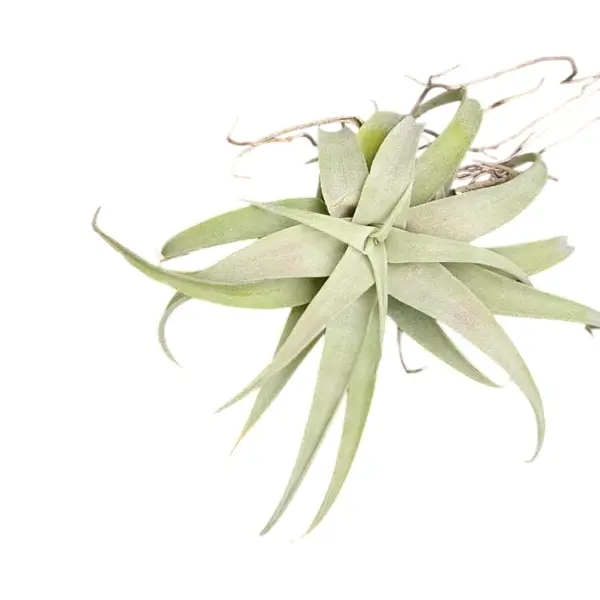
Tillandsia hondurensis
Original price was: ₹2,500.00.₹1,863.00Current price is: ₹1,863.00.
Selling Size : Single Plant | Secure Packing | Free Delivery
Tillandsia hondurensis is a beautiful species of air plant native to Honduras and surrounding regions of Central America. Known for its slender, arching green leaves and vibrant floral display, this Tillandsia produces striking pink to red bracts with delicate violet or purple flowers. Like all air plants, it does not require soil, making it an excellent choice for modern interiors, terrariums, and creative displays.
Tillandsia hondurensis – Complete Care Guide :
Light Requirements
Tillandsia hondurensis thrives in bright, indirect light. Adequate light is essential for healthy growth and successful blooming.
-
Ideal placement: Near an east- or north-facing window indoors
-
Outdoor placement: Bright shade or filtered sunlight
Avoid prolonged exposure to harsh direct sun, especially midday sunlight, as it can cause leaf scorch. Insufficient light may result in weak growth and reduced flowering.
Watering & Hydration
Proper watering is the most critical aspect of air plant care.
-
Soak the plant in clean, room-temperature water for 20–30 minutes, 2–3 times per week in warm climates
-
In cooler or more humid conditions, soaking once or twice a week is sufficient
After soaking, gently shake off excess water and place the plant upside down or on a towel to dry completely within 4 hours. Never allow water to sit in the base of the leaves, as this can lead to rot.
Air Circulation
Good airflow is essential for Tillandsia hondurensis.
-
Place the plant in a well-ventilated area
-
Avoid closed glass containers without airflow
Proper air circulation helps the plant dry quickly after watering and prevents fungal or bacterial issues.
Temperature & Humidity
Tillandsia hondurensis prefers warm, tropical conditions.
-
Ideal temperature range: 18–32°C
-
Protect from temperatures below 10°C
This species enjoys moderate to high humidity, making it well suited for tropical and coastal climates. Occasional misting can supplement soaking in very dry indoor environments.
Fertilizing
Although not mandatory, light fertilization supports stronger growth and flowering.
-
Use a bromeliad or air plant fertilizer, diluted to ¼ strength
-
Apply once every 3–4 weeks during the active growing season
Avoid over-fertilizing, as excess nutrients can damage the plant’s delicate leaves.
Mounting & Display
Tillandsia hondurensis can be displayed in many creative ways:
-
Mounted on driftwood or cork bark
-
Placed in wire holders or decorative frames
-
Positioned on shells or stones
If mounting, use non-toxic glue or soft wire, ensuring the base remains exposed to air and water can drain freely.
Blooming Cycle
This air plant typically blooms once in its lifetime, producing colorful bracts and flowers that may last several weeks. After blooming, the mother plant slowly declines while producing pups (offsets) at the base.
-
Allow pups to grow until they reach ⅓–½ the size of the parent before separating
-
Leaving pups attached creates a beautiful natural clump
Common Problems
-
Brown leaf tips: Often caused by underwatering or low humidity
-
Soft, black base: A sign of overwatering or poor drying
-
Fading color: Usually due to insufficient light
Adjust care conditions promptly to restore plant health.
Toxicity
Tillandsia hondurensis is non-toxic and safe for homes with children and pets.
Growth & Maintenance
With proper care, Tillandsia hondurensis remains compact, graceful, and long-lasting. Regular hydration, bright light, and good airflow are the keys to success. Its elegant form and colorful blooms make it an excellent choice for beginners and experienced collectors alike.
Related products
-
Dischidia nummularia (Pebble Beach/ Button Orchid)
Price range: ₹99.00 through ₹599.00Select options This product has multiple variants. The options may be chosen on the product pagePlant Size: Single plant | 2.5″ Pot Included he Dischidia nummularia, commonly known as the String of Nickels, Pebble Beach plant, or Button Orchid, is a charming epiphyte with trailing stems covered in small, round, succulent-like leaves. It’s a great choice for hanging baskets and is known for being relatively easy to care for, especially …
-
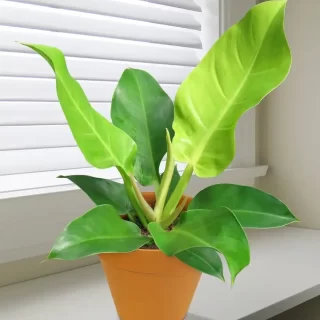
Philodendron Moonshine
Original price was: ₹1,250.00.₹249.00Current price is: ₹249.00.Add to cartSelling size: Single plant | Pot included | Secure Packing The Philodendron Moonshine (often also called ‘Moonlight’) is a popular hybrid known for its vibrant, almost glowing, chartreuse-colored leaves. It has an upright, self-heading growth habit, so unlike many vining philodendrons, it doesn’t need a trellis or pole. Here is a comprehensive guide to caring …
-
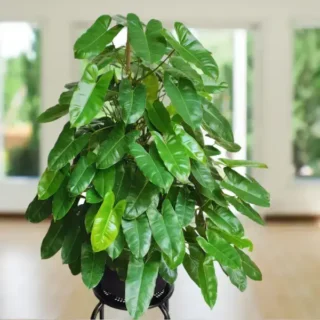
Philodendron Burle Marx Plant
Original price was: ₹485.00.₹149.00Current price is: ₹149.00.Add to cartSelling size: Single plant | Pot Included | Secure Packing The Philodendron Burle Marx is a fantastic and relatively easy-to-care-for plant, known for its glossy, spade-shaped leaves and dense, clumping growth. It’s often recommended as a great choice for beginner houseplant owners. Here is a comprehensive care guide for your Philodendron Burle Marx: Light …
-
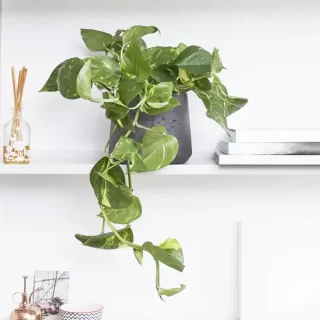
Golden Pothos
Original price was: ₹355.00.₹99.00Current price is: ₹99.00.Add to cartSelling size : Well rooted plant | 2.5″ pot included The Golden Pothos (Epipremnum aureum), also known as Devil’s Ivy, is one of the most popular and easiest houseplants to care for, making it an excellent choice for beginners. It’s a vining plant with heart-shaped leaves that are a vibrant green, often with splashes or …
-
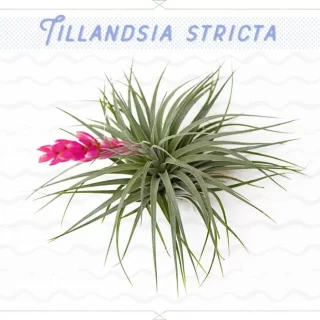
Tillandsia Stricta (Air plant)
Original price was: ₹400.00.₹199.00Current price is: ₹199.00.Add to cartSelling size: Single plant | Secure Packing The Tillandsia Stricta (Air plant) is one of the most popular and adaptable species of air plants, known for its soft, green-silver foliage and beautiful blooms. Like all air plants, it is epiphytic, meaning it absorbs all its water and nutrients through its leaves from the air, not …
-
Philodendron Mican plant
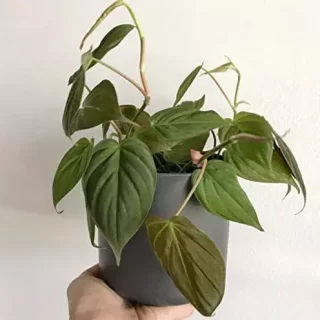
Original price was: ₹650.00.₹99.00Current price is: ₹99.00.Add to cartSelling size: A well rooted plant | 2.5″ Pot Included The Philodendron Micans (Philodendron hederaceum ‘Micans’), also known as the Velvet-Leaf Philodendron, is a popular, easy-care trailing or climbing houseplant prized for its unique, velvety, heart-shaped leaves that emerge a beautiful chartreuse/pink and mature to a deep, iridescent, bronze-green with hints of purple. Here is …
-
Chlorophytum Spider Live Plant
Original price was: ₹249.00.₹99.00Current price is: ₹99.00.Add to cartSelling size: Well rooted Single plant | 2.5″ Pot included Chlorophytum Spider, also the Spider Plant is an impressive houseplant which is the perfect plant for any beginner. A NASA certified air purifier, its long, green foliage with white variegations look good in both hanging planters and as desktop setups. In favourable conditions, it blooms …
-
Calathiya Rattlesnake Plant
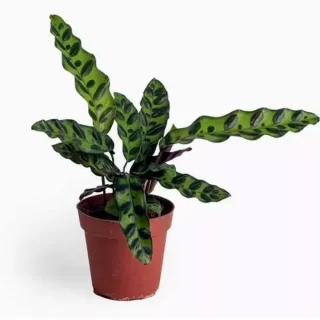
Price range: ₹125.00 through ₹549.00Select options This product has multiple variants. The options may be chosen on the product pageSelling size: Please Choose | Secure Packing | 2.5″-4″ Pot Included Calathiya rattlesnake is a plant easy to care for. However, there are a few measures and precautions you need to take to grow and maintain yours. Here’s a comprehensive guide for rattlesnake plant : Light Calathea Lancifolia prefers bright, indirect light. Like most variegated …

 If you need any assistance, I'm always here. Have you found what you were looking for?