
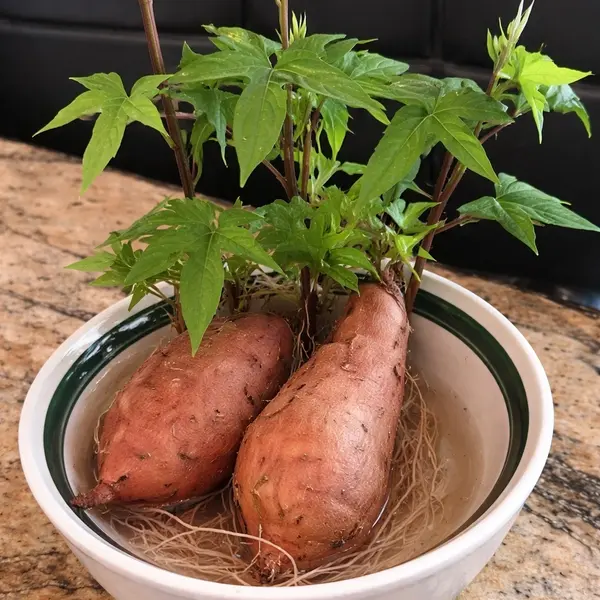
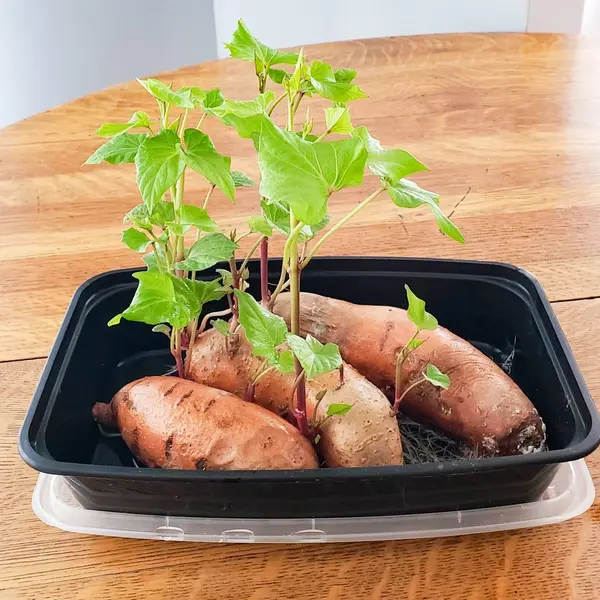
Sweet Potatoes
Original price was: ₹599.00.₹199.00Current price is: ₹199.00.
Selling Size : Single Plant | Pot Included | Secure Packing
Sweet potatoes (Ipomoea batatas) are warm-season, fast-growing plants valued both as a nutritious root crop and as an ornamental vine. They are easy to grow in tropical and subtropical regions like India and perform well in home gardens, grow bags, terraces, and even large containers. With proper care, sweet potatoes reward growers with lush foliage and healthy tubers.
Sweet Potatoes (Ipomoea batatas) – Complete Care Guide :
Climate and Light Requirements
Sweet potatoes thrive in warm climates and need temperatures between 20–35°C for optimal growth. They are highly sensitive to frost and cold stress, so planting should only be done once temperatures remain consistently warm.
For best results, grow sweet potatoes in full sun, receiving at least 6–8 hours of direct sunlight daily. While they can tolerate partial shade, insufficient light reduces tuber formation and overall yield. In terrace gardens, place containers where sunlight is uninterrupted for most of the day.
Soil and Growing Medium
Loose, well-draining soil is essential for sweet potatoes, as compact soil leads to deformed or stunted tubers. The ideal soil mix should be light, sandy-loam, and rich in organic matter. A recommended potting mix includes:
-
Garden soil or coco peat
-
River sand or perlite for drainage
-
Well-decomposed compost or vermicompost
Soil pH should be slightly acidic to neutral (pH 5.5–7.0). Avoid heavy clay soils and fresh manure, as they promote excessive vine growth at the expense of tubers.
Watering Needs
Sweet potatoes prefer consistent but moderate watering. Keep the soil evenly moist during the early growth stage, especially while vines are establishing. Once tubers begin forming, reduce watering slightly to prevent rot.
Overwatering is one of the most common problems, leading to fungal diseases and cracked tubers. Ensure containers and beds have proper drainage, and always allow the topsoil to dry slightly between waterings.
Fertilization
Sweet potatoes are light to moderate feeders. Excess nitrogen encourages leafy growth but reduces tuber development. Use a balanced or low-nitrogen fertilizer for best results.
-
At planting: Mix compost or vermicompost into the soil
-
During growth: Apply a balanced liquid fertilizer once every 3–4 weeks
-
During tuber formation: Switch to a potassium-rich feed to improve size and sweetness
Organic options like seaweed extract or banana peel compost work very well.
Spacing and Vine Management
Sweet potato vines spread aggressively and need space to grow. In ground planting, maintain 30–45 cm spacing between plants. In containers, use large grow bags or pots (at least 25–30 cm deep).
To improve tuber yield, gently lift and redirect vines occasionally so they don’t root at multiple nodes, which diverts energy away from the main tubers.
Pest and Disease Control
Sweet potatoes are relatively hardy but may occasionally face issues such as aphids, spider mites, or sweet potato weevils. Regular inspection is important.
-
Use neem oil spray every 10–14 days as a preventive measure
-
Maintain good air circulation to prevent fungal diseases
-
Avoid waterlogging to reduce root rot
Healthy soil and proper watering are the best natural defenses.
Harvesting
Sweet potatoes are typically ready for harvest 90–120 days after planting, depending on variety and climate. Yellowing leaves and slowed vine growth indicate maturity. Carefully dig around the plant to avoid damaging tubers.
After harvest, cure the tubers by keeping them in a warm, dry place for 7–10 days. This improves sweetness, flavor, and storage life.
Uses and Benefits
Apart from being a nutritious vegetable rich in fiber, vitamins A and C, sweet potato vines are also used as ornamental plants and fodder. The leaves are edible and commonly used in stir-fries and curries.
With minimal care and the right conditions, sweet potatoes are one of the most rewarding crops for home gardeners, offering both beauty and abundant harvests.
Related products
-
String of Bananas
Original price was: ₹450.00.₹249.00Current price is: ₹249.00.Add to cartSelling size: Mentioned in last Picture | Secure Packing The String of Bananas (Curio radicans or Senecio radicans) is a charming trailing succulent known for its long, cascading stems covered in plump, banana-shaped leaves. It’s a popular choice for hanging baskets and is generally easy to care for, especially for those who are new …
-
String Of Nickels (Dischidia nummularia)
Price range: ₹99.00 through ₹599.00Select options This product has multiple variants. The options may be chosen on the product pageSelling size: Well rooted plant in a Jiffy bag The Dischidia nummularia, commonly known as the String of Nickels or Button Orchid, is a delightful and easy-to-care-for trailing epiphyte. Its common name comes from its small, round, coin-shaped leaves that densely cover its long, slender stems. As a relative of the Hoya, it shares a similar …
-
Dischidia nummularia (Pebble Beach/ Button Orchid)
Price range: ₹99.00 through ₹599.00Select options This product has multiple variants. The options may be chosen on the product pagePlant Size: Single plant | 2.5″ Pot Included he Dischidia nummularia, commonly known as the String of Nickels, Pebble Beach plant, or Button Orchid, is a charming epiphyte with trailing stems covered in small, round, succulent-like leaves. It’s a great choice for hanging baskets and is known for being relatively easy to care for, especially …
-
Dischidia Oiantha plant
Price range: ₹99.00 through ₹599.00Select options This product has multiple variants. The options may be chosen on the product pagePlant Size: Single plant | Secure Packing The Dischidia oiantha, often referred to as a “Hoya cousin,” is a charming, easy-to-care-for epiphyte with trailing vines and small, oval, succulent-like leaves. It’s a great choice for hanging baskets or for adding a touch of whimsy to a shelf. Here is a comprehensive guide to caring for …
-
Calathiya Rattlesnake Plant
Price range: ₹125.00 through ₹549.00Select options This product has multiple variants. The options may be chosen on the product pageSelling size: Please Choose | Secure Packing | 2.5″-4″ Pot Included Calathiya rattlesnake is a plant easy to care for. However, there are a few measures and precautions you need to take to grow and maintain yours. Here’s a comprehensive guide for rattlesnake plant : Light Calathea Lancifolia prefers bright, indirect light. Like most variegated …
-
Pilea Repens, Black Panamiga
Original price was: ₹280.00.₹149.00Current price is: ₹149.00.Add to cartSize: Single Plant | Jiffy Bag Caring for a Pilea Ripens (also known as Black Panamiga) involves understanding its specific needs to ensure it thrives. Here’s a breakdown of Pilea Repens, Black Panamiga key care aspects: Key Care Points: Light: Pilea repens prefers bright, indirect sunlight. Direct sunlight can scorch its leaves. Rotating the plant …
-
Wandering Jew Plant
Original price was: ₹305.00.₹149.00Current price is: ₹149.00.Add to cartSelling size: This plant comes in a 2.5″ Square pot The Wandering Jew Plant, also known as the Tradescantia! They’re such vibrant and easy-to-love plants. To keep yours thriving, here’s a rundown of Wandering Jew Plant care needs: Light: They absolutely love bright, indirect sunlight. Think of a spot near an east- or west-facing window …
-
Black zz plant, Raven ZZ Plant
Price range: ₹99.00 through ₹499.00Select options This product has multiple variants. The options may be chosen on the product pageSelling size: Please Choose (Single – Bushy) | 2.5″-5” Pot Included | Secure Packing The Black ZZ Plant, or Raven ZZ Plant (Zamioculcas zamiifolia ‘Raven’), is a popular, exceptionally resilient houseplant known for its striking, nearly black foliage. It shares the easy-care nature of the standard green ZZ plant, making it perfect for beginners or …








 If you need any assistance, I'm always here. Have you found what you were looking for?