

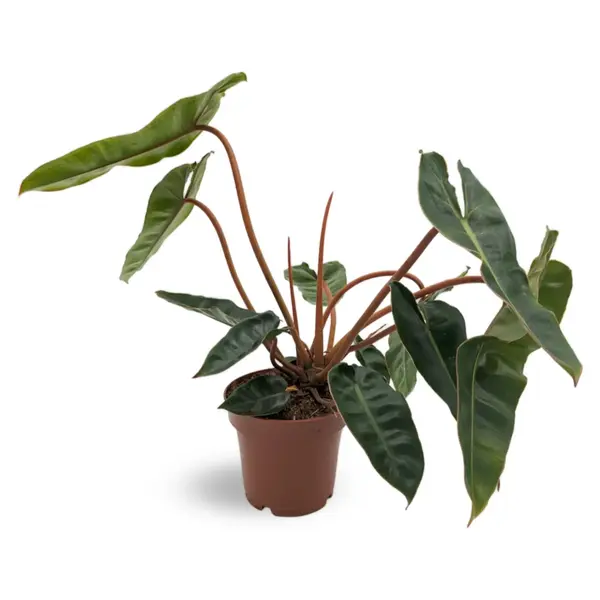
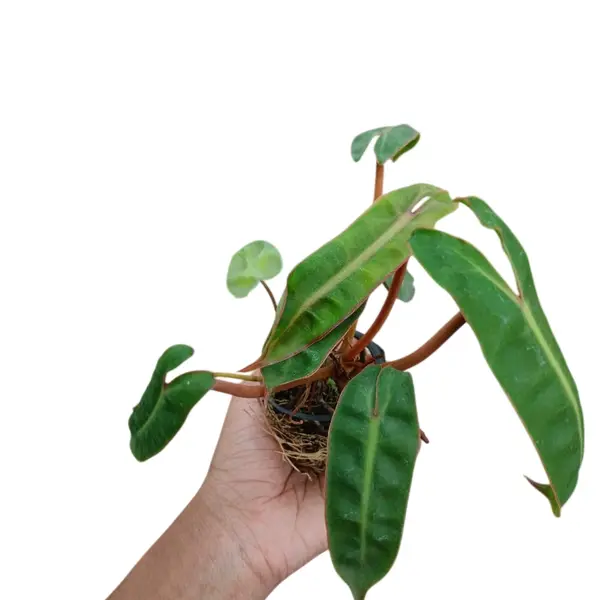
Philodendron Billietiae – Net Pot
Original price was: ₹149.00.₹49.00Current price is: ₹49.00.
Selling Size : Single Plant | Net Pot Included | Secure Packing
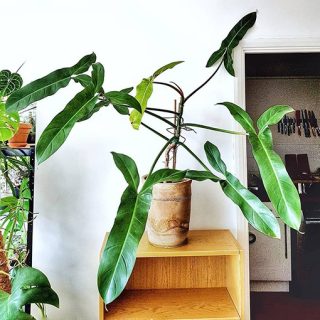
Philodendron Billietiae – Net Pot is a rare and striking aroid known for its long, narrow, glossy green leaves and distinctive bright orange petioles. Native to the tropical rainforests of Brazil, Guyana, and Suriname, this plant is highly valued by collectors. When grown in a net pot, Philodendron billietiae adapts beautifully to semi-hydroponic setups, provided its environmental and nutritional needs are met. Net pot cultivation allows excellent root aeration and makes moisture control easier, but it also requires attentive care.
Philodendron billietiae – Net Pot Care Guide :
Light Requirements
Philodendron billietiae thrives in bright, indirect light. Place it near an east-facing window or a few feet away from a south- or west-facing window with filtered sunlight. Strong indirect light encourages healthy leaf size and vibrant petiole color. Avoid direct sun, as it can scorch the leaves. In low light, growth slows and leaves may become smaller and paler. Grow lights can be used to supplement natural light if needed.
Watering and Moisture Management (Net Pot)
In a net pot setup, the plant is usually grown with LECA, lava rock, or similar inert media. The roots should have access to moisture without being constantly submerged. Maintain a shallow water reservoir at the bottom of the cache pot so that only the lower portion of the roots or medium touches the water. Refill the reservoir once it drops low, usually every 5–10 days depending on temperature and humidity. Always use clean, room-temperature water. Stagnant water should be replaced regularly to prevent bacterial buildup.
Nutrients and Fertilization
Because net pot media contains no nutrients, regular feeding is essential. Use a diluted balanced hydroponic nutrient solution (¼ to ½ strength) every time you refill the water reservoir. Flush the system with plain water once a month to prevent salt buildup. During the active growing season (spring and summer), consistent feeding supports large, healthy leaves. Reduce feeding slightly during cooler months, but never allow the plant to go nutrient-deficient for long periods.
Temperature and Humidity
Philodendron billietiae prefers warm temperatures between 20–30°C. It does not tolerate cold drafts or sudden temperature drops, so keep it away from air conditioners and open windows in winter. High humidity is strongly recommended, ideally 60–80%, to prevent leaf edge browning and encourage lush growth. A humidifier, enclosed cabinet, or grouping plants together works very well for this species.
Air Circulation and Root Health
Good air circulation is important in net pot culture to keep roots healthy. While humidity should be high, stagnant air can encourage fungal or bacterial issues. Ensure gentle airflow around the plant. Healthy roots should appear white to light tan and firm. If roots turn brown or mushy, reduce water levels and improve oxygen access immediately.
Support and Growth Habit
Philodendron billietiae is a climbing aroid. Providing a moss pole, coco pole, or vertical support encourages larger leaves and stronger growth. In net pot systems, ensure the support is stable and does not disturb the root system. As the plant climbs, leaf size and overall appearance improve significantly.
Pruning and Maintenance
Minimal pruning is required. Remove yellowing or damaged leaves using sterilized tools. Wipe leaves occasionally with a damp cloth to remove dust and maintain efficient photosynthesis. Check roots periodically for health, especially when changing water or nutrients.
Common Problems
-
Yellow leaves: Nutrient imbalance or poor root oxygenation
-
Brown tips: Low humidity or inconsistent moisture
-
Root rot: Water level too high or stagnant water
Conclusion
Growing Philodendron billietiae in a net pot is an excellent choice for plant enthusiasts who enjoy semi-hydroponic systems. With bright indirect light, warm temperatures, high humidity, proper nutrient management, and good airflow, this rare Philodendron will thrive and reward you with dramatic foliage and vibrant petioles. Consistency is the key to long-term success in net pot cultivation.
Related products
-
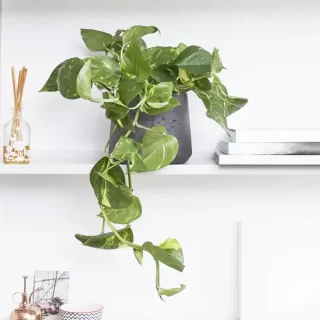
Golden Pothos
Original price was: ₹355.00.₹99.00Current price is: ₹99.00.Add to cartSelling size : Well rooted plant | 2.5″ pot included The Golden Pothos (Epipremnum aureum), also known as Devil’s Ivy, is one of the most popular and easiest houseplants to care for, making it an excellent choice for beginners. It’s a vining plant with heart-shaped leaves that are a vibrant green, often with splashes or …
-
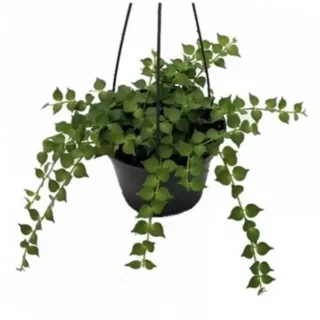
String Of Nickels (Dischidia nummularia)
Price range: ₹99.00 through ₹599.00Select options This product has multiple variants. The options may be chosen on the product pageSelling size: Well rooted plant in a Jiffy bag The Dischidia nummularia, commonly known as the String of Nickels or Button Orchid, is a delightful and easy-to-care-for trailing epiphyte. Its common name comes from its small, round, coin-shaped leaves that densely cover its long, slender stems. As a relative of the Hoya, it shares a similar …
-
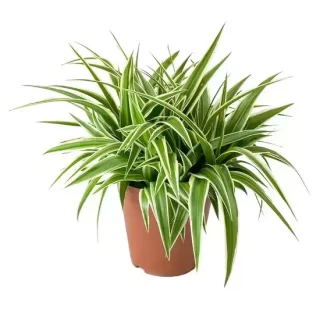
Chlorophytum Spider Live Plant
Original price was: ₹249.00.₹99.00Current price is: ₹99.00.Add to cartSelling size: Well rooted Single plant | 2.5″ Pot included Chlorophytum Spider, also the Spider Plant is an impressive houseplant which is the perfect plant for any beginner. A NASA certified air purifier, its long, green foliage with white variegations look good in both hanging planters and as desktop setups. In favourable conditions, it blooms …
-
Dischidia Ruscifolia (Million Hearts)
Price range: ₹199.00 through ₹499.00Select options This product has multiple variants. The options may be chosen on the product pagePlant Size: Single plant | 2.5″-6″ Pot Included The Dischidia Ruscifolia (Million Hearts), commonly known as the Million Hearts plant, is a delightful and easy-to-care-for trailing epiphyte. Its name comes from the abundance of small, heart-shaped leaves that densely cover its slender stems. As a member of the same family as Hoyas, its care …
-
Philodendron Mexicanum
Original price was: ₹1,090.00.₹749.00Current price is: ₹749.00.Add to cartSelling size: Single Plant | Pot included The Philodendron mexicanum is a beautiful vining plant known for its long, arrow-shaped leaves with a striking deep maroon or reddish underside. As its name suggests, it is native to the tropical forests of Mexico. It’s a relatively easy-to-care-for plant, especially for those familiar with other vining philodendrons. …
-
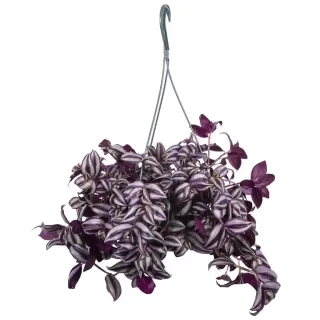
Wandering Jew Plant
Original price was: ₹305.00.₹149.00Current price is: ₹149.00.Add to cartSelling size: This plant comes in a 2.5″ Square pot The Wandering Jew Plant, also known as the Tradescantia! They’re such vibrant and easy-to-love plants. To keep yours thriving, here’s a rundown of Wandering Jew Plant care needs: Light: They absolutely love bright, indirect sunlight. Think of a spot near an east- or west-facing window …
-
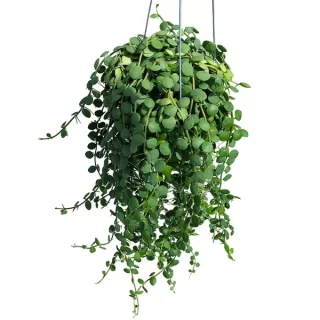
Dischidia nummularia (Pebble Beach/ Button Orchid)
Price range: ₹99.00 through ₹599.00Select options This product has multiple variants. The options may be chosen on the product pagePlant Size: Single plant | 2.5″ Pot Included he Dischidia nummularia, commonly known as the String of Nickels, Pebble Beach plant, or Button Orchid, is a charming epiphyte with trailing stems covered in small, round, succulent-like leaves. It’s a great choice for hanging baskets and is known for being relatively easy to care for, especially …
-
Pilea involucrata ‘Norfolk’ – Friendship Plant
Original price was: ₹450.00.₹199.00Current price is: ₹199.00.Add to cartSize: Single Plant | 2.5″ Pot Included | Free Shipping The Pilea involucrata ‘Norfolk’, commonly known as the Friendship Plant, is a delightful houseplant celebrated for its unique, velvety, quilted foliage. The leaves have a rich texture and a beautiful color palette, with deep green and bronze tones on the upper surface and a reddish-purple …

 If you need any assistance, I'm always here. Have you found what you were looking for?