
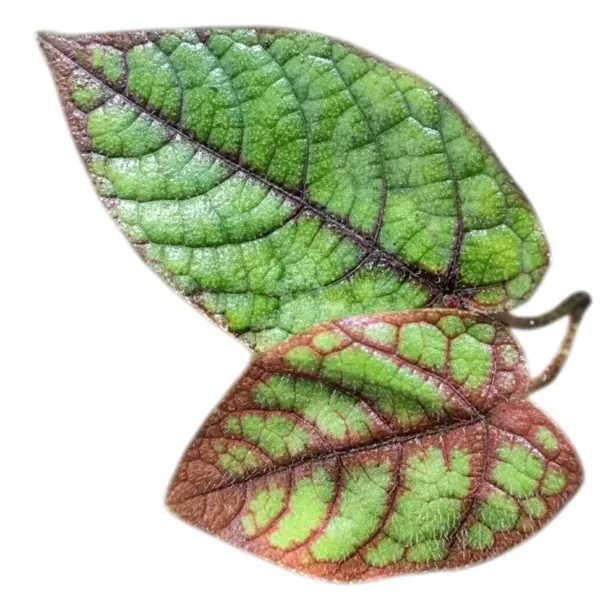
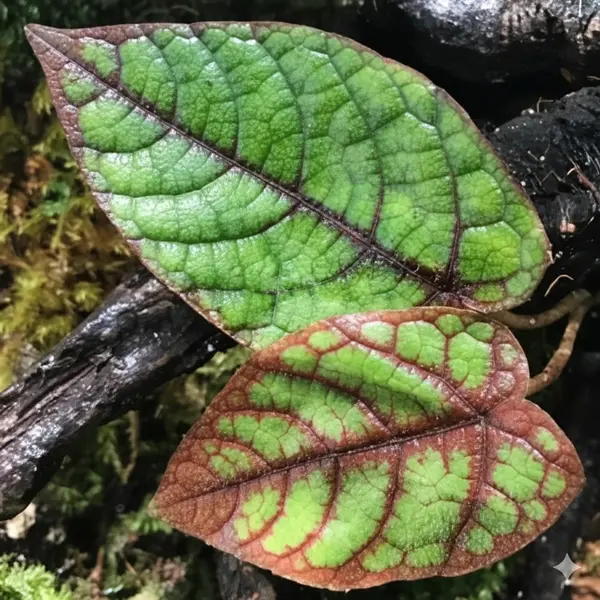
Pterisanthes Sp Green
Original price was: ₹2,600.00.₹1,800.00Current price is: ₹1,800.00.
Selling Size : Single Plant | Pot Included | Secure Packing | Free Delivery
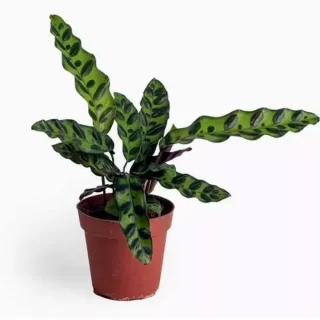
Pterisanthes Sp. Green is a rare and visually striking tropical vine admired for its unique, deeply lobed green leaves with a dramatic, almost wing-like structure. Native to humid rainforest regions of Southeast Asia, this plant belongs to the grape family (Vitaceae) and grows as a climber in its natural habitat. With proper care, Pterisanthes Sp. Green becomes a stunning statement plant indoors.
Pterisanthes Sp. Green Plant Care Guide :
Light Requirements
Pterisanthes Sp. Green thrives in bright, indirect light. It performs best when placed near an east- or north-facing window where it receives gentle morning light and protection from harsh midday sun. Direct sunlight can burn the thin leaves and cause discoloration, while very low light may slow growth and reduce leaf size. Filtered light helps maintain healthy foliage and steady growth.
Watering
Consistent but careful watering is essential. Water the plant when the top 2–3 cm of soil feels slightly dry. The soil should remain evenly moist but never soggy. Overwatering can lead to root rot, while allowing the soil to dry out completely may cause leaf wilting or drop. Always ensure excess water drains freely from the pot.
Soil and Potting
Use a loose, well-draining soil mix rich in organic matter. A combination of coco peat, compost, perlite, and orchid bark works well. This type of mix retains moisture while allowing good airflow around the roots. Choose a pot with drainage holes and repot every 1–2 years or when roots outgrow the container.
Temperature and Humidity
Pterisanthes Sp. Green prefers warm temperatures between 20°C and 30°C. Avoid exposure to cold drafts, air conditioning, or temperatures below 15°C, as this may stress the plant. High humidity is very important for optimal growth. Aim for humidity levels above 60%. Using a humidifier, misting occasionally, or placing the plant near other tropical plants can help maintain suitable humidity.
Fertilization
Feed the plant every 4–6 weeks during the active growing season using a balanced liquid fertilizer diluted to half strength. This supports healthy vine growth and leaf development. Avoid overfeeding, as excessive fertilizer may burn roots and damage foliage. Reduce feeding during winter when growth naturally slows.
Support and Training
As a natural climber, Pterisanthes Sp. Green benefits greatly from support. Provide a moss pole, trellis, or wooden stake to encourage vertical growth. Climbing helps the plant produce larger, more mature leaves and keeps the vines organized. Gently tie stems to the support as they grow.
Pruning and Maintenance
Pruning helps control size and encourages branching. Trim back leggy or damaged vines using clean, sharp scissors. Remove yellowing or old leaves to keep the plant healthy and attractive. Regular cleaning of leaves with a soft, damp cloth improves photosynthesis and reduces pest risk.
Propagation
Propagation is typically done through stem cuttings. Choose a healthy vine section with at least one node and place it in water or moist soil. Keep the cutting in warm, humid conditions. Root development usually occurs within a few weeks, after which it can be potted into a suitable soil mix.
Common Problems
Yellow leaves are often a sign of overwatering or poor drainage. Brown or crispy leaf edges usually indicate low humidity. Watch for pests such as spider mites, aphids, or mealybugs. Treat infestations early using neem oil or insecticidal soap.
Toxicity
There is limited information on the toxicity of Pterisanthes species. It is best to keep the plant out of reach of pets and children as a precaution.
Conclusion
Pterisanthes Sp. Green is a rare and rewarding tropical climber that thrives with bright indirect light, consistent moisture, high humidity, and proper support. With attentive care, it becomes an eye-catching addition to any plant collection, especially for enthusiasts who appreciate unique foliage and exotic growth habits.
Related products
-
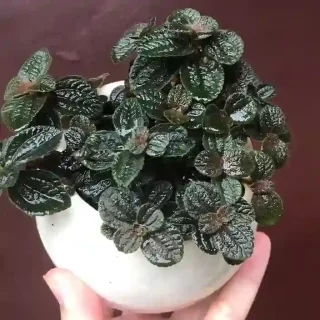
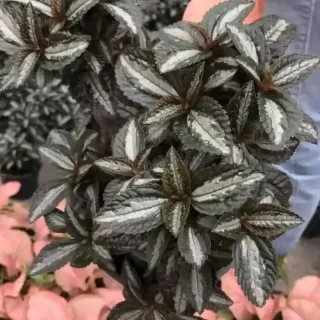
Pilea Repens, Black Panamiga
Original price was: ₹280.00.₹149.00Current price is: ₹149.00.Add to cartSize: Single Plant | Jiffy Bag Caring for a Pilea Ripens (also known as Black Panamiga) involves understanding its specific needs to ensure it thrives. Here’s a breakdown of Pilea Repens, Black Panamiga key care aspects: Key Care Points: Light: Pilea repens prefers bright, indirect sunlight. Direct sunlight can scorch its leaves. Rotating the plant …
-
String of Bananas
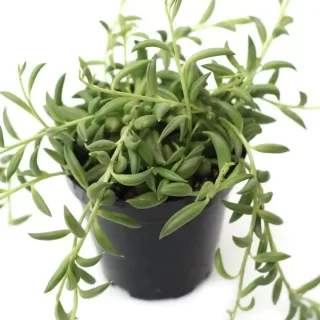
Original price was: ₹450.00.₹249.00Current price is: ₹249.00.Add to cartSelling size: Mentioned in last Picture | Secure Packing The String of Bananas (Curio radicans or Senecio radicans) is a charming trailing succulent known for its long, cascading stems covered in plump, banana-shaped leaves. It’s a popular choice for hanging baskets and is generally easy to care for, especially for those who are new …
-
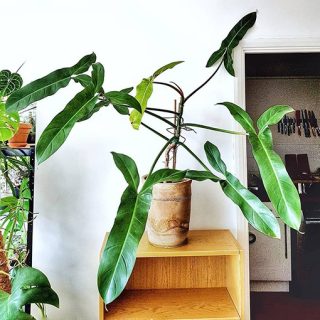
Philodendron Mexicanum
Original price was: ₹1,090.00.₹749.00Current price is: ₹749.00.Add to cartSelling size: Single Plant | Pot included The Philodendron mexicanum is a beautiful vining plant known for its long, arrow-shaped leaves with a striking deep maroon or reddish underside. As its name suggests, it is native to the tropical forests of Mexico. It’s a relatively easy-to-care-for plant, especially for those familiar with other vining philodendrons. …
-
Golden Pothos
Original price was: ₹355.00.₹99.00Current price is: ₹99.00.Add to cartSelling size : Well rooted plant | 2.5″ pot included The Golden Pothos (Epipremnum aureum), also known as Devil’s Ivy, is one of the most popular and easiest houseplants to care for, making it an excellent choice for beginners. It’s a vining plant with heart-shaped leaves that are a vibrant green, often with splashes or …
-
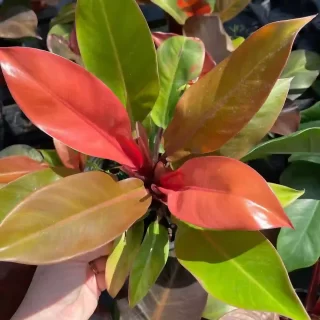
Philodendron ‘Prince of Orange’
Price range: ₹199.00 through ₹620.00Select options This product has multiple variants. The options may be chosen on the product pageSelling Size : Single Plant | Pot Included | Secure Packing The Philodendron ‘Prince of Orange’ is a stunning and popular hybrid known for its vibrant, ever-changing leaf colors. New leaves emerge as a brilliant orange or coppery color, and as they mature, they transition to a lime green, then a deep, glossy green. It …
-
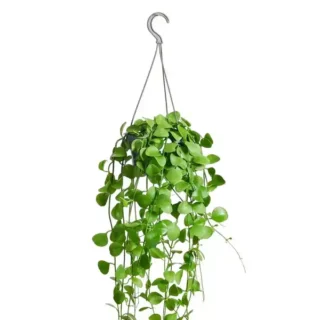
Dischidia Oiantha plant
Price range: ₹99.00 through ₹599.00Select options This product has multiple variants. The options may be chosen on the product pagePlant Size: Single plant | Secure Packing The Dischidia oiantha, often referred to as a “Hoya cousin,” is a charming, easy-to-care-for epiphyte with trailing vines and small, oval, succulent-like leaves. It’s a great choice for hanging baskets or for adding a touch of whimsy to a shelf. Here is a comprehensive guide to caring for …
-
Calathiya Rattlesnake Plant
Price range: ₹125.00 through ₹549.00Select options This product has multiple variants. The options may be chosen on the product pageSelling size: Please Choose | Secure Packing | 2.5″-4″ Pot Included Calathiya rattlesnake is a plant easy to care for. However, there are a few measures and precautions you need to take to grow and maintain yours. Here’s a comprehensive guide for rattlesnake plant : Light Calathea Lancifolia prefers bright, indirect light. Like most variegated …

 If you need any assistance, I'm always here. Have you found what you were looking for?