

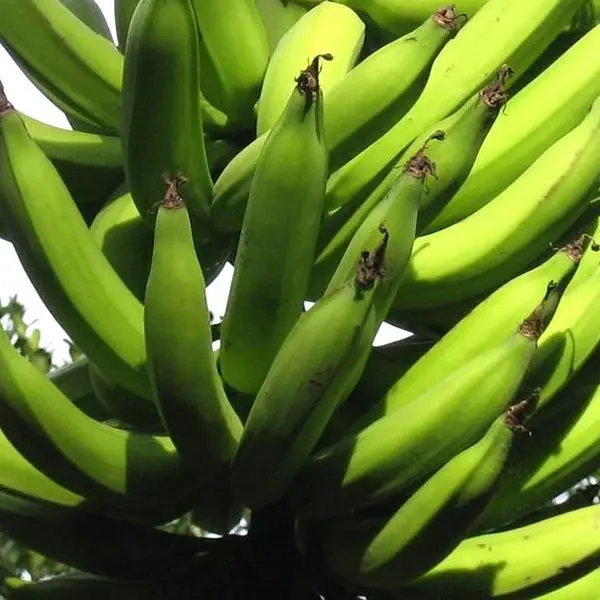
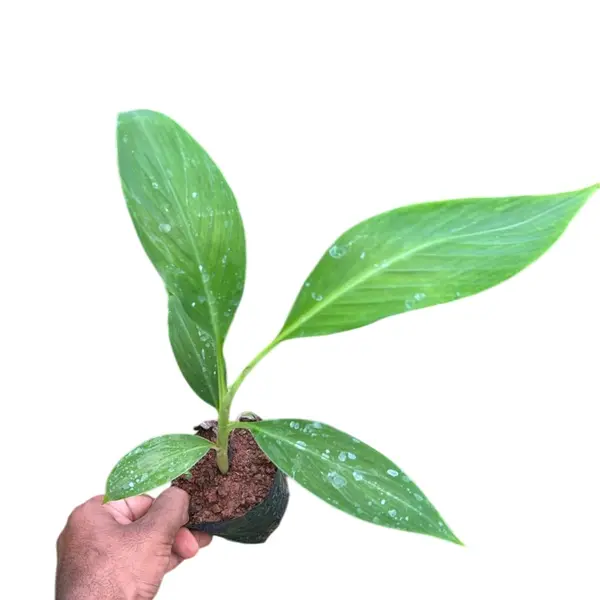
Theni Nendran Banana
Original price was: ₹399.00.₹175.00Current price is: ₹175.00.
Selling Size : Single Plant | Pot Included | Secure Packing
The Theni Nendran Banana, one of South India’s most famous banana varieties, is cherished for its thick flesh, rich aroma, and exceptional sweetness. Grown widely in the Theni district of Tamil Nadu, this variety is known for its vigorous growth, high yield, and strong adaptability to hot tropical climates. Whether you are a home grower or a small farmer, providing the right care will help your Theni Nendran banana plant thrive and produce premium-quality fruits. Below is a complete care guide covering soil, water, fertilizer, pruning, sunlight, pests, and maintenance.
Theni Nendran Banana Plant – Complete Care Guide :
1. Ideal Climate & Sunlight Needs
Theni Nendran loves hot, humid, tropical weather. It thrives best in temperatures between 25°C to 35°C, but it can survive brief periods of higher heat if watered well. Ensure the plant receives at least 6–8 hours of direct sunlight daily. Morning sunlight is most beneficial for faster leaf development and strong pseudostem formation. If you are growing it in a slightly cooler area, choose the warmest spot in your garden and protect young plants from cold winds.
2. Soil Requirements
Rich soil is essential for growing premium-quality Nendran bananas. The ideal soil should be:
-
Deep and well-draining
-
Loamy or sandy-loam
-
Rich in organic matter
-
pH between 6.0 and 7.5
Before planting, dig a pit of 2×2×2 ft and fill it with a mix of:
-
50% red soil
-
25% well-decomposed cow dung or compost
-
25% sand or cocopeat
Avoid clayey soils that hold too much water, as this can cause root rot and slow growth.
3. Planting & Spacing
For healthy growth and maximum yield:
-
Keep 6–7 ft spacing between plants.
-
Plant the sucker or tissue culture plant slightly deeper than the soil line.
-
Press the soil firmly around the base to avoid air pockets.
-
Mulch with dry leaves or coconut husk to retain moisture.
In windy regions, provide temporary support to prevent the plant from bending.
4. Watering Requirements
Theni Nendran bananas need consistent and deep watering throughout their growth. Their roots spread wide and require moisture at all levels.
Watering tips:
-
Water every 2–3 days during summer.
-
Reduce to twice a week during cooler months.
-
Ensure the soil remains moist but never waterlogged.
-
Drip irrigation or basin irrigation gives the best results.
Adequate watering during the fruiting stage ensures bigger, sweeter bananas.
5. Fertilizer Schedule
Nendran is a heavy feeder. A proper nutrient schedule improves plant health, stem thickness, and fruit size.
Monthly Feeding Plan
-
Organic manure: 1–2 kg compost every month
-
NPK (recommended):
-
At 2nd and 4th month: NPK 19-19-19 foliar spray
-
At 3rd and 5th month: NPK 17-17-17 soil application
-
-
Micronutrients:
-
Banana special micronutrient mix once every 30 days
-
Magnesium sulphate for greener, larger leaves
-
During fruiting
-
Add potassium-rich fertilizers (MOP or 0-0-50)
-
Use banana bunch booster sprays for uniform fruiting
6. Pruning & Maintenance
-
Remove dried or damaged leaves regularly.
-
Allow only one main plant + one follower sucker. Remove all other suckers.
-
Keep the surrounding soil weed-free.
-
Add mulch to maintain moisture and prevent soil heating.
Tie the plant gently if strong winds are common.
7. Flowering & Fruiting
Theni Nendran usually flowers in 8–10 months, depending on care and climate. After flowering:
-
Support the bunch with a bamboo stick.
-
Remove the male flower (banana heart) 7–10 days after the last hand forms.
-
Cover the bunch with a blue or white banana cover for protection from birds and insects.
Harvest after 90–120 days of flowering, when the fruits are plump and the angles turn round.
8. Common Pests & Diseases
Pests
-
Banana stem borer
-
Aphids
-
Thrips
-
Mealybugs
Use neem oil spray (once every 10–14 days) to prevent infestations.
Diseases
-
Panama wilt
-
Leaf spot
-
Bunchy top virus
Ensure good drainage, clean planting material, and proper spacing to avoid these issues.
9. Harvesting
Harvest when:
-
The bananas are full-sized and rounded
-
The skin turns light green
-
One or two fruits show slight yellowing
Cut the whole bunch with a clean knife and store in shade for natural ripening.
Related products
-
Philodendron Xanadu
Original price was: ₹450.00.₹199.00Current price is: ₹199.00.Add to cartSelling size:Well rooted plant | 2.5″ Pot Included | Secure Packing The Philodendron Xanadu, now officially classified as Thaumatophyllum xanadu, is a fantastic and relatively easy-to-care-for houseplant. It’s known for its compact, bushy growth habit and deeply lobed, glossy green leaves that give it a sophisticated, tropical look. Here is a complete guide to caring …
-
Tillandsia Stricta (Air plant)
Original price was: ₹400.00.₹199.00Current price is: ₹199.00.Add to cartSelling size: Single plant | Secure Packing The Tillandsia Stricta (Air plant) is one of the most popular and adaptable species of air plants, known for its soft, green-silver foliage and beautiful blooms. Like all air plants, it is epiphytic, meaning it absorbs all its water and nutrients through its leaves from the air, not …
-
Pilea involucrata ‘Norfolk’ – Friendship Plant
Original price was: ₹450.00.₹199.00Current price is: ₹199.00.Add to cartSize: Single Plant | 2.5″ Pot Included | Free Shipping The Pilea involucrata ‘Norfolk’, commonly known as the Friendship Plant, is a delightful houseplant celebrated for its unique, velvety, quilted foliage. The leaves have a rich texture and a beautiful color palette, with deep green and bronze tones on the upper surface and a reddish-purple …
-
Wandering Jew Plant
Original price was: ₹305.00.₹149.00Current price is: ₹149.00.Add to cartSelling size: This plant comes in a 2.5″ Square pot The Wandering Jew Plant, also known as the Tradescantia! They’re such vibrant and easy-to-love plants. To keep yours thriving, here’s a rundown of Wandering Jew Plant care needs: Light: They absolutely love bright, indirect sunlight. Think of a spot near an east- or west-facing window …
-
Golden Pothos
Original price was: ₹355.00.₹99.00Current price is: ₹99.00.Add to cartSelling size : Well rooted plant | 2.5″ pot included The Golden Pothos (Epipremnum aureum), also known as Devil’s Ivy, is one of the most popular and easiest houseplants to care for, making it an excellent choice for beginners. It’s a vining plant with heart-shaped leaves that are a vibrant green, often with splashes or …
-
Calathiya Rattlesnake Plant
Price range: ₹125.00 through ₹549.00Select options This product has multiple variants. The options may be chosen on the product pageSelling size: Please Choose | Secure Packing | 2.5″-4″ Pot Included Calathiya rattlesnake is a plant easy to care for. However, there are a few measures and precautions you need to take to grow and maintain yours. Here’s a comprehensive guide for rattlesnake plant : Light Calathea Lancifolia prefers bright, indirect light. Like most variegated …
-
Chlorophytum Spider Live Plant
Original price was: ₹249.00.₹99.00Current price is: ₹99.00.Add to cartSelling size: Well rooted Single plant | 2.5″ Pot included Chlorophytum Spider, also the Spider Plant is an impressive houseplant which is the perfect plant for any beginner. A NASA certified air purifier, its long, green foliage with white variegations look good in both hanging planters and as desktop setups. In favourable conditions, it blooms …
-
Columbian Peperomia (Galaxy pepperomia)
Original price was: ₹345.00.₹183.65Current price is: ₹183.65.Read moreSelling size:Well rooted plant in a jiffy bag The Columbian Peperomia (Peperomia metallica var. columbiana) is a visually striking and relatively low-maintenance houseplant. It is also sometimes sold as “Galaxy Peperomia,” a name that hints at its unique foliage. This plant is known for its beautiful, semi-succulent leaves that have a dark green or bronze-purple …





 If you need any assistance, I'm always here. Have you found what you were looking for?