
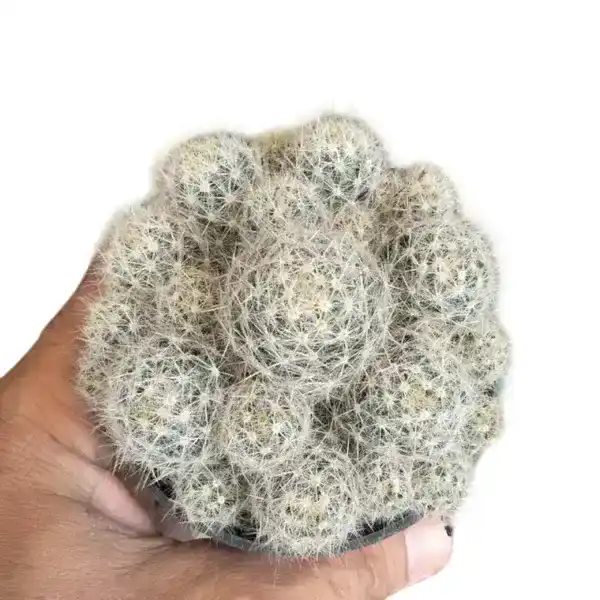
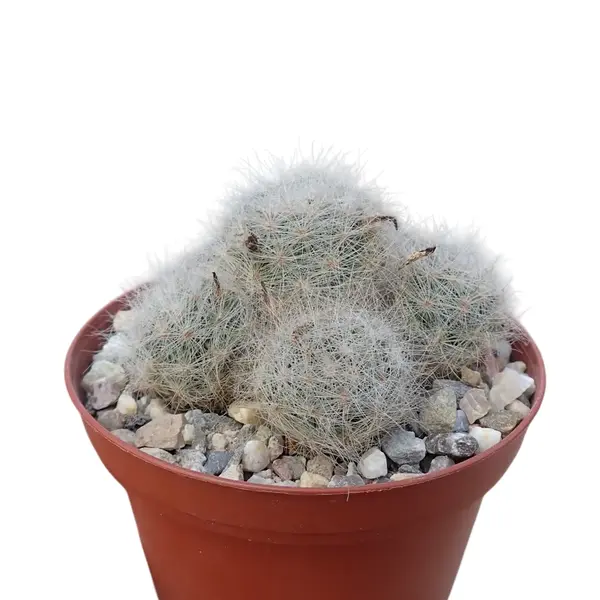
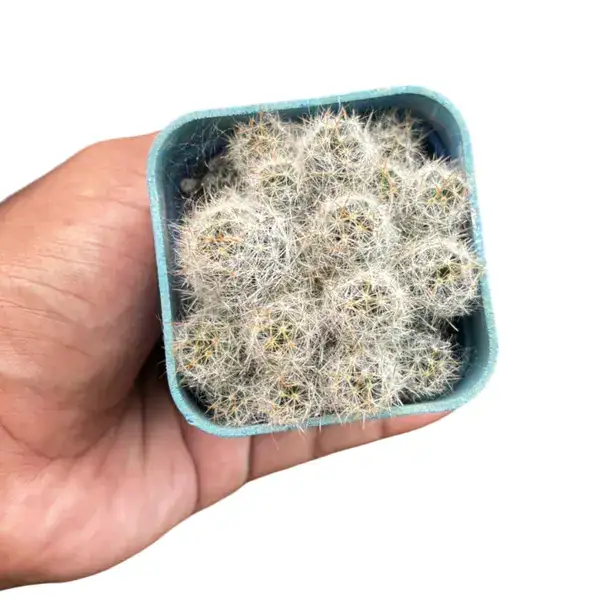
Mammilaria Prolifera
Original price was: ₹899.00.₹149.00Current price is: ₹149.00.
Selling Size : Single Plant | Pot Included | Secure Packing
The Mammillaria prolifera, also known as the Texas Nipple Cactus, is a popular, easy-to-care-for, clustering cactus. Its care is typical of many desert cacti, prioritizing drainage and sun.
Here is a breakdown of its key care requirements Mammilaria Prolifera :
1. Light
- Requirement: Bright light is essential for healthy, compact growth and abundant flowering.
- Outdoors: Prefers full sun but may benefit from some afternoon shade in extremely hot climates to prevent sunburn.
- Indoors: Place it in the brightest spot possible, such as a south-facing or east-facing window, where it can receive several hours of direct sun. Insufficient light will cause it to stretch and lose its shape.
2. Watering
- Rule of Thumb: Water thoroughly but only when the soil is completely dry. Overwatering is the biggest risk and leads to root rot.
- Growing Season (Spring & Summer): Water every 2-3 weeks, or as soon as the soil has been dry for a few days. Water deeply until it drains out the bottom.
- Dormancy (Winter): Reduce watering significantly or stop altogether, especially in cooler temperatures. The plant needs a dry rest period to encourage flowering in the spring.
3. Soil and Potting
- Soil: Use a very porous, well-draining cactus or succulent potting mix. This is crucial. A mix of potting soil, coarse sand, perlite, or pumice works well.
- Pot: Must have a drainage hole. Clay pots are often recommended because they wick away excess moisture faster than plastic.
- Repotting: Repot every 2-3 years, or when the cluster of offsets is completely filling the pot. Use a slightly larger pot than the current one.
4. Temperature and Climate
- Warmth: Thrives in warm temperatures during the growing season (ideally to or to ).
- Cold/Frost: It is frost sensitive and should be protected from freezing temperatures. If grown outdoors, bring it in before a frost.
5. Fertilizing
- When: Fertilize sparingly, only during the active growing season (spring and summer).
- What: Use a balanced, water-soluble cactus fertilizer diluted to half strength, applying it once every month or two. Avoid fertilizing in fall and winter.
This cactus is known for its freely clustering nature, creating dense clumps, and its small, creamy-yellow to pink flowers which are followed by bright red, club-shaped fruits.
You must be logged in to post a review.
Related products
-
Philodendron Xanadu
Original price was: ₹450.00.₹199.00Current price is: ₹199.00.Add to cartSelling size:Well rooted plant | 2.5″ Pot Included | Secure Packing The Philodendron Xanadu, now officially classified as Thaumatophyllum xanadu, is a fantastic and relatively easy-to-care-for houseplant. It’s known for its compact, bushy growth habit and deeply lobed, glossy green leaves that give it a sophisticated, tropical look. Here is a complete guide to caring …
-
Dischidia Oiantha plant
Price range: ₹99.00 through ₹599.00Select options This product has multiple variants. The options may be chosen on the product pagePlant Size: Single plant | Secure Packing The Dischidia oiantha, often referred to as a “Hoya cousin,” is a charming, easy-to-care-for epiphyte with trailing vines and small, oval, succulent-like leaves. It’s a great choice for hanging baskets or for adding a touch of whimsy to a shelf. Here is a comprehensive guide to caring for …
-
Chlorophytum Spider Live Plant
Original price was: ₹249.00.₹99.00Current price is: ₹99.00.Add to cartSelling size: Well rooted Single plant | 2.5″ Pot included Chlorophytum Spider, also the Spider Plant is an impressive houseplant which is the perfect plant for any beginner. A NASA certified air purifier, its long, green foliage with white variegations look good in both hanging planters and as desktop setups. In favourable conditions, it blooms …
-
Calathiya Rattlesnake Plant
Price range: ₹125.00 through ₹549.00Select options This product has multiple variants. The options may be chosen on the product pageSelling size: Please Choose | Secure Packing | 2.5″-4″ Pot Included Calathiya rattlesnake is a plant easy to care for. However, there are a few measures and precautions you need to take to grow and maintain yours. Here’s a comprehensive guide for rattlesnake plant : Light Calathea Lancifolia prefers bright, indirect light. Like most variegated …
-
Golden Sedum Plant
Original price was: ₹549.00.₹349.00Current price is: ₹349.00.Add to cartSelling size: Well rooted plan | 2.5″ pot included The Golden Sedum (Sedum adolphii) is a popular succulent known for its bright, fleshy, evergreen leaves that can take on a beautiful golden-yellow or even reddish-pink tint in bright sun. It has a trailing or spreading growth habit, making it a great choice for hanging baskets, …
-
Pilea involucrata ‘Norfolk’ – Friendship Plant
Original price was: ₹450.00.₹199.00Current price is: ₹199.00.Add to cartSize: Single Plant | 2.5″ Pot Included | Free Shipping The Pilea involucrata ‘Norfolk’, commonly known as the Friendship Plant, is a delightful houseplant celebrated for its unique, velvety, quilted foliage. The leaves have a rich texture and a beautiful color palette, with deep green and bronze tones on the upper surface and a reddish-purple …
-
Philodendron Mican plant
Original price was: ₹650.00.₹99.00Current price is: ₹99.00.Add to cartSelling size: A well rooted plant | 2.5″ Pot Included The Philodendron Micans (Philodendron hederaceum ‘Micans’), also known as the Velvet-Leaf Philodendron, is a popular, easy-care trailing or climbing houseplant prized for its unique, velvety, heart-shaped leaves that emerge a beautiful chartreuse/pink and mature to a deep, iridescent, bronze-green with hints of purple. Here is …
-
Philodendron Burle Marx Plant
Original price was: ₹485.00.₹149.00Current price is: ₹149.00.Add to cartSelling size: Single plant | Pot Included | Secure Packing The Philodendron Burle Marx is a fantastic and relatively easy-to-care-for plant, known for its glossy, spade-shaped leaves and dense, clumping growth. It’s often recommended as a great choice for beginner houseplant owners. Here is a comprehensive care guide for your Philodendron Burle Marx: Light …







 If you need any assistance, I'm always here. Have you found what you were looking for?
Reviews
There are no reviews yet.