
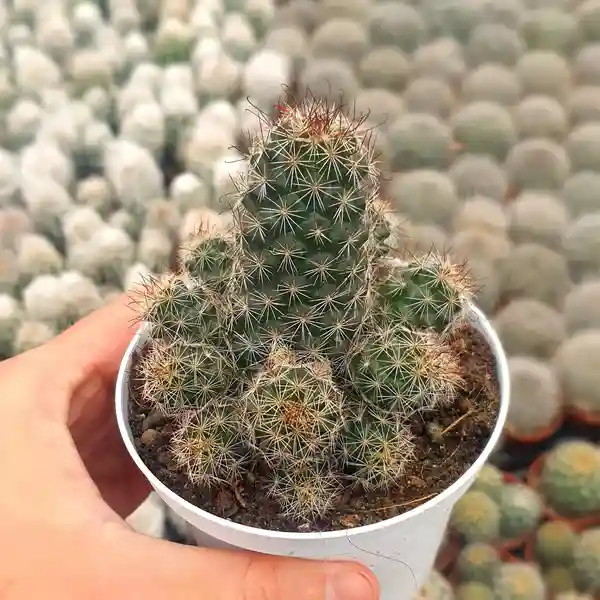
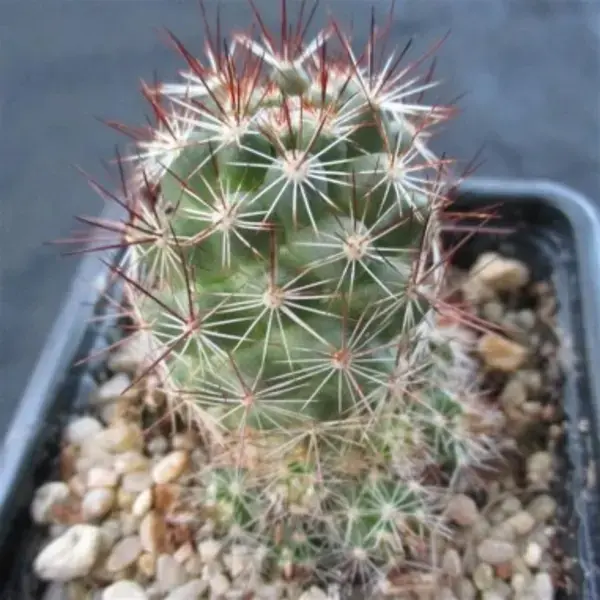

Mammillaria Occidentalis
Original price was: ₹849.00.₹475.00Current price is: ₹475.00.
Selling Size : Single Plant | Pot Included | Secure Packing
The Mammillaria occidentalis is a species of Pincushion Cactus, generally considered low-maintenance and easy to care for, typical of the Mammillaria genus. The key to its health is replicating its native arid environment with plenty of light and minimal water.
Here is a comprehensive guide to caring for your Mammillaria occidentalis :
1. Light
- Requirement: Bright light to full sun is ideal.
- Best Placement: Place it in a spot where it receives at least 4 to 6 hours of direct sunlight daily. A south or west-facing window is usually best indoors.
- Tip: While they love sun, be cautious of very intense, harsh midday sun, especially in hot climates or if suddenly moved from a shaded spot, as this can sometimes cause the plant to scorch or burn. They may benefit from light afternoon shade in extreme heat.
- Insufficient Light: Lack of adequate light will cause the cactus to stretch and become thin (etiolation), which is irreversible.
2. Watering
- Rule: The “soak and dry” method is essential. Overwatering is the number one cause of death for Mammillaria cacti.
- Growing Season (Spring and Summer): Water thoroughly only when the soil has completely dried out. Depending on your climate and pot size, this might be every 1 to 3 weeks.
- Dormancy (Fall and Winter): Significantly reduce or stop watering altogether. The plant is dormant and requires very little moisture. A light watering once a month or less is generally sufficient, only to prevent severe shriveling.
- Method: Always ensure the pot has drainage holes, and discard any excess water from the saucer.
3. Soil and Potting
- Soil Mix: Use a well-draining cactus and succulent mix. You can enhance drainage by adding perlite, coarse sand, or pumice to a standard potting mix (a 50/50 blend is often recommended).
- Potting: Use a pot with drainage holes. Unglazed terracotta pots are excellent because they are porous and allow the soil to dry out faster.
- Repotting: This is a slow-growing cactus and generally does not need frequent repotting. Repot only when it has completely outgrown its container or when the offsets create overcrowding, typically every 2-3 years. Repotting is best done in the spring.
4. Temperature and Humidity
- Growing Season Temperature: Thrives in warm temperatures between 70°F to 85°F (21°C to 30°C).
- Winter/Dormancy Temperature: To encourage flowering, the plant benefits from a cool winter rest period with temperatures between 45°F to 55°F (7°C to 13°C).
- Cold Tolerance: It is generally not frost-tolerant. Protect it from freezing temperatures and cold drafts.
- Humidity: Prefers low humidity levels, mimicking its arid native environment. Avoid placing it in high-humidity areas like a bathroom or kitchen.
5. Fertilizing
- Frequency: Fertilize sparingly during the active growing season (spring and summer).
- Type: Use a diluted, low-nitrogen fertilizer formulated for cacti and succulents, applied at half the recommended strength.
- Dormancy: Do not fertilize during the fall and winter.
6. Flowering
- Mammillaria species are known for producing a crown of beautiful, funnel-shaped flowers, usually in pink, white, or yellow, that form a ring around the top of the stem.
- To encourage blooming, ensure the plant receives sufficient sunlight, adequate water during the growing season, and a cool, dry rest period in winter.
7. Pests and Problems Mammillaria Occidentalis
- The most common pests are Mealybugs and Spider Mites, which love to hide in the dense spines or crevices, especially where the plant clumps.
- Treatment:
- For mealybugs, use a cotton swab dipped in rubbing alcohol to gently dab and remove them.
- For mites, use a diluted neem oil solution or insecticidal soap.
- Ensure good airflow to help prevent pests and fungal issues.
You must be logged in to post a review.
Related products
-
Philodendron Moonshine
Original price was: ₹1,250.00.₹249.00Current price is: ₹249.00.Add to cartSelling size: Single plant | Pot included | Secure Packing The Philodendron Moonshine (often also called ‘Moonlight’) is a popular hybrid known for its vibrant, almost glowing, chartreuse-colored leaves. It has an upright, self-heading growth habit, so unlike many vining philodendrons, it doesn’t need a trellis or pole. Here is a comprehensive guide to caring …
-
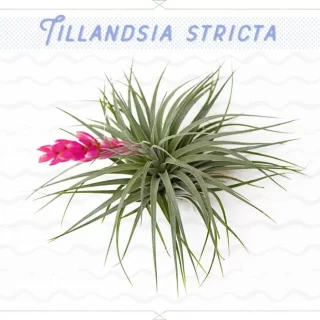
Tillandsia Stricta (Air plant)
Original price was: ₹400.00.₹199.00Current price is: ₹199.00.Add to cartSelling size: Single plant | Secure Packing The Tillandsia Stricta (Air plant) is one of the most popular and adaptable species of air plants, known for its soft, green-silver foliage and beautiful blooms. Like all air plants, it is epiphytic, meaning it absorbs all its water and nutrients through its leaves from the air, not …
-
String of Bananas
Original price was: ₹450.00.₹249.00Current price is: ₹249.00.Add to cartSelling size: Mentioned in last Picture | Secure Packing The String of Bananas (Curio radicans or Senecio radicans) is a charming trailing succulent known for its long, cascading stems covered in plump, banana-shaped leaves. It’s a popular choice for hanging baskets and is generally easy to care for, especially for those who are new …
-
String Of Nickels (Dischidia nummularia)
Price range: ₹99.00 through ₹599.00Select options This product has multiple variants. The options may be chosen on the product pageSelling size: Well rooted plant in a Jiffy bag The Dischidia nummularia, commonly known as the String of Nickels or Button Orchid, is a delightful and easy-to-care-for trailing epiphyte. Its common name comes from its small, round, coin-shaped leaves that densely cover its long, slender stems. As a relative of the Hoya, it shares a similar …
-
Pellionia repens var. pulchra
Original price was: ₹325.00.₹149.00Current price is: ₹149.00.Add to cartSelling size: Well rooted plant in a jiffy bag | Secure Packing The Pellionia repens var. pulchra, often called the Trailing Watermelon Begonia, is a beautiful and easy-to-care-for trailing plant. Its common name comes from the striking, patterned leaves that resemble the rind of a watermelon. Despite the name, it is not a true begonia …
-
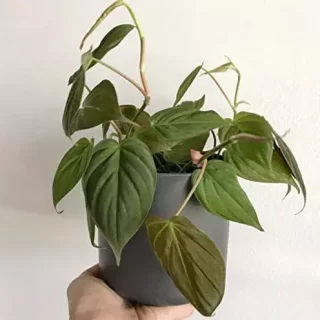
Philodendron Mican plant
Original price was: ₹650.00.₹99.00Current price is: ₹99.00.Add to cartSelling size: A well rooted plant | 2.5″ Pot Included The Philodendron Micans (Philodendron hederaceum ‘Micans’), also known as the Velvet-Leaf Philodendron, is a popular, easy-care trailing or climbing houseplant prized for its unique, velvety, heart-shaped leaves that emerge a beautiful chartreuse/pink and mature to a deep, iridescent, bronze-green with hints of purple. Here is …






 If you need any assistance, I'm always here. Have you found what you were looking for?
Reviews
There are no reviews yet.