
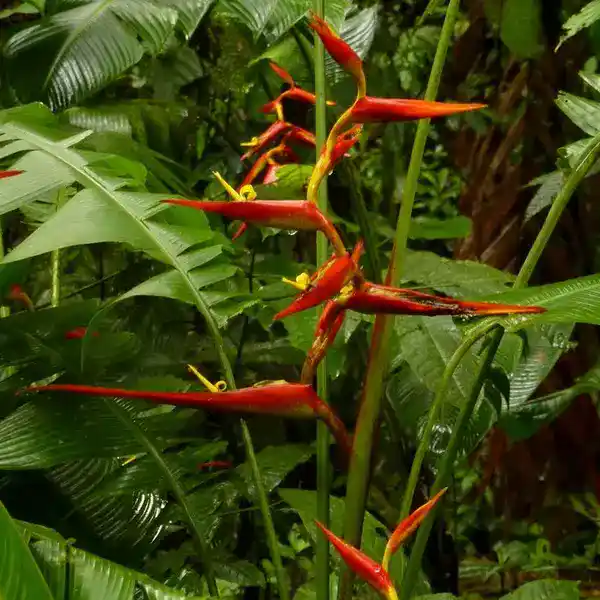
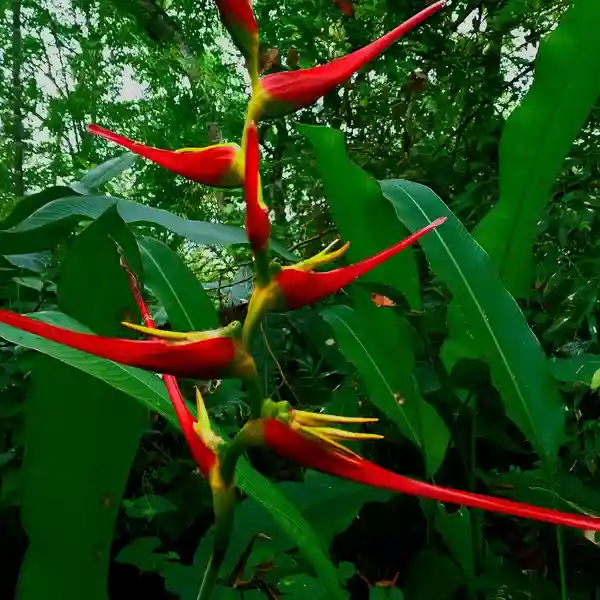
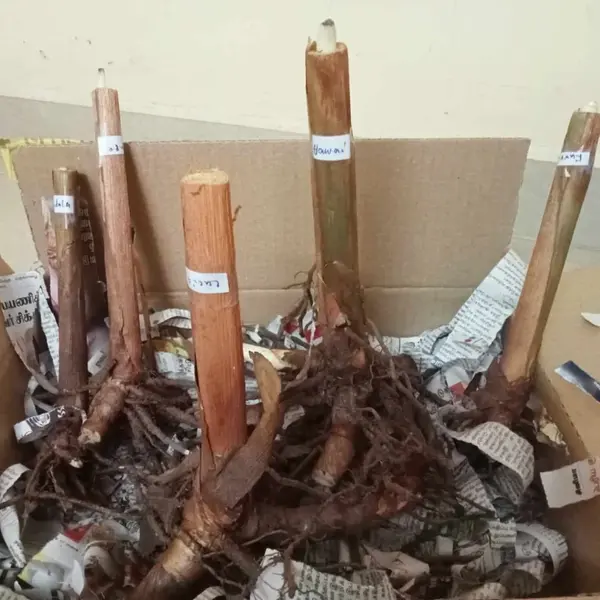
Heliconia sp Heliconiaceae
Original price was: ₹899.00.₹599.00Current price is: ₹599.00.
1 in stock
Selling Part : A single Rhizsome with Tag | Secure packing | Free Shipping
Heliconia sp Heliconiaceae (Heliconia spp.,family Heliconiaceae) are tropical herbaceous plants renowned for their bright, showy flower structures called bracts. They are often called Lobster-Claws, Parrot Flowers, or False Bird-of-Paradise.
Here is a comprehensive care guide for Heliconia sp Heliconiaceae :
1. Light Requirements
- Outdoors: Most species prefer Full Sun to Partial Shade.
- Full sun encourages the best flowering, but in very hot, dry climates, afternoon shade is beneficial to prevent leaf scorching.
- Ensure the location is sheltered from strong winds, as their large, banana-like leaves can easily become tattered.
- Indoors (Container Plants): Requires bright, indirect light near a sunny window. Smaller, dwarf varieties like $\textit{Heliconia psittacorum}$ are best for indoor growing.
2. Water and Humidity
- Watering: Heliconias are thirsty plants and are not drought-tolerant.
- Keep the soil consistently moist but not soggy. Water regularly, especially during the warm, dry growing season.
- Reduce watering frequency in winter, but do not let the soil dry out completely.
- Poor drainage and overwatering can lead to root rot (a common problem), so excellent drainage is critical.
- Humidity: They thrive in high humidity environments.
- Indoors, misting regularly or placing the pot on a pebble tray with water can help increase ambient humidity.
3. Soil and Planting
- Soil Type: Prefers fertile, well-draining, loamy soil that is rich in organic matter (compost or manure).
- pH: Slightly acidic to neutral soil (pH 5.5 to 7.0) is preferred. Alkaline soils can lead to iron deficiency (yellowing leaves).
- Planting: They grow from underground structures called rhizomes. Plant the rhizome horizontally, just a couple of inches deep.
- Mulch: Apply a thick layer of organic mulch (like bark or compost) around the base to help retain moisture and suppress weeds.
4. Temperature and Hardiness
- Cooler Climates: In non-tropical zones, they must be grown in pots and moved to a heated greenhouse or indoors for the winter.
5. Fertilizing
- Heavy Feeders: Heliconias are fast-growing and require regular feeding for prolific blooms.
- Schedule: Fertilize regularly during the growing season (spring through fall).
- Use a slow-release, balanced granular fertilizer every 3-4 months.
- Supplement with a liquid balanced fertilizer (e.g., NPK 19-19-19) monthly, or a high-Potassium/Phosphorus blend during peak bloom season.
- Magnesium is an important trace element for maintaining bright flower color and growth.
- Reduce in Winter: Stop fertilizing during the dormant winter period.
6. Pruning and Maintenance
- After Flowering: Each stem (pseudostem) flowers only once. After a stem has finished flowering, cut the entire stem down to the base to:
- Encourage new shoots and more blooms.
- Improve air circulation.
- Tidiness: Regularly remove any old, dead, or yellowing leaves.
- Containment: Heliconias spread via rhizomes and can become aggressive. Use root barriers or grow them in large containers or raised beds to control their spread.
7. Pests and Diseases
- Pests: Look out for common tropical pests such as aphids, mealybugs, scale, and red spider mites. Treat with insecticidal soap or neem oil.
- Diseases: The primary issue is root rot caused by poor drainage and overwatering. Ensure good soil aeration to prevent fungal problems.
You must be logged in to post a review.
Related products
-
Philodendron Mexicanum
Original price was: ₹1,090.00.₹749.00Current price is: ₹749.00.Add to cartSelling size: Single Plant | Pot included The Philodendron mexicanum is a beautiful vining plant known for its long, arrow-shaped leaves with a striking deep maroon or reddish underside. As its name suggests, it is native to the tropical forests of Mexico. It’s a relatively easy-to-care-for plant, especially for those familiar with other vining philodendrons. …
-
Pilea Repens, Black Panamiga
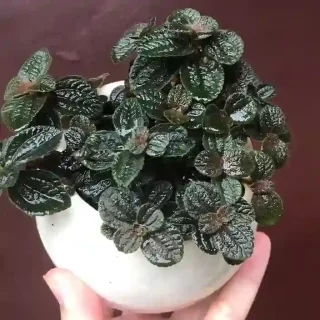
Original price was: ₹280.00.₹149.00Current price is: ₹149.00.Add to cartSize: Single Plant | Jiffy Bag Caring for a Pilea Ripens (also known as Black Panamiga) involves understanding its specific needs to ensure it thrives. Here’s a breakdown of Pilea Repens, Black Panamiga key care aspects: Key Care Points: Light: Pilea repens prefers bright, indirect sunlight. Direct sunlight can scorch its leaves. Rotating the plant …
-
Philodendron Moonshine
Original price was: ₹1,250.00.₹249.00Current price is: ₹249.00.Add to cartSelling size: Single plant | Pot included | Secure Packing The Philodendron Moonshine (often also called ‘Moonlight’) is a popular hybrid known for its vibrant, almost glowing, chartreuse-colored leaves. It has an upright, self-heading growth habit, so unlike many vining philodendrons, it doesn’t need a trellis or pole. Here is a comprehensive guide to caring …
-
Tillandsia Stricta (Air plant)
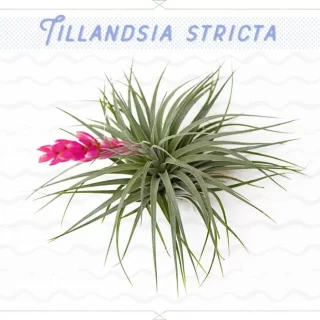
Original price was: ₹400.00.₹199.00Current price is: ₹199.00.Add to cartSelling size: Single plant | Secure Packing The Tillandsia Stricta (Air plant) is one of the most popular and adaptable species of air plants, known for its soft, green-silver foliage and beautiful blooms. Like all air plants, it is epiphytic, meaning it absorbs all its water and nutrients through its leaves from the air, not …
-
String Of Nickels (Dischidia nummularia)
Price range: ₹99.00 through ₹599.00Select options This product has multiple variants. The options may be chosen on the product pageSelling size: Well rooted plant in a Jiffy bag The Dischidia nummularia, commonly known as the String of Nickels or Button Orchid, is a delightful and easy-to-care-for trailing epiphyte. Its common name comes from its small, round, coin-shaped leaves that densely cover its long, slender stems. As a relative of the Hoya, it shares a similar …
-
Philodendron Burle Marx Plant
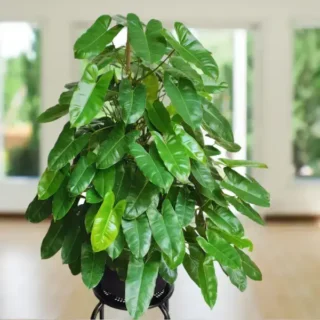
Original price was: ₹485.00.₹149.00Current price is: ₹149.00.Add to cartSelling size: Single plant | Pot Included | Secure Packing The Philodendron Burle Marx is a fantastic and relatively easy-to-care-for plant, known for its glossy, spade-shaped leaves and dense, clumping growth. It’s often recommended as a great choice for beginner houseplant owners. Here is a comprehensive care guide for your Philodendron Burle Marx: Light …
-
Philodendron Mican plant
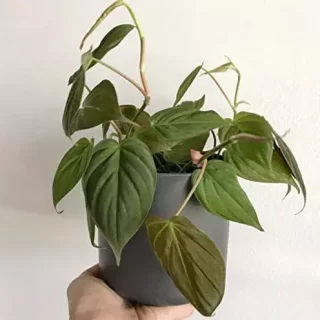
Original price was: ₹650.00.₹99.00Current price is: ₹99.00.Add to cartSelling size: A well rooted plant | 2.5″ Pot Included The Philodendron Micans (Philodendron hederaceum ‘Micans’), also known as the Velvet-Leaf Philodendron, is a popular, easy-care trailing or climbing houseplant prized for its unique, velvety, heart-shaped leaves that emerge a beautiful chartreuse/pink and mature to a deep, iridescent, bronze-green with hints of purple. Here is …
-
Black zz plant, Raven ZZ Plant
Price range: ₹99.00 through ₹499.00Select options This product has multiple variants. The options may be chosen on the product pageSelling size: Please Choose (Single – Bushy) | 2.5″-5” Pot Included | Secure Packing The Black ZZ Plant, or Raven ZZ Plant (Zamioculcas zamiifolia ‘Raven’), is a popular, exceptionally resilient houseplant known for its striking, nearly black foliage. It shares the easy-care nature of the standard green ZZ plant, making it perfect for beginners or …



 If you need any assistance, I'm always here. Have you found what you were looking for?
Reviews
There are no reviews yet.